
Puppy and kittenSeptember 25, 2026· 8 min read
Cat price: pedigree kitten in France (2026)
Cat price in France: how much does a pedigree kitten cost? Pedibase 2026 ranges and advice for comparing breeders.
By Pedibase
Cat price in France: how much does a pedigree kitten cost? Pedibase 2026 ranges and advice for comparing breeders.
By Pedibase
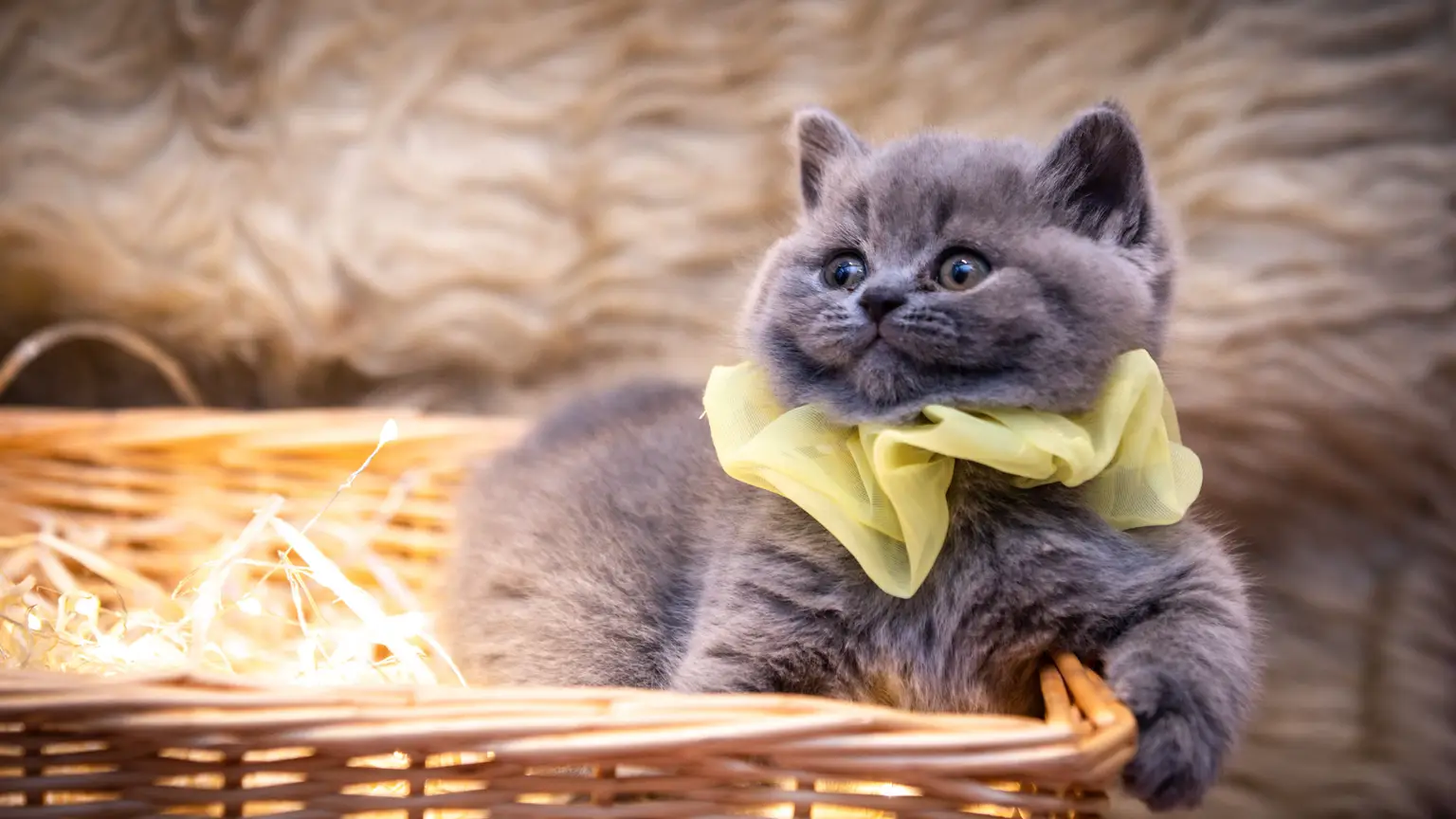
The cat price or purebred kitten price in France is most often between €400 and €2,500, with higher extremes for certain highly sought-after breeds. The ranges below come from prices reported on Pedibase as of 27/09/2026; they help provide a benchmark, not set an “official rate”. An abnormally low kitten price remains a warning sign, not an automatic bargain.
When you search for “how much does a purebred cat cost”, you are almost never comparing the same thing. A kitten handed over with identification, initial vaccinations, health-tested parents and ongoing socialization does not have the same production cost as an animal from an opaque breeding operation. The displayed amount therefore depends on the breed, demand, lineage (pet or show), sought-after patterns or colors and health guarantees.
On Pedibase, each breed profile publishes a price range to help individuals. These amounts do not replace a breeder's quote. They are mainly used to rule out absurd extremes and prepare a realistic budget — also taking inspiration, in terms of spending logic, from the article on the LOF puppy budget, several items of which (identification, initial care, equipment) also apply to kittens.
Indicative list of the breeds most searched for in terms of kitten price, plus a few breeds very common among French breeders. For each breed: reported range, number of breeders listed in France, and life expectancy stated on the profile.
Maine Coon: €450 – €1,700 · 926 breeders in France · 10–15 years
British Shorthair: €400 – €1,800 · 185 breeders · 15–20 years
Bengal: €1,000 – €3,000 · 165 breeders · 10–15 years
Ragdoll: €600 – €2,500 · 189 breeders · 12–17 years
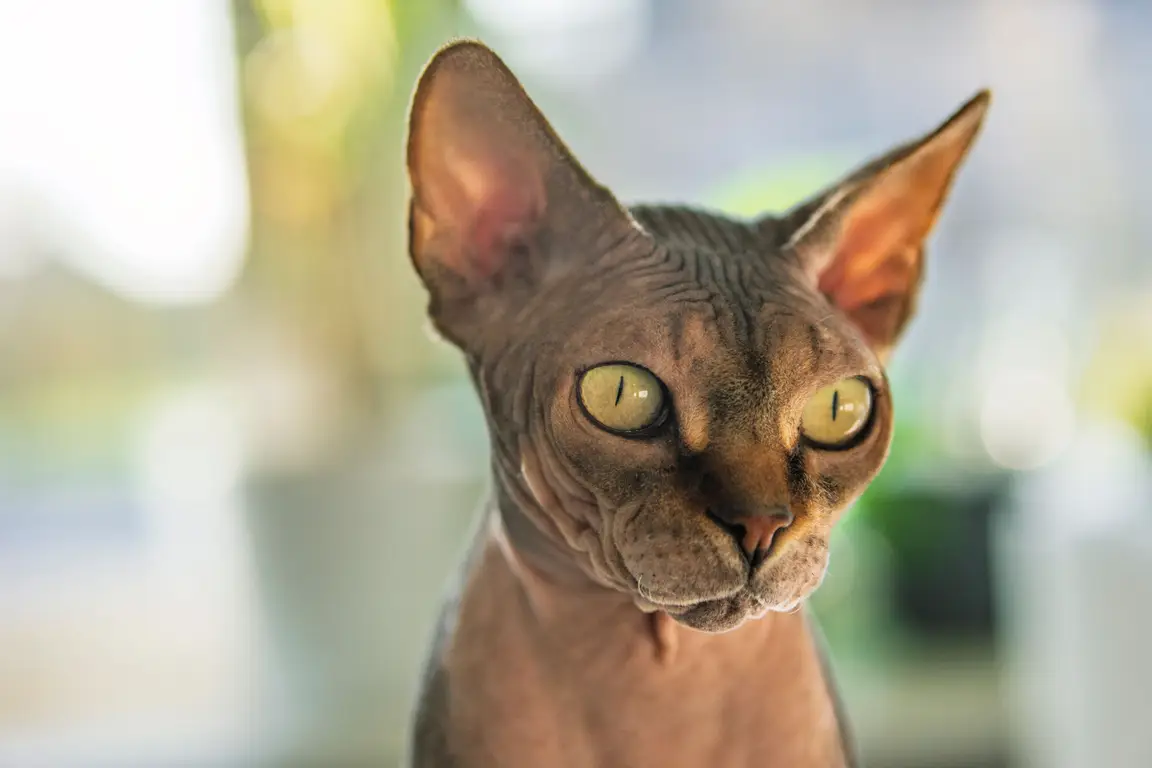
Sphynx: €900 – €3,000 · 53 breeders · 8–14 years
Persian: €1,000 – €2,000 · 198 breeders · 12–17 years
Sacred Birman: €400 – €1,400 · 259 breeders · 14–17 years
Chartreux: €400 – €1,400 · 83 breeders · 15–20 years
Siberian: €800 – €1,600 · 138 breeders · 15–20 years
Norwegian Forest Cat: €400 – €3,000 · 121 breeders · 12–16 years
Exotic: €400 – €2,500 · 49 breeders · 12–15 years
British Longhair: €1,000 – €1,800 · 84 breeders · 12–17 years
Scottish Fold: €400 – €1,500 · 33 breeders · 13–15 years
Devon Rex: €800 – €2,600 · 15 breeders · 12–15 years
Siamese: €600 – €1,200 · 28 breeders · 15–21 years
Savannah: €800 – €4,000 · 20 breeders · 13–20 years
Pedibase data as of 27/09/2026. Prices = ranges reported on breed profiles. Numbers = breeders listed in France. Life expectancy = min/max from the breed profile.
For a more budget-focused view, see the ranking of the cheapest cat breeds.
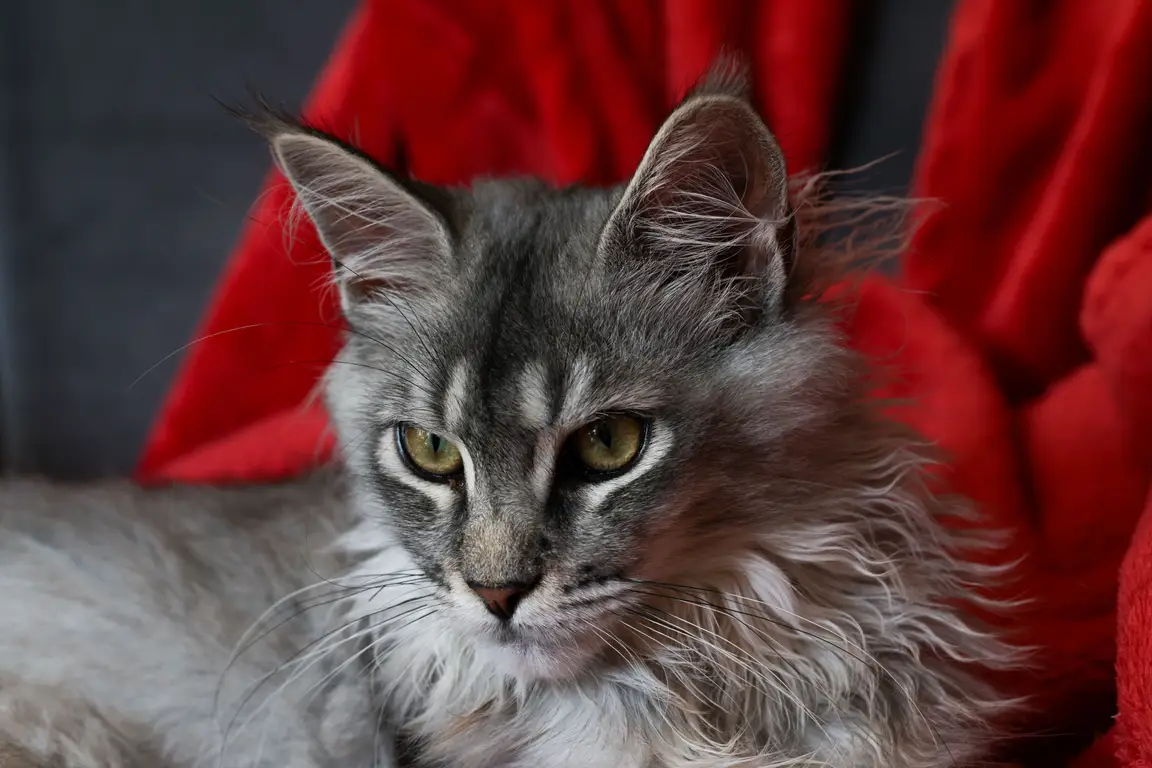
Among the listed breeds, the Savannah has the highest range (up to €4,000). It is followed by the Bengal and the Sphynx (up to €3,000), as well as the Devon Rex and certain lines of Norwegian Forest Cat or Ragdoll.
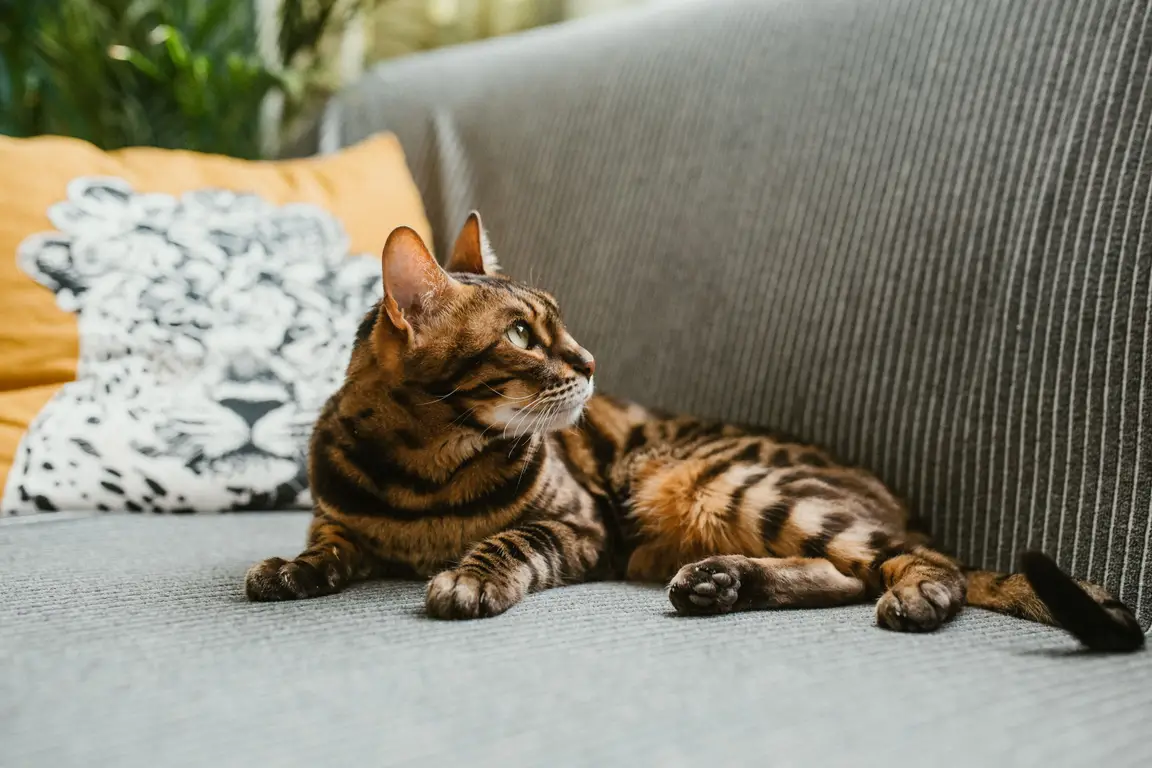
Conversely, the Sacred Birman and the Chartreux often remain in more moderate ranges (up to €1,400). The Siamese and the lower end of the range for the British Shorthair or Maine Coon also offer more affordable entry-level options — without saying anything about the quality of a specific breeding operation.
Useful reminder: a breed that is “cheaper” to buy may cost more afterward (coat care for the Persian, skin care for the Sphynx, feeding a large Maine Coon). The kitten price is only one line in the total budget.
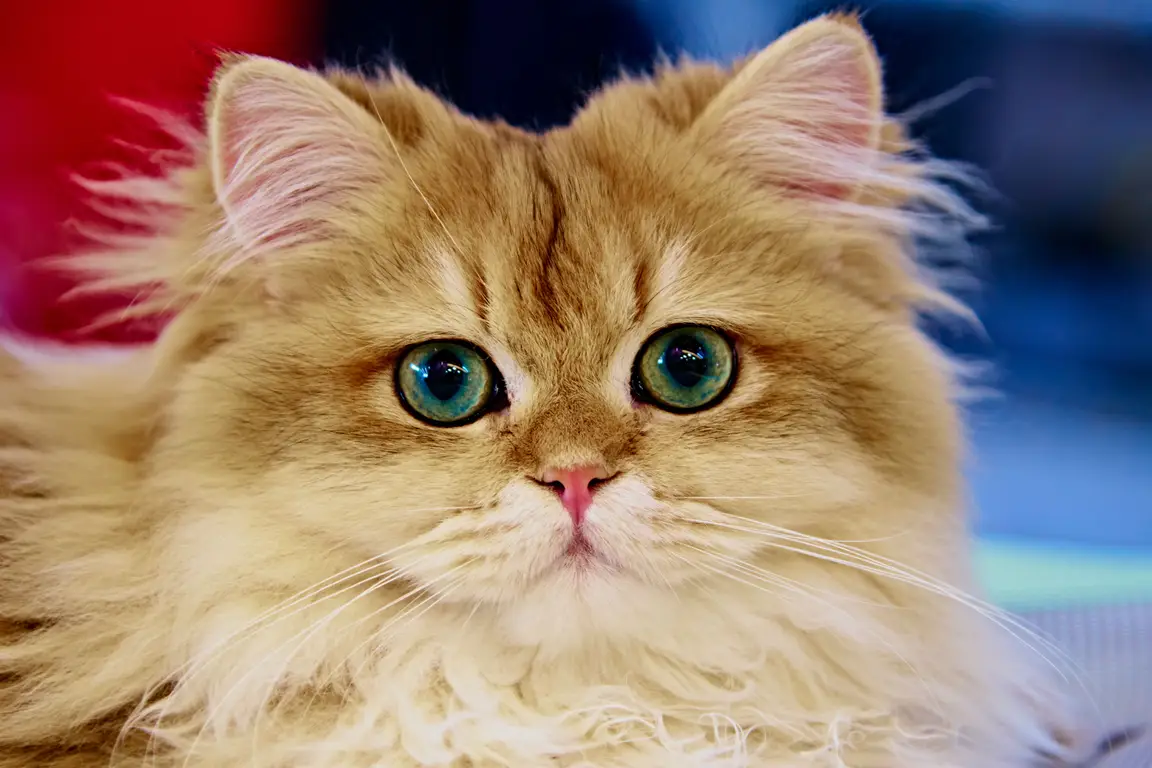
Pedibase profiles list recurring price factors. They do not add up mechanically, but they help explain a quote:
Pedigree and LOOF registration — a kitten intended for showing or breeding often costs more than a pet kitten. See what is LOOF? and how to check a LOF or LOOF breeder.
Health tests for breeding cats — depending on the breed (heart, kidneys, DNA…). These screenings have a cost; they reduce risk, they do not eliminate it. Details in health screenings for purebred cats.
Lineage and conformity to the standard — pet, show, sought-after type. For Ragdolls or Maine Coons, show potential may justify an additional cost; for Bengals, the quality of coat patterns often carries more weight.
Color, pattern and local rarity — a highly sought-after coat or a rare breeder in your region may increase the price. Color alone must never replace health guarantees and socialization.
Reputation and breeding conditions — number of litters, transparency about the parents, possibility of visiting, post-sale follow-up.
For the Maine Coon, Pedibase notably mentions pedigree, parental tests, reputation and show potential. For the Bengal, lineage, patterns and health tests often come up. For the Sphynx, origins, breeding quality and sought-after type appear among the listed factors.
The amount paid to the breeder rarely covers the full first month in your home. Also plan for:
identification already completed or to be finalized, health record, initial vaccine boosters;
transfer certificate and LOOF documents where applicable;
starter equipment (litter tray, cat tree, carrier, bowls);
transition food and a consultation with your veterinarian;
later: sterilization, possible insurance, coat or skin care depending on the breed.
Pedibase breed profiles sometimes detail indicative start-up costs (large-format equipment for a Maine Coon, cat tree and litter for a Bengal or a Ragdoll, etc.). For arriving home, also read bringing home a kitten: the first weeks.
A price below the Pedibase range is not automatically fraudulent, but it calls for specific questions. Recurring warnings on the price profiles point in the same direction:
no identification, unknown parents, breeding visit refused;
kitten separated too early from its mother or poorly socialized;
messaging focused solely on a rare color, a “unique” pattern or a “promotional” price;
full payment before any serious exchange, especially remotely;
no screening results for breeding cats, even though the breed has them.
Pedibase advocates thoughtful purchasing from an identified breeder: see the ethical charter and the guide how to choose a cat breeder. No article, including this one, replaces a visit and your veterinarian's opinion on the kitten's condition.
Place the price within the breed's range (price pages linked above).
List what is included: vaccines, deworming, identification, starter kit, post-adoption follow-up.
Ask for the parents' screening results, appropriate for the breed.
Check the number of breeders available near you — for example Maine Coon breeders, British Shorthair breeders, Bengal breeders, Ragdoll breeders, Sphynx breeders, Persian breeders, Sacred Birman breeders or Norwegian Forest Cat breeders.
Compare at least two breeding operations, without rushing toward the first photo.
If your budget is tight, broaden the list of breeds compatible with your lifestyle (via the which cat breed should I choose test) rather than aiming for the cheapest kitten of a highly sought-after breed. Some blue-eyed breeds, for example, can also be discovered through the article cat breeds with blue eyes — however, aesthetic criteria must never take precedence over health and the seriousness of the breeding operation.
According to Pedibase ranges as of 27/09/2026, most common breeds are between approximately €400 and €2,500. Bengals, Sphynxes, Devon Rexes or Savannahs can go significantly higher depending on lineage. The exact price depends on the breeding operation and what is included.
Often yes, because registration, selection of breeding cats and checks have a cost. This is not an absolute rule: a pet LOOF kitten may remain at the lower end of the range, while an unmonitored kitten presented as “rare” may be overpriced. Clarify what LOOF means for your project (pet, show, breeding).
Demand, relative rarity, breeding complexity and fashion matter more than size. The Maine Coon is very common in France (hundreds of breeders listed), which broadens supply, whereas the Bengal often combines strong demand and closely scrutinized coat criteria.
Ask for identification, exact age, breeding conditions and the parents' documents. Refuse if a visit is impossible or if the answers remain vague. A poorly explained low price is often made up for in veterinary costs.
No. These are reported ranges to help provide a benchmark. Each breeder sets their own price. Consult the breed's price page, then speak directly with the breeding operation.
On the Pedibase hubs for each breed (links above) and through the guide how to choose a cat breeder. Take the time to meet the breeder and, if you have any doubts about the kitten's health, ask a veterinarian for advice.
Explore full listings for the breeds mentioned in this article.

How to house-train a puppy? Outings at the right times, rewards, accidents without punishment, nighttime, training pads and breed-specific guidelines.

Japanese small dog: Shiba Inu, Japanese Spitz, Japanese Spaniel… Origin, price, breeders in France (Pedibase data).
Medium-sized dog breed: Australian Shepherd, Cocker, Beagle, Border Collie… Size, price, breeders in France (Pedibase data).


