
Puppy and kittenOctober 13, 2026· 7 min read
How to house-train a puppy: simple method
How to house-train a puppy? Outings at the right times, rewards, accidents without punishment, nighttime, training pads and breed-specific guidelines.
By Pedibase
How to house-train a puppy? Outings at the right times, rewards, accidents without punishment, nighttime, training pads and breed-specific guidelines.
By Pedibase
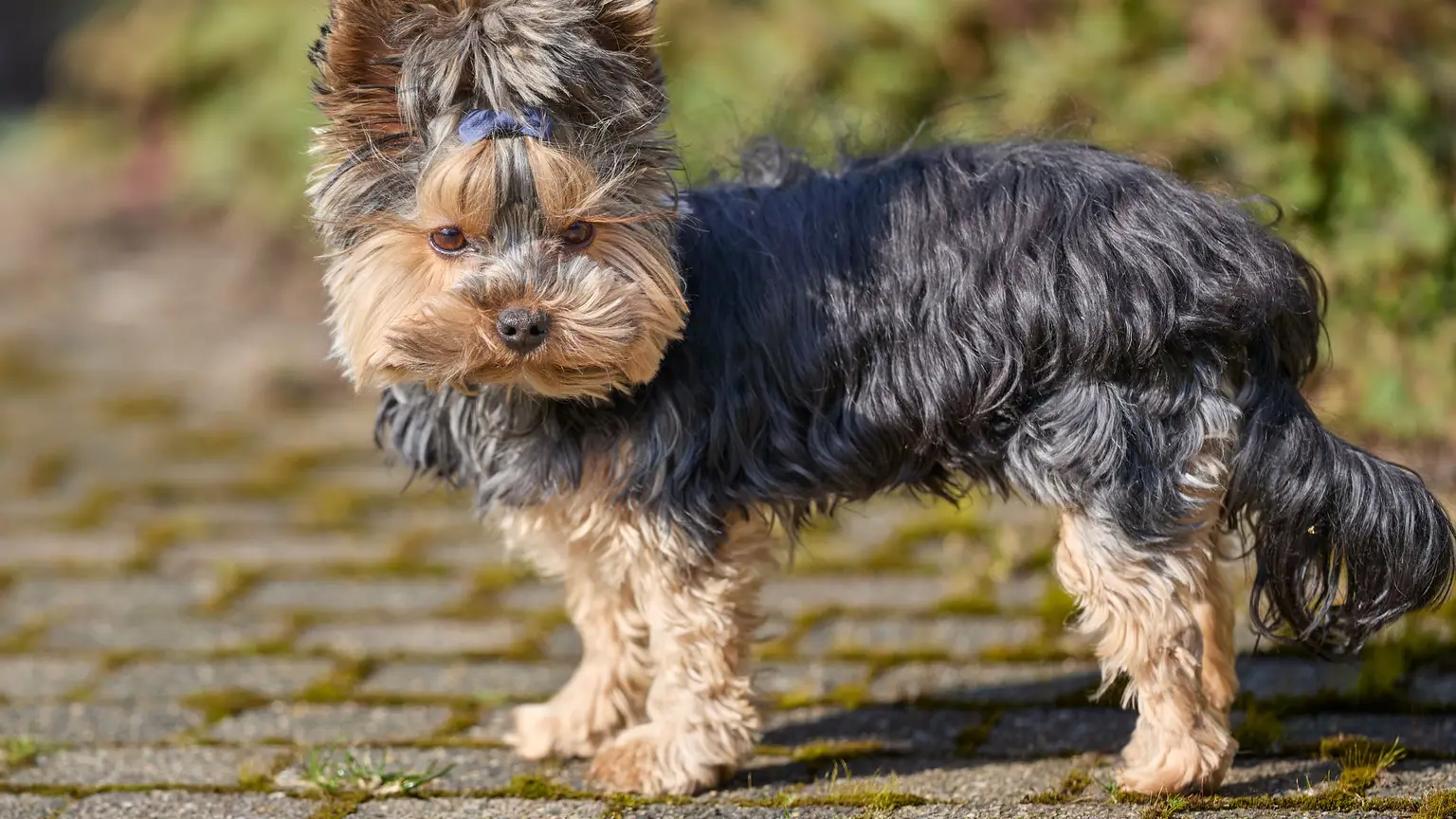
How to house-train a puppy? By taking them out very often, at the times when they need to relieve themselves, and rewarding them immediately when they go outside. Accidents in the house should be cleaned up without scolding. House-training is acquired gradually: think in weeks, sometimes months, not days.
In France, a puppy cannot be transferred before the age of eight weeks (Article L214-8 of the Rural Code). At this age, they still have poor bladder control. They do not “go” indoors to upset you: they simply have not yet learned where to go or how to hold it.
Changing homes adds stress. Even a puppy that was starting to relieve themselves outside at the breeder's may regress during the first few days. This is normal. To prepare well for this period, also read our guide arriving with a puppy: the first weeks.
Even before the first outing, a few choices make everything easier:
Ask the breeder where and how the puppy relieved themselves at their home. A serious breeder will gladly explain it to you: it is a good criterion when you choose a dog breeder or during the breeding facility visit.
This is the heart of the method. A young puppy needs to relieve themselves at predictable times. Take them out systematically:
At first, it is better to take them out too often than not often enough. Stay outside for a few minutes, without playing until they have gone. If nothing happens, go back inside, keep them close to you and try again a little later.
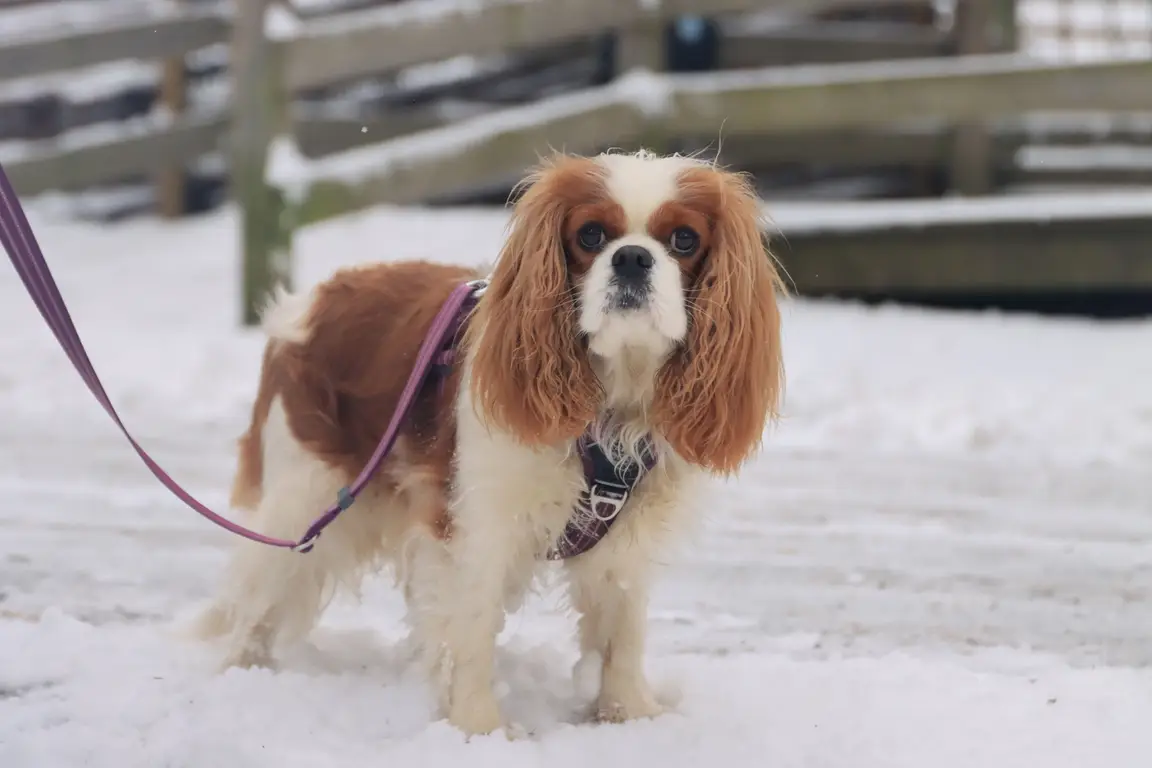
Before vaccinations are complete, ask your veterinarian which places are suitable for outings. The dog and cat vaccination schedule gives you the main stages.
The puppy learns through association. The reward must come during or immediately after they have gone, in the chosen place: a stroke, a cheerful voice, a small treat. Rewarding them when you get back home is too late; they will not make the connection.
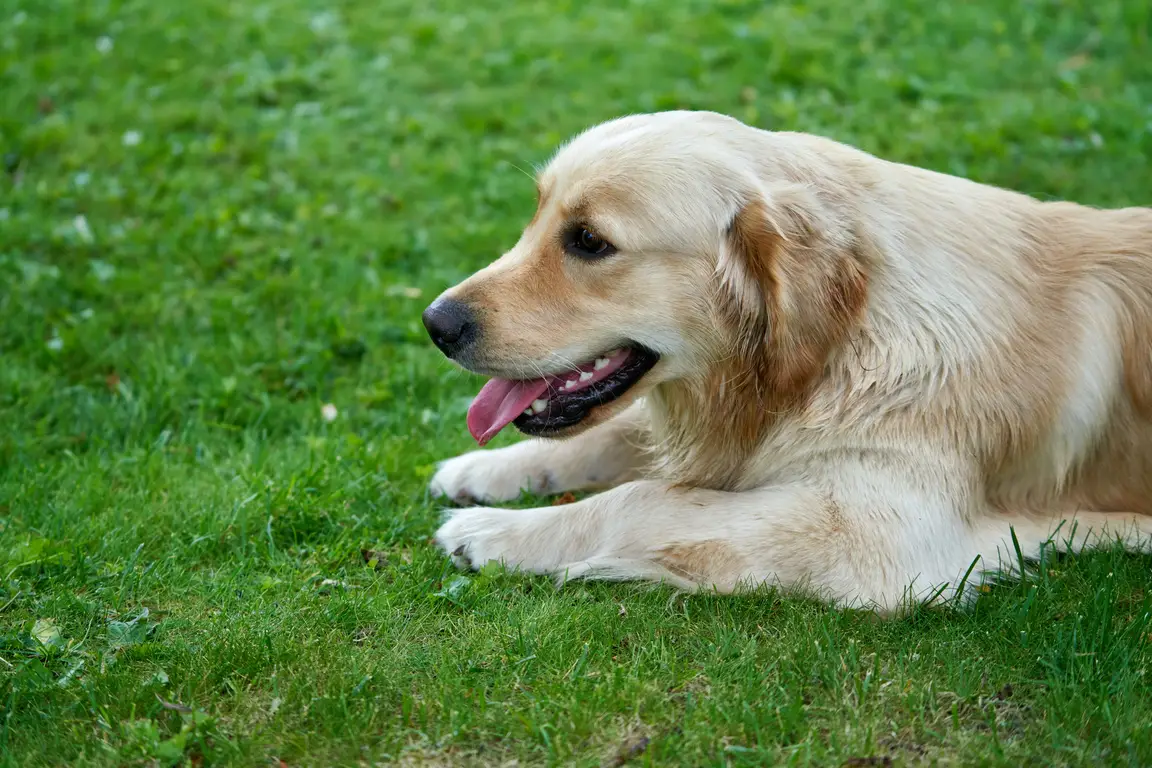
Include these treats in their daily ration. And keep it low-key: too noisy a celebration can interrupt a puppy who had not finished.
Accidents are part of learning. Do not scold them, and never rub their nose in it. A punished puppy does not understand what they are being blamed for: they mainly learn to hide to go, which makes everything more complicated.
If you catch them in the act, interrupt them calmly and take them outside immediately. If you discover the puddle afterwards, clean it up without saying anything. Use an enzymatic cleaner and avoid ammonia-based products, whose smell may resemble urine and encourage them to return to the same spot.
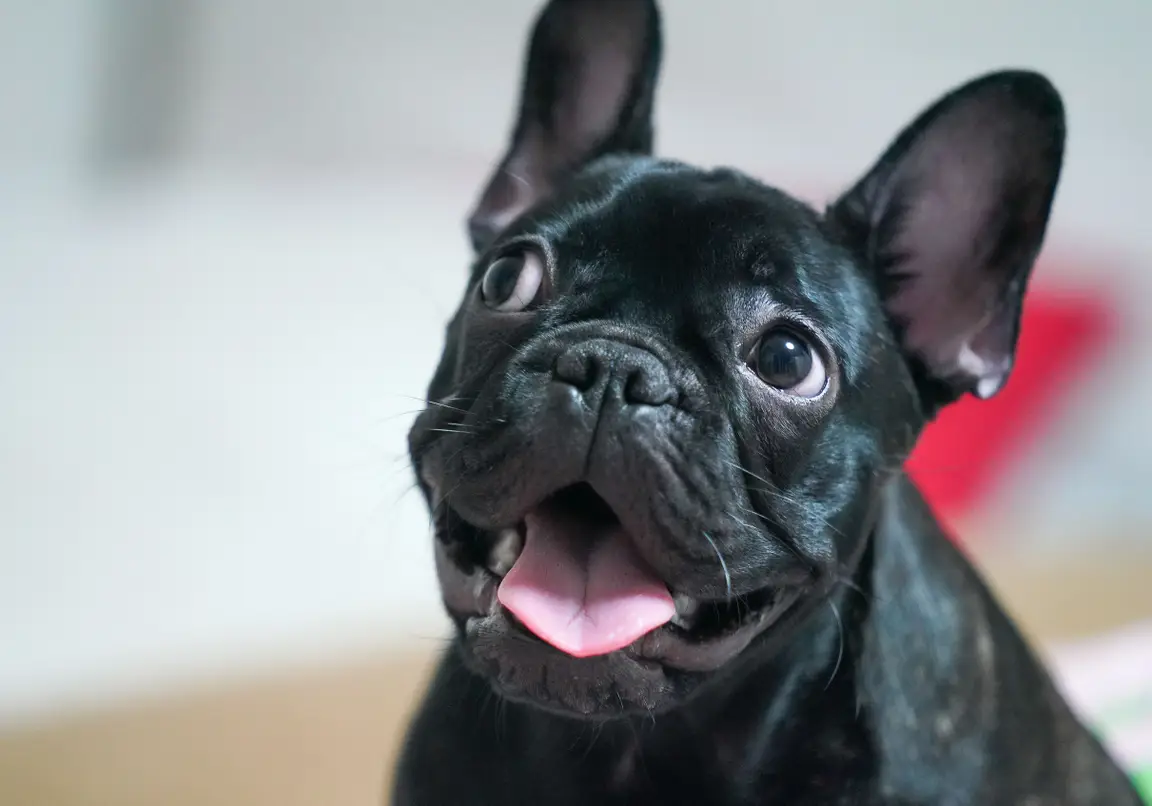
At night, a very young puppy often needs an outing. Place their bed near you at first: you will hear them becoming restless. Take them out briefly, without playing, then put them back to bed. As they grow older, nights naturally become longer.
When you are away, leave them in a safe, limited space, with a bed and water. Teach them to be alone gradually, through short absences. A puppy left alone for too long cannot hold it: this is not a training failure.
Puppy pads can help in an apartment, especially for very small dogs or if you cannot take the puppy out every time they wake up. But they teach them that they can go indoors. If you use one, always keep it in the same place, then gradually move it closer to the door before removing it. The goal remains going outside.
All puppies can become house-trained. But ease of training varies by breed. Each Pedibase profile gives it a score out of 5. Here are some common breeds (Pedibase data as of 13/10/2026, number of breeders in France):
A low score does not mean that the puppy will never be house-trained. Rather, it indicates a more independent or more stubborn breed, which requires greater consistency and patience. The French bulldog and Bichon Frisé profiles also advise prioritising house-training from the moment the puppy arrives.
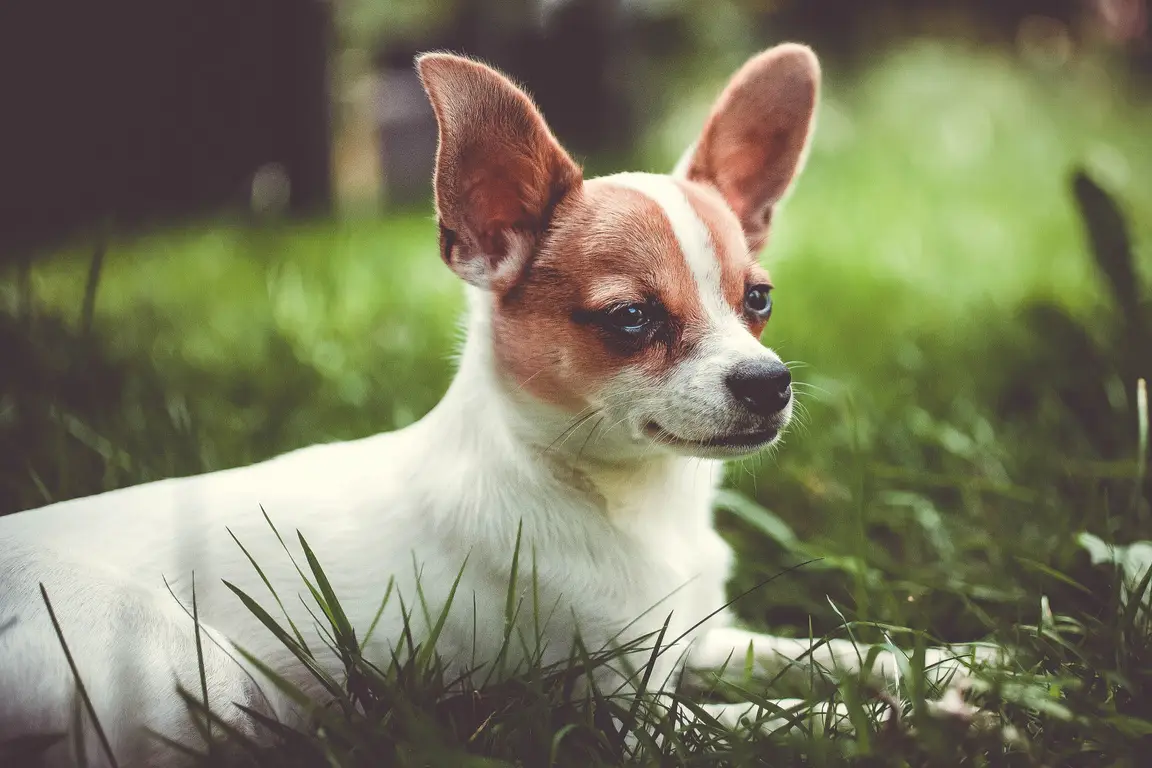
In very small dogs such as the Chihuahua or Yorkshire, the bladder is tiny: outings must be even more frequent. If you are still unsure about the breed, the choose your dog test takes your lifestyle into account.
Consult a veterinarian if you notice:
A house-training problem may have a medical cause, for example a urinary infection or digestive disorders. Only a veterinarian can check this.
There is no single timeframe. It depends on the puppy's age, breed, the regularity of outings and the time you can devote to it. Allow several weeks, sometimes a few months, with steady progress rather than a sudden breakthrough.
No. Punishment mainly teaches them to hide. Interrupt them calmly if you catch them, take them outside, and reward them if they finish outside. Clean up accidents without comment.
The principles are the same: frequent outings at key times, the same route, the same place, immediate reward. A puppy pad can help at first, but plan to remove it gradually. Keep the leash and keys near the door so you can go out quickly upon waking.
Moving house, a change in routine, a period of fear or a lack of outings can cause a regression. Start the method again from the beginning. If the regression is sudden or accompanied by other signs, consult your veterinarian.
Pedibase profiles rate ease of training out of 5. The Poodle, Golden retriever and Labrador retriever are rated 5/5, the Chihuahua, Dachshund, Jack Russell terrier and Shiba inu 2/5 (data as of 13/10/2026). But every puppy is different and all can become house-trained with consistency.
Yes, and it is a good sign. A conscientious breeding facility gives the puppy a clean space, gets them used to going outside and explains their habits to you. Pedibase supports this approach in its ethical charter: ask the question during your visit.
Explore full listings for the breeds mentioned in this article.
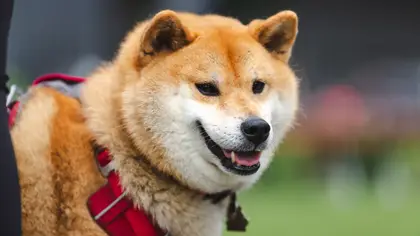
Japanese small dog: Shiba Inu, Japanese Spitz, Japanese Spaniel… Origin, price, breeders in France (Pedibase data).
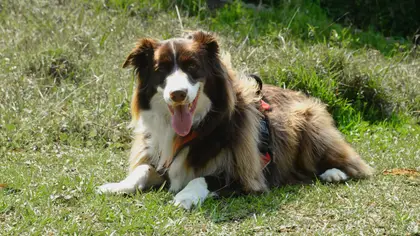
Medium-sized dog breed: Australian Shepherd, Cocker, Beagle, Border Collie… Size, price, breeders in France (Pedibase data).

White cat breed: Turkish Angora, Van, Persian, British, Maine Coon… White varieties, FR breeders and points to watch out for (Pedibase data).


.jpg)
