
Choose a breederAugust 28, 2026· 7 min read
How to choose a cat breeder
How to choose a purebred cat breeder: questions, visit, LOOF documents, kitten socialization, and points to watch before booking.
By Pedibase
How to choose a purebred cat breeder: questions, visit, LOOF documents, kitten socialization, and points to watch before booking.
By Pedibase
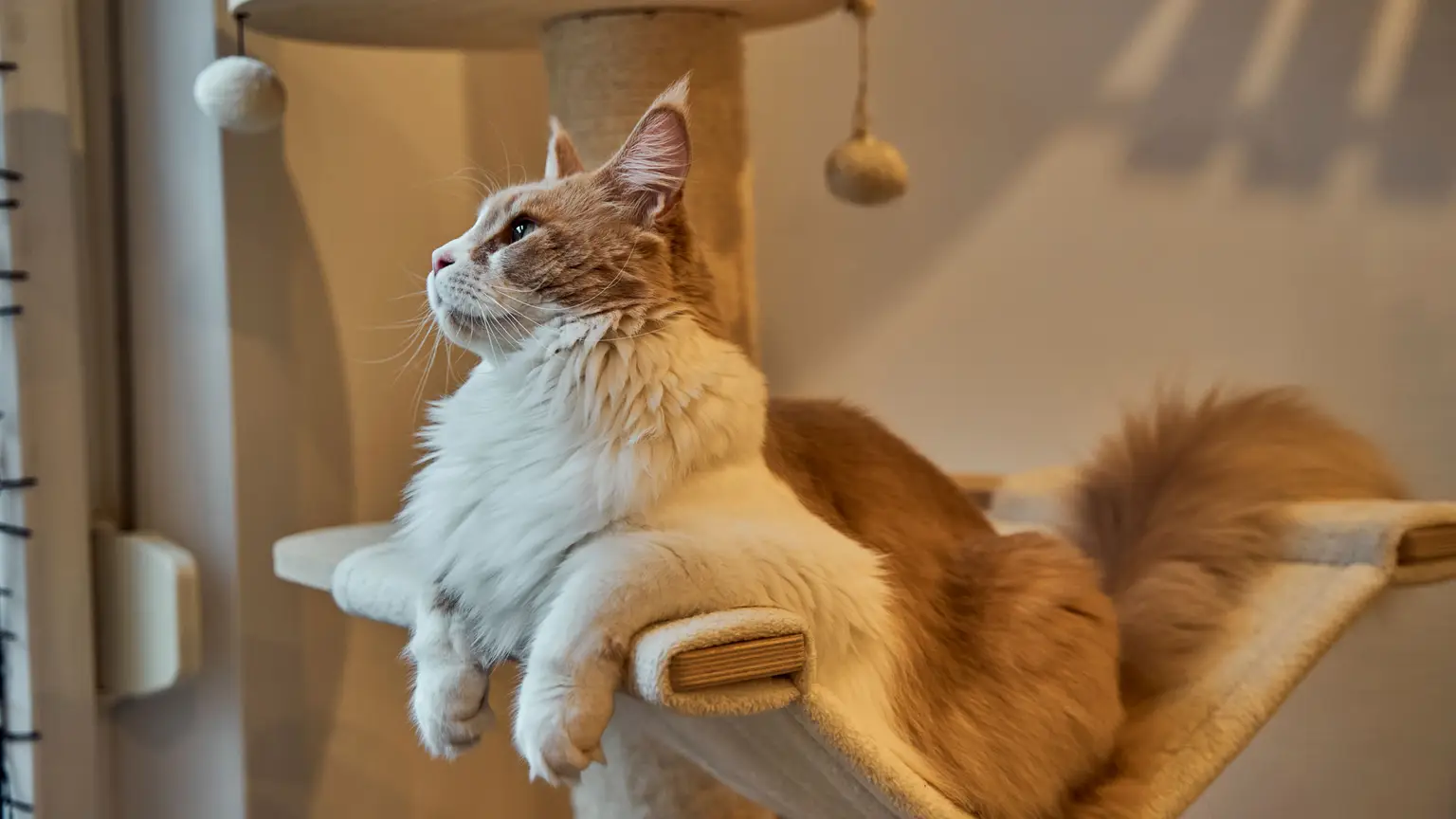
A purebred cat is not bought like an available object. You choose a breeding cattery, a lineage and a way to socialize the kitten. Seriousness shows in the answers, the living environment and the documents, not in the number of photos.
Whether you are looking at a Maine Coon, a Ragdoll or a British Shorthair, the method remains the same: understand the breeding, see the cats, read the paperwork, then decide without rushing.
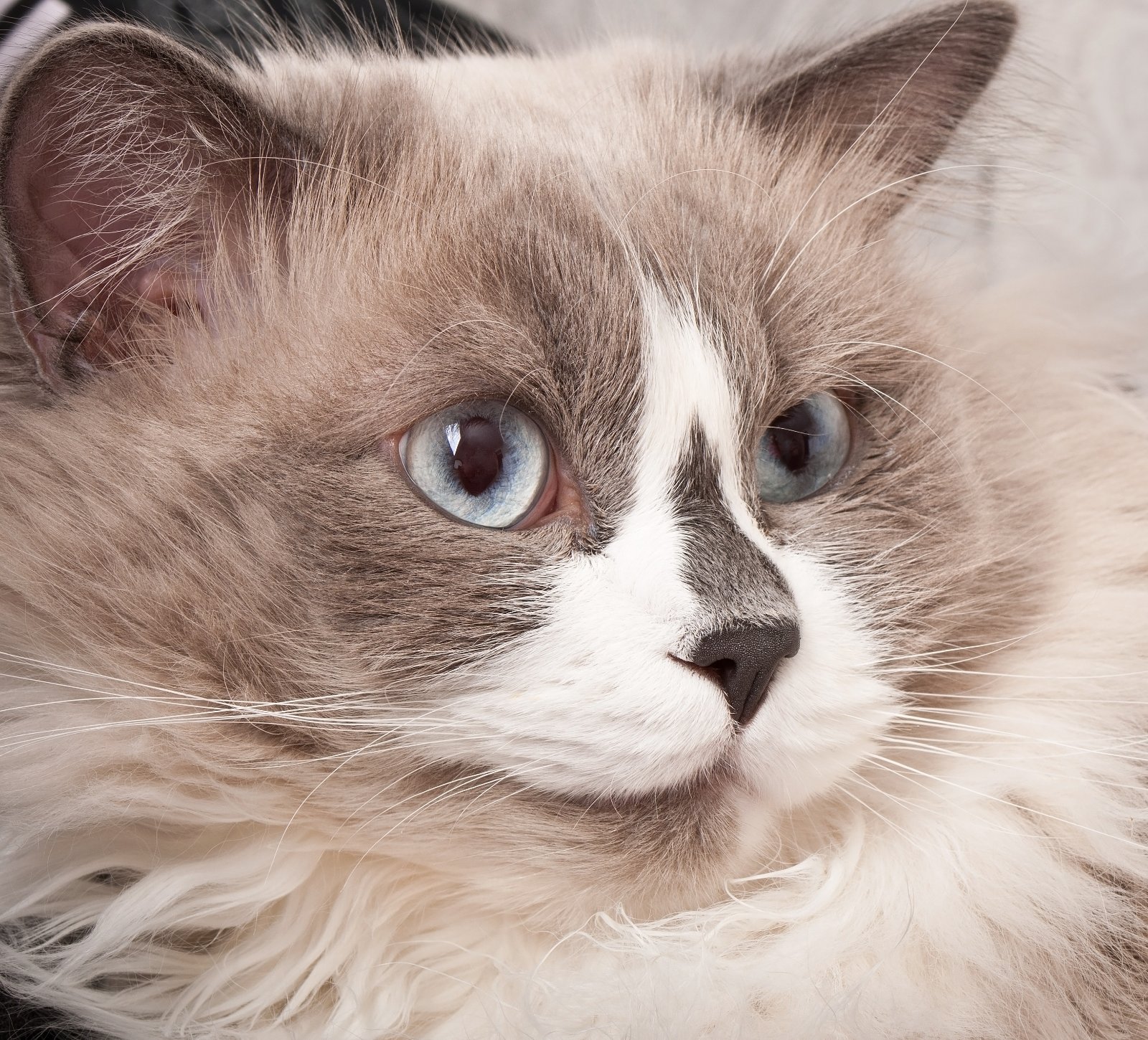
A calm indoor cat does not have the same profile as a very active, very vocal or very contact-dependent cat. Some breeds require more brushing, more vertical space, more presence. Note your real pace, not the ideal weekend pace.
If you already have animals, say so from the first message. An attentive breeder will tell you whether a kitten from their line adapts easily, and under what conditions. They can also advise you to wait for a more suitable litter rather than forcing a match. This guidance is part of the job.
A clear listing indicates the breed(s), the living environment, the visit policy and the type of documents. It does not just string together adjectives. On Pedibase, start from the breed pages then open the breeders list to compare several catteries.
Rule out listings that multiply breeds without a guiding line, that offer kittens deliverable right away without a visit, or that refuse to talk about the LOOF, identification and the transfer certificate. A family breeding can be very serious. The absence of documents, no.
A serious breeder answers straightforwardly. They may add details later. They should not avoid the topic of paperwork or the visit. An overly general line about cats raised in a family, without details about the place, remains insufficient.
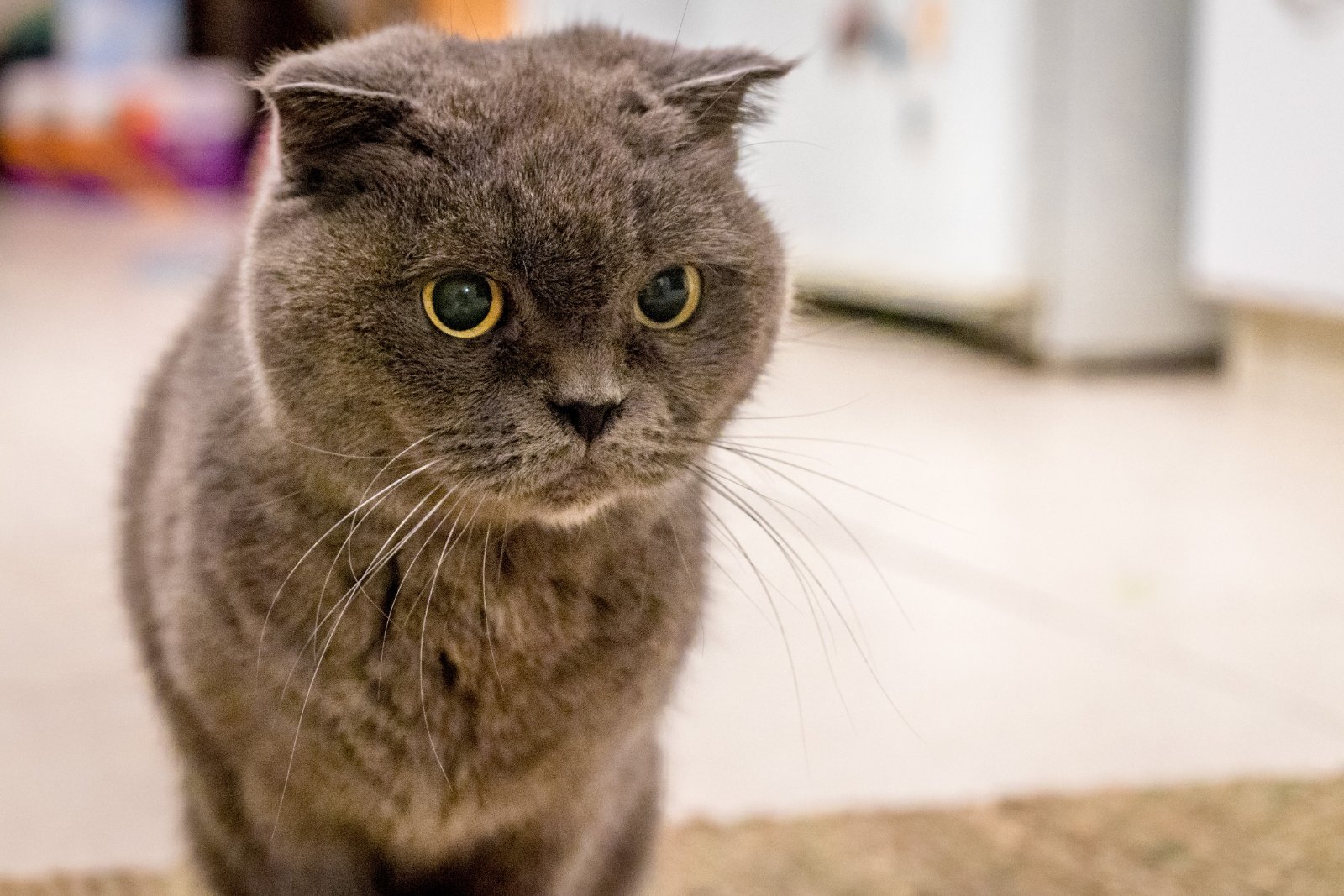
The visit shows you the day-to-day. You observe the smell, cleanliness, water points, litter trays, perches, the possibility to hide and contact with people. The adult cats tell you a lot: whether they flee in panic or are approachable, that reflects the socialization work.
Kittens must be able to play and withdraw. A single, noisy space with no hiding place is not a sign of good habituation. A kitten never handled will not leave more natural: it will leave more fragile in the face of a new home. Also ask how visits and the litter’s calm are managed.
Ask to see the mother. In cats, she often remains the best indicator of transmitted temperament and the breeding environment. If the father is not on site, the breeder must be able to talk about him and his documents. Note the answers. You will reread them before paying a deposit.
The LOOF is the Livre Officiel des Origines Félines. It registers purebred cats according to precise rules. A kitten said to be purebred without an explanation of its registration is not the same thing as a kitten registered with the LOOF. Ask for the litter’s status, not a slogan.
In France, identifying the kitten is part of the transfer obligations. You must also receive a transfer certificate. The breeder tells you what is already done on day J and what may follow, for example an origin document sent afterward. Have these timelines written down.
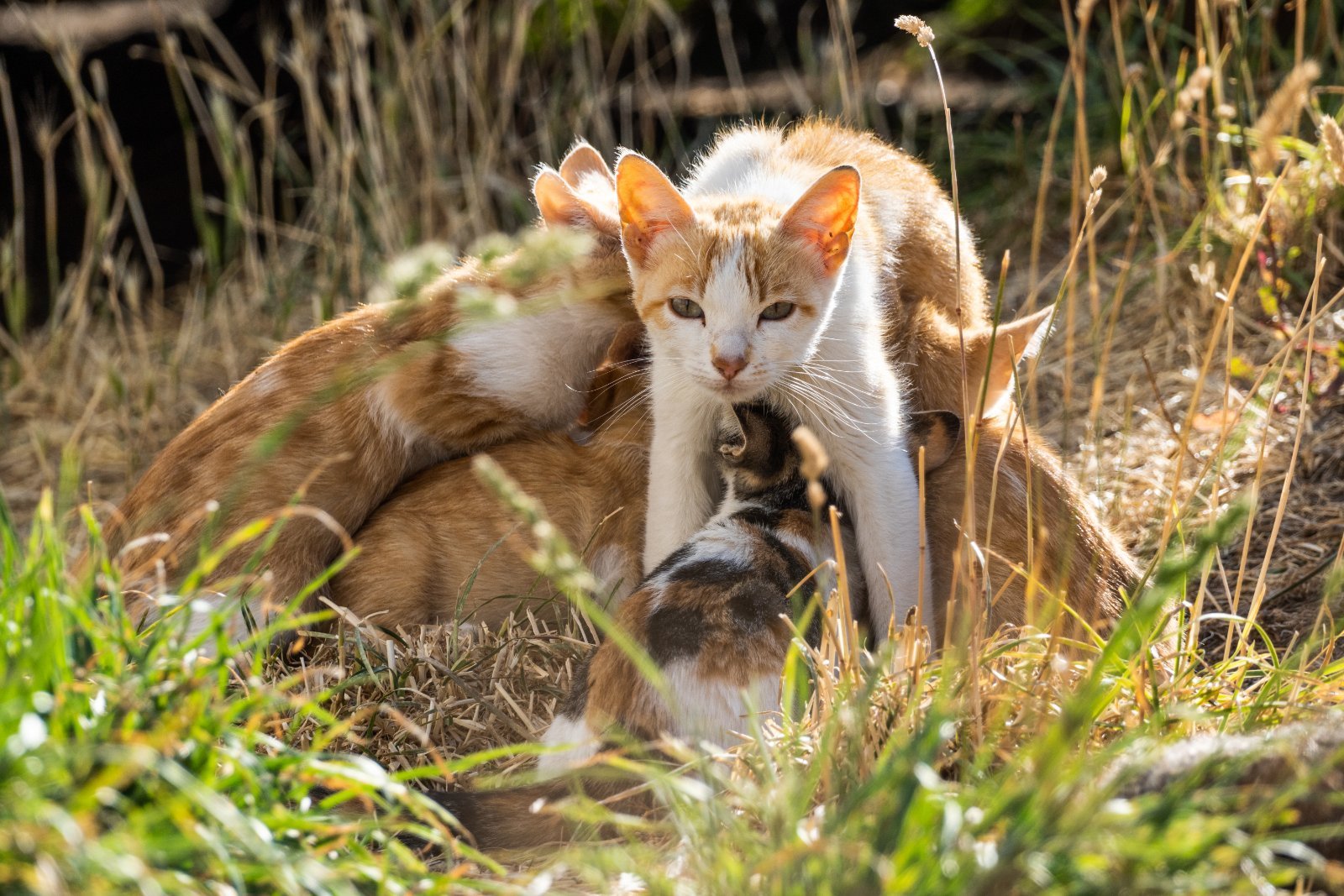
Depending on the breeds, breeders rely on genetic tests or targeted examinations. In the Persian and some related breeds, PKD comes up often. In others, the topic is the heart, kidneys or specific mutations. The breeder must link the test to their line.
Do not ask the breeder to guarantee that there will never be illness. Ask what has been checked, by whom, and what the results change in their retirement of breeding cats. The kitten’s medical follow-up, once with you, belongs to your veterinarian.
A well-prepared kitten has been accustomed to handling, household noises, the carrier, sometimes the household dog or other cats. Ask about the real pace. The departure age is discussed. Leaving too early often complicates learning social codes.
Ask the breeder for the price. Prices vary depending on the breed, the line, the follow-up and the tests. Do not use a figure read elsewhere as a reference. Get the deposit, cancellation conditions and promised documents confirmed in writing. Reread any sterilization or follow-up clause.
After the reservation, stay in touch. Prepare a calm room, high points, hiding places and a first veterinary appointment. The breeder can indicate the current diet to avoid an abrupt change, without replacing medical advice. On day J, check the documents. Also compare via the breeder search.

In France, the LOOF is the reference register for the origin of a purebred cat. It does not by itself describe the kitten’s temperament or the cattery’s day-to-day. Always combine the document with a visit and targeted health questions.
Yes. Photos show neither the smell, nor the behavior, nor the real place. The mother remains a simple and useful checkpoint. If the visit is refused without a clear reason, look for another breeding.
Arrange a visit before the handover, ask for a video call in the living area, and have the documents handed over listed in writing. Distance does not erase traceability. Also plan the kitten’s transport in good conditions.
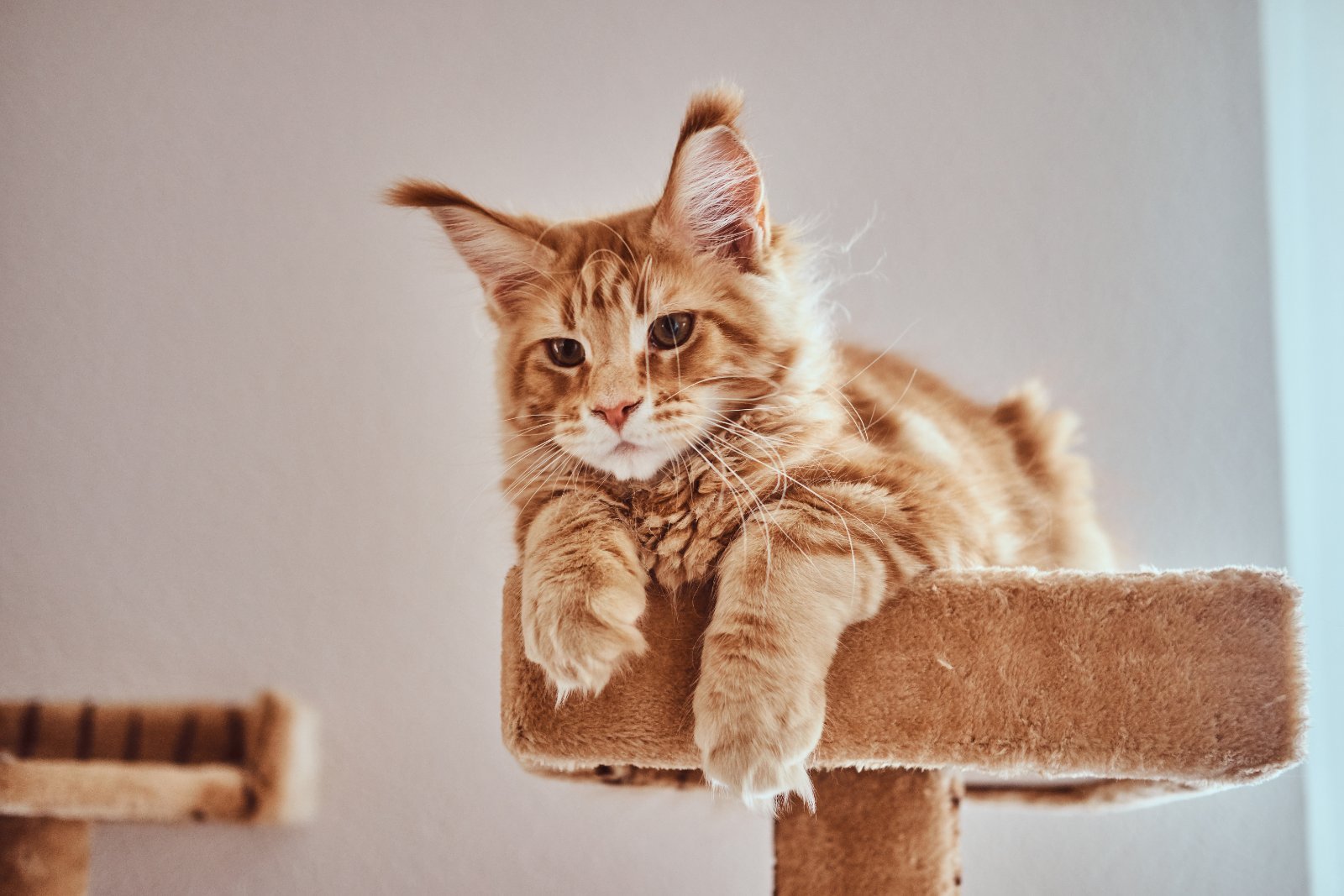
On the topic “How to choose a cat breeder”, three reflexes are enough: visit, read the documents, decide without pressure. Then link your plan to concrete pages, for example maine coon, ragdoll, british shorthair, then compare the structures on the breeder search. A considered choice is also judged after the handover, when daily life begins.
Keep a written record of the answers, paperwork timelines and identification. If a point remains unclear, ask for clarification before paying a deposit. It is better to wait for another litter than to force an incomplete file.
Also prepare the home: real pace, other animals, time available, first veterinary appointment. The breeder can tell you the current diet and habits already established. Your veterinarian remains the contact for medical follow-up. This separation of roles avoids misunderstandings.
Finally, reread the transfer certificate calmly. Check that the name, identification and origin status match the animal handed over. A discrepancy is discussed right away, not three weeks later. This simple reflex protects both the buyer and the serious breeding.
Write down the questions that really concern your plan, then tick them off during the visit. Keep the answers in writing. Reread them the next day, with a clear head. A detail that seemed secondary on site sometimes becomes the decisive criterion once back home.
If you hesitate between two breedings, compare only facts: documents shown, living environment, clarity of follow-up, consistency between the first message and the visit. The rest is noise. You can also reread the breed sheet to check that your daily life still matches the dog or the adult cat, not only the young one from the litter.
Pedibase is used to link a breed to visitable breedings. Use it to prepare contact, not to replace the visit. No web page can see the smell of a room, the behavior of a mother or the readability of an original document.
Discover the full pages for the breeds mentioned in this article.

How to check a LOF or LOOF breeder: pedigree documents, identification, consistency of paperwork, and questions to ask before buying a puppy or…

Practical checklist for visiting a dog or cat breeding facility: living environment, mother, puppies or kittens, documents, hygiene, and questions to ask on site.

Concrete criteria for choosing a dog breeder: visit, LOF papers, socialization, and questions to ask before reserving a puppy.


