
Choose a breederAugust 28, 2026· 6 min read
How to check a LOF or LOOF breeder
How to check a LOF or LOOF breeder: pedigree documents, identification, consistency of paperwork, and questions to ask before buying a puppy or…
By Pedibase
How to check a LOF or LOOF breeder: pedigree documents, identification, consistency of paperwork, and questions to ask before buying a puppy or…
By Pedibase
LOF and LOOF are origin registers. They are not friendliness labels. They make it possible to track a lineage, provided that the documents match the animal you see. Checking a breeder means checking this consistency.
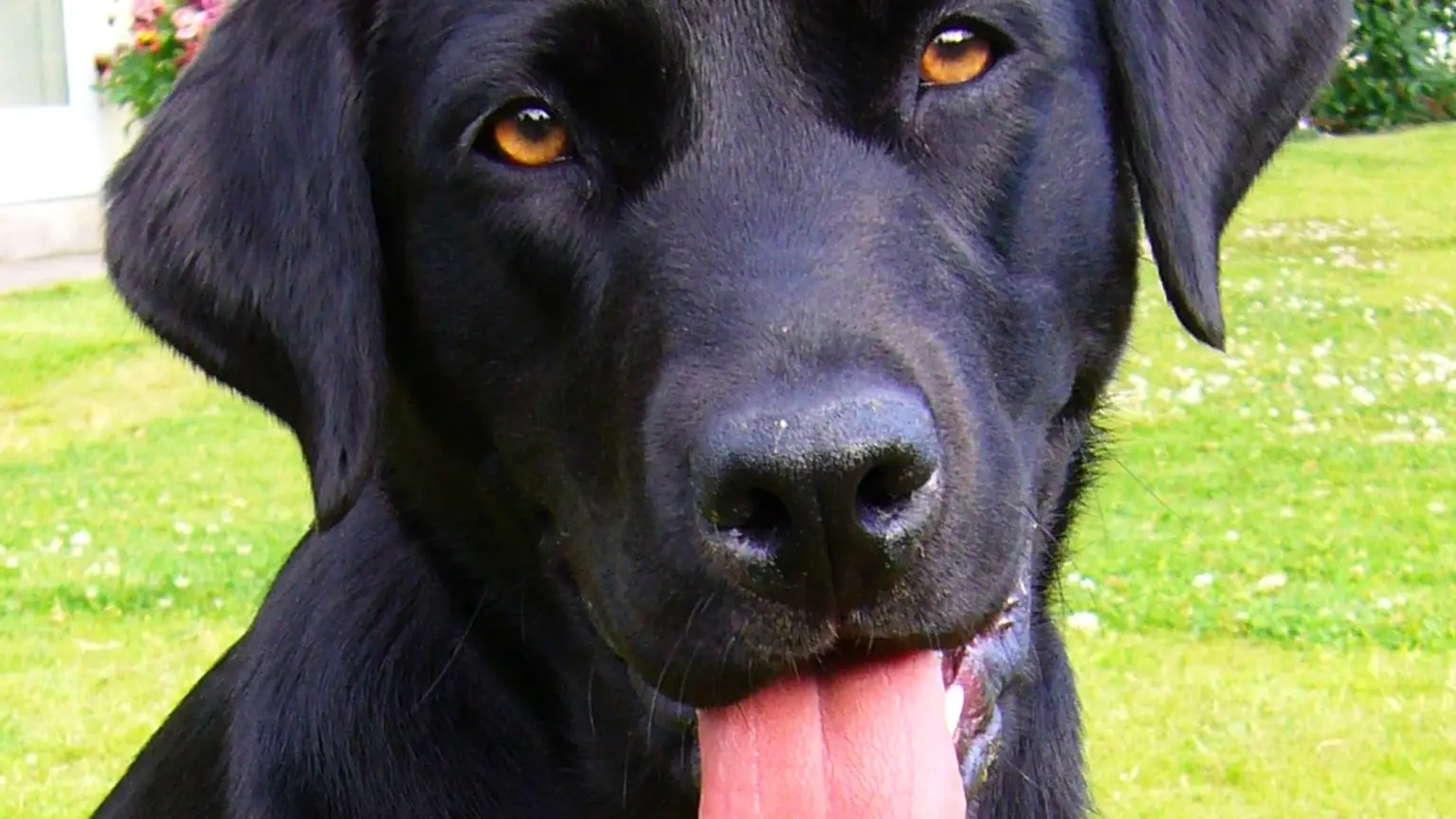
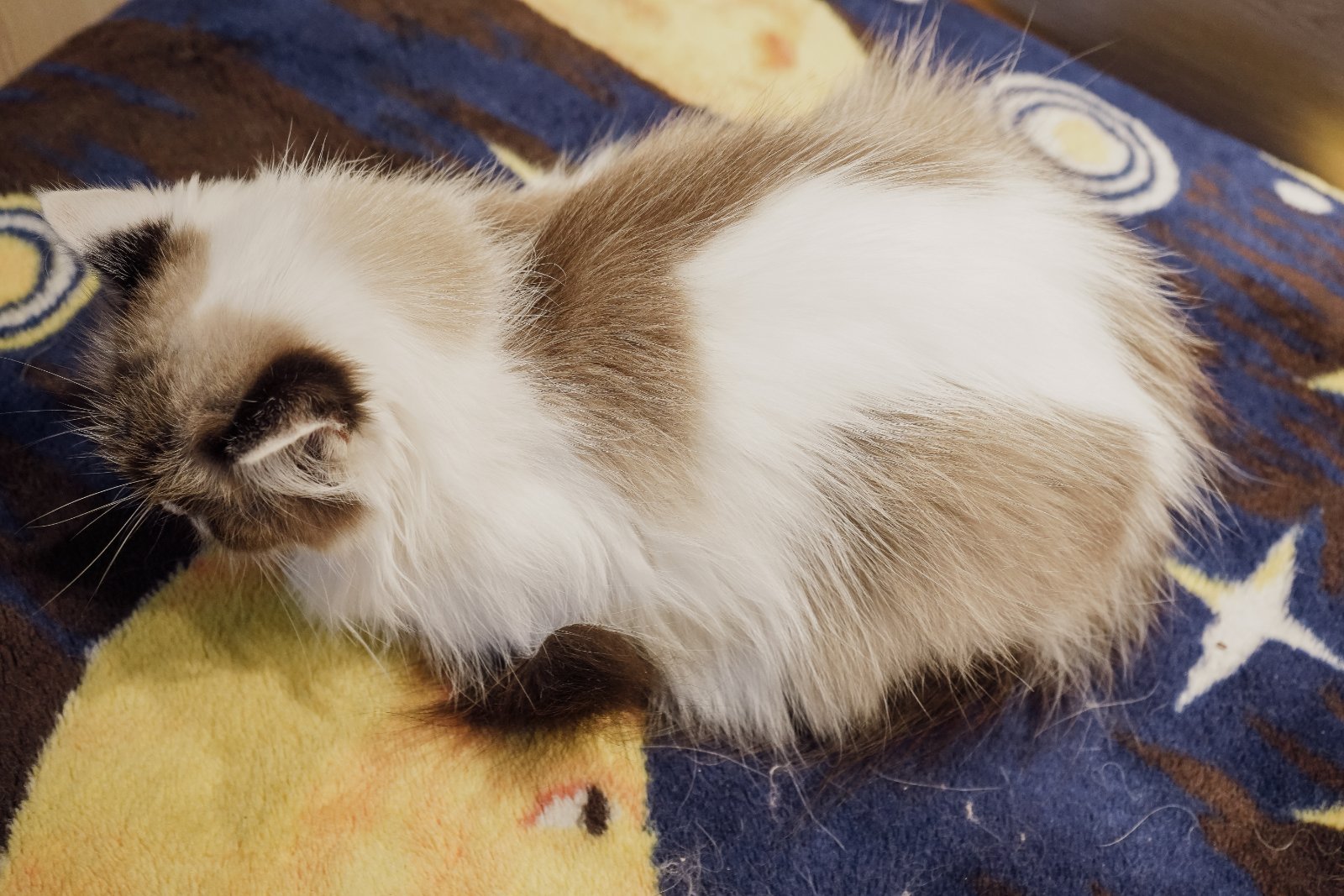
For a dog, the Livre des Origines Français is managed with the Société Centrale Canine. For a cat, the Livre Officiel des Origines Félines plays an equivalent role. A LOF Labrador Retriever and a LOOF Sacré de Birmanie are checked with the same method: documents, identification, precise questions.
An origin document says that the animal is part of a genealogy recognized by the register. It does not say that the puppy or kitten is already “perfect”, nor that the breeding facility can be visited, nor that the temperament will suit you. It does not replace the visit.
Conversely, the absence of an origin document does not prevent you from loving an animal. It changes the status: you are not buying the same traceability. The breeder must say so clearly. A vague line like “it’s a purebred but without papers, it’s the same” is not an explanation.
Ask about the litter’s status: registration in progress, documents already obtained, remaining timeframe. Also ask whether the parents themselves are registered, and under what affix name if the breeder has one. An affix is a registered kennel name. It helps track litters over time.
You can ask for copies or photos of the breeding animals’ documents. Re-read the names, numbers and dates. You are not an expert in a central file. You can still see whether two documents refer to the same animal, or whether they are illegible, cropped, contradictory.
In France, the puppy or kitten being transferred must be identified. Identification links an animal to a file, via I-CAD for domestic carnivores. The number read on the document must match the animal handed over. On the day, you can ask to see this match.
If the identification has not yet been done at the time of reservation, ask when it will be. A transfer without identification is not a sound basis. Do not confuse an old tattoo with current practice either: today, the microchip is the usual method to clarify with the breeder and your veterinarian.

On the day of the visit or handover, compare breed, sex, declared color, date of birth and identification. A discrepancy may be a reading error. Several discrepancies, or a document in the name of another breeder without explanation, should stop you.
For LOF, the breeder must be able to explain where the litter registration stands and what you will receive: a birth certificate, then possibly a final document depending on the planned steps. For LOOF, the principle is the same: a registration process, not a label stuck on a cage.
Short, concrete answers are enough. A breeder does not have to give you a lesson. They have to make their file readable. If they refuse any document “on principle”, you have no way to verify. Move on to another operation, for example via the breeder search.

Be wary of phrases like “LOF promised”, “file sent” or “papers to come” without a timeframe and without a named organization. Also be wary of a pedigree shown on a screen with no link to the animal present. A file from another country, another club or another animal is not an automatic equivalent.
Another pitfall: believing that a nice affix seen on social media proves the litter. The affix must be interpreted with the documents for this specific litter. Always ask for the link between the kennel name, the parents and the young animal you are reserving.
File away the transfer certificate, the identification and the origin documents. Check that your name, or the transfer procedure, is consistent with what was signed. If a document is supposed to follow, note the announced date and follow up calmly. Keep written exchanges.
If in doubt about a paper, first ask the breeder for a factual explanation. You can also inquire with the relevant official organizations, or ask your veterinarian to help you read the identification. Do not invent a conflict before you have the elements.
Yes. The affix helps identify a breeder, but seriousness is seen above all in the visit, the frequency of litters, the documents and the follow-up. A famous name is not enough. A small, well-documented breeder can be perfectly suitable.
This is possible depending on the registration steps. Have written down what is handed over on day J, what will follow, and the timeframe. Without that, you only have a promise. Do not pay the balance against a simple oral intention.
No. They document an origin. Screening, selection and day-to-day breeding are another subject. Ask health questions separately, with documents to support them, without asking the breeder for a diagnosis.
On the topic “How to check a LOF or LOOF breeder”, three reflexes are enough: visit, read the documents, decide without pressure. Then link your project to concrete pages, for example labrador retriever, sacre de birmanie, then compare operations on the breeder search. A considered choice is also judged after the handover, when everyday life begins.
Keep a written record of the answers, paper timeframes and identification. If a point remains unclear, ask for clarification before paying a deposit. It is better to wait for another litter than to force an incomplete file.
Also prepare the home: real rhythm, other animals, available time, first veterinary appointment. The breeder can tell you the current diet and the habits already established. Your veterinarian remains the point of contact for medical follow-up. This separation of roles avoids misunderstandings.
Finally, reread the transfer certificate calmly. Check that the name, identification and origin status match the animal handed over. A discrepancy is discussed right away, not three weeks later. This simple reflex protects both the buyer and the serious breeder.
Write down the questions that really concern your project, then tick them off during the visit. Keep the answers in writing. Reread them the next day, with a clear head. A detail that seemed secondary on site sometimes becomes the decisive criterion once you’re back home.
If you hesitate between two breeders, compare only facts: documents shown, living place, clarity of follow-up, consistency between the first message and the visit. The rest is noise. You can also reread the breed sheet to check that your daily life still matches the adult dog or cat, not only the young animal from the litter.
Pedibase is used to link a breed to breeders that can be visited. Use it to prepare contact, not to replace the visit. No web page can perceive the smell of a facility, the behavior of a mother, or the readability of an original document.
Discover the full pages for the breeds mentioned in this article.

How to choose a purebred cat breeder: questions, visit, LOOF documents, kitten socialization, and points to watch before booking.

Practical checklist for visiting a dog or cat breeding facility: living environment, mother, puppies or kittens, documents, hygiene, and questions to ask on site.

Concrete criteria for choosing a dog breeder: visit, LOF papers, socialization, and questions to ask before reserving a puppy.

