Origins
Where does it come from?
The German Hound comes from the fusion, at the end of the 19th century, of the Westphalian Hound with various varieties of Steinbracken. Founded in 1886, the Deutschen Bracken Club brought together the hounds of north-west Germany and helped to structure the breed. This one remains little widespread outside its region of origin and remains mainly used as a hunting dog. The Fédération Cynologique Internationale recognized it definitively on 28 January 1964.
Appearance
What does it look like?
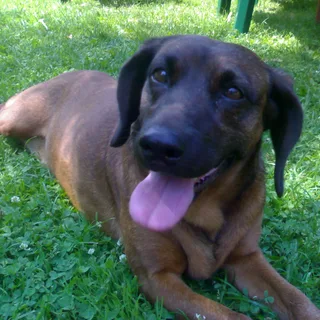
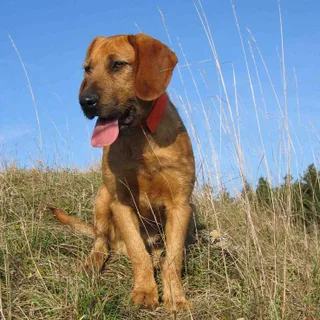
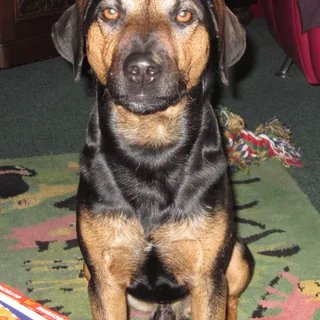
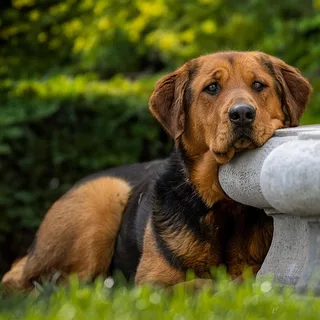
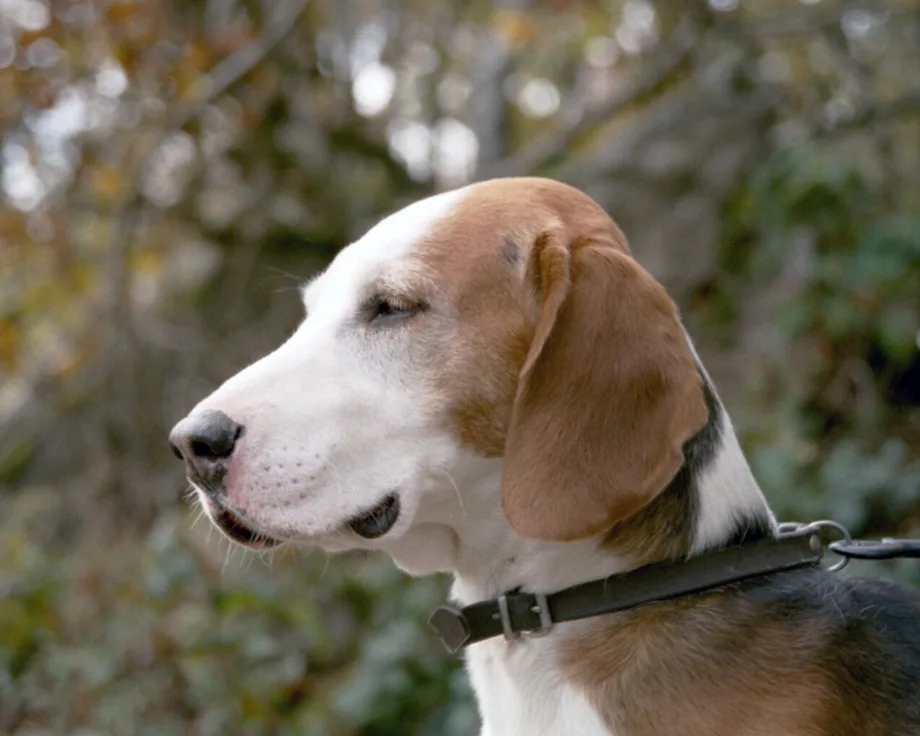
Of medium size, the German Brachet has a light but solid silhouette. Its head is long, lean and slightly rounded at the level of the skull, with a little-marked stop and dark eyes with a gentle expression. Its fairly long and wide ears end in a rounded shape. The neck is moderately long and strong, the chest high, the ribcage long and the abdomen slightly tucked up. Its long tail, not very thick, carries a more abundant coat. The red to fawn coat combines a black mantle and white markings. The hair is short, harsh and very dense, including under the belly, with a slight brush under the tail and breeches on the thighs.
Temperament
Temperament and personality
Passionate about hunting hare, roe deer and fox, the Brachet Allemand is gentle, affectionate, loyal and friendly with its family. It generally enjoys the company of children and knows how to be playful. Its independent temperament and relative obedience nevertheless require a consistent owner. It has strong energy and retains the instincts of a scenthound selected to work over long distances.
Living together
Living with children and other pets
This dog needs to run and explore every day to maintain its physical and mental balance. It prefers wide open spaces, the countryside and areas where it can express its abilities as a scenthound. Apartment living remains possible only with long daily outings, plenty of attention and sustained activity. Its chasing instinct requires securing walks and outdoor spaces.
Training
Training and socialization
Training must start early and combine firmness, gentleness and consistency. Recall, socialization and basic rules are priorities, notably due to the hunting instinct and limited docility. Short, regular and motivating sessions make it possible to better channel its energy. For hunting use, specific training must be progressive and rigorous.
Budget
Price and budget for the German Hound
The purchase price varies depending on the kennel, the lineage, compliance with the standard, health guarantees and the dog's intended use, notably companionship or hunting. The annual maintenance budget indicated by the reference is between 1 150 and 1 250 euros.
See cost breakdownHealth
Health at a glance
Rustic and of robust constitution, the German Brachet generally enjoys good health. The shape of its drooping ears nevertheless requires regular monitoring, as it can promote moisture, infections and ear infections.
Prevention and things to watch forNutrition
Feeding your pet well
The German Brachet needs a complete, balanced diet adjusted to its age, weight and activity level. Its ration must change between hunting, training and rest periods.
Our feeding adviceDid you know?
Fun facts and popularity
The German Brachet is also known under the names Deutsche Bracke and German Hound. Not very common outside Germany, it belongs to FCI group 6, that of scenthounds, tracking dogs and related breeds. The breed is also recognized by the AKC, the Kennel Club and the UKC.