A menu for every age
Their needs change as they grow
Puppy: Growth food adapted to the expected size, divided into three meals, without unnecessary calcium supplementation.
Adult: Controlled ration in two meals, adjusted to ideal weight and actual activity.
Senior: Digestible food, possibly less energy-dense, with joint and dental monitoring.
Which food?
Kibble, wet food, or homemade meals?
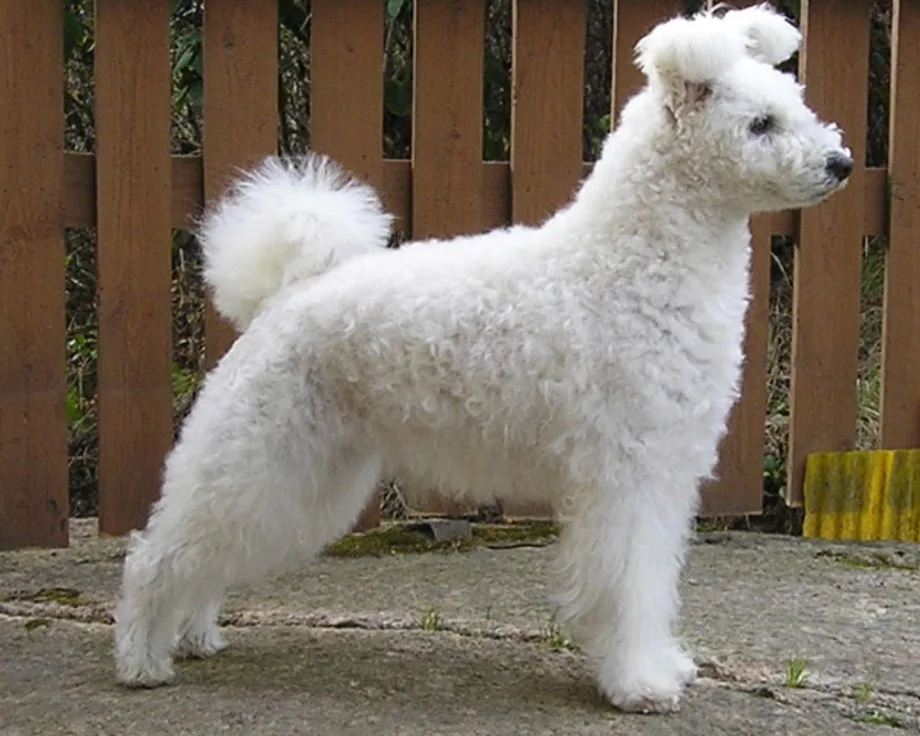
A complete, good-quality diet, formulated for an active medium-sized dog, generally suits the Pumi well. The choice of food must take into account its age, its daily activity and its individual digestive sensitivity.
Portion sizes
How much should you feed?
The daily amount must be adjusted to the dog's weight, metabolism and exercise level. For a very active Pumi, the ration should be reassessed regularly to match energy expenditure without promoting weight gain.
| Weight | Daily amount | Meals per day |
|---|---|---|
| 8 - 10 kg | 176 - 241 g | 2 |
| 10 - 13 kg | 214 - 293 g | 2 |
| 13 - 15 kg | 251 - 344 g | 2 |
Changing food
How to switch foods successfully
Any change in diet must be introduced gradually over several days in order to limit digestive upsets. A slow transition makes it possible to observe appetite, stool quality and good tolerance of the new food.
Hydration
Don't overlook water
Clean, fresh water must remain available at all times. Hydration is particularly important for this energetic dog, especially after long outings, sporting activities or in hot weather.
A little extra
Treats in moderation
Treats can be useful in the Pumi’s training, provided they remain moderate and are included in the daily calorie intake. Simple and well-chosen rewards help support learning without unbalancing the ration.
Good habits
Make mealtimes count
- Adjust the ration to its actual activity level
- Divide the daily ration into at least 2 meals for the adult
- Regularly monitor the silhouette and weight
Never feed these foods
As with other dogs, chocolate, grapes, onions, garlic, xylitol, alcohol, cooked bones and very fatty foods should be avoided, as they can cause poisoning, severe digestive disorders or more serious damage.