Puli
+9

Dogs

The Puli: temperament, price, health, and breeders

Hungary

A lively and agile Hungarian herding dog, famous for its corded coat.

Size MediumLife expectancy 12–15 yearsBudget ≈ €107/monthPuppy €800 – €1,000

The right choice?

Is this breed right for you?

Families and children Very good
Daily exercise needs High
Apartment living Good
First-time owners Fair
Other pets Good
Tolerance of being alone Fair
Guarding instinct Very good

Strengths and weaknesses

  • Good guard dog: Its natural vigilance and protective instinct make it an effective watchdog.
  • Agile and athletic: It excels in activities that require energy, coordination and intelligence.
  • Attached to its family: It is cheerful, close to its loved ones and appreciates a real family home life.
  • Demanding coat maintenance: Its corded coat requires regular and careful upkeep to stay clean and healthy.
  • Need for activity: A lack of outings or stimulation can make it noisier or frustrated.
  • Reserved with strangers: Its guarding instinct can make it less open without serious socialization.

Who is it for?

Ideal for

  • Active people: The Puli is well suited to owners who can offer it outings, games and regular activities.
  • Involved families: It thrives in a present household that takes on both its training and its upkeep.
  • Sheepdog enthusiasts: Its lively temperament and working instinct appeal to people who like herding breeds.

Not recommended for

  • Very sedentary households: It is not suitable for a daily life with little physical and mental exertion.
  • People with little time for grooming: Its coat requires a specific maintenance routine that cannot be neglected.
  • Adopters looking for a very easy dog: Its training and management require more involvement than a simpler breed.

Meet the breed

What does it look like?

1,75 mHuman
40 cmPuli
Height at the withers
35–45 cm
Weight
10–15 kg
Coat
Long, corded
FCI group
1
Origin
Hungary
Grooming
High-maintenance coat

Photos and videos

See the Puli in photos and videos: coat colors, size, and distinctive expressions.

Origins

Where does it come from?

Developed in Hungary but originating from ancient lines of herding dogs from Asia, the Puli accompanied the Magyar nomads to drive and protect the herds. This pastoral breed remained relatively little-known outside its cradle of origin before being definitively recognized by the FCI in 1954.

Appearance

What does it look like?

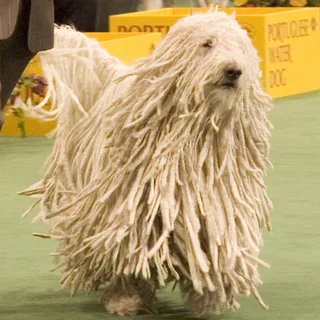
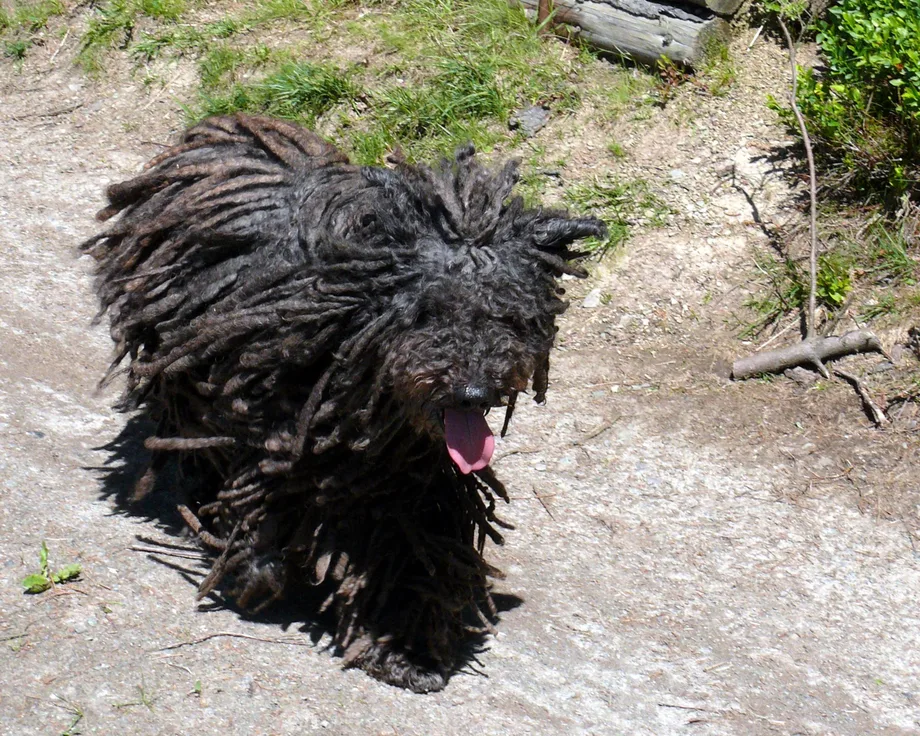
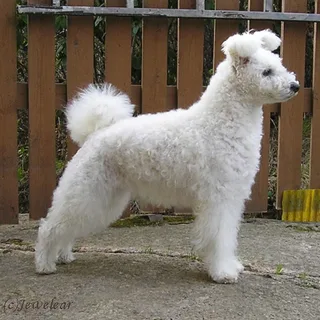
The Puli is a medium-sized herding dog, robust and harmoniously built, whose body fits almost into a square. Its muscular silhouette rests on a fine and agile bone structure. It stands out above all for its abundant coat forming, in adulthood, long cords, with accepted colors such as black, fawn with a black mask, gray or pearl white.

Temperament

Temperament and personality

The Puli is an alert, energetic and courageous dog, endowed with a good sense of observation and a true herding temperament. Attached to its family, playful and pleasant on a daily basis, it retains a marked protective instinct and often shows itself reserved with strangers.

Affectionate Playful Sociable Protective

Living together

Living with children and other pets

Active by nature, the Puli likes to have a mission, move around and take part in the life of its household. It appreciates children and can live well in a family if its exercise and stimulation needs are met. Its natural vigilance makes it quite barky and a good guard dog.

Training

Training and socialization

The Puli’s training benefits from being started early, with a consistent framework combining firmness, gentleness and motivation. Brutality must be avoided. This intelligent dog learns well when the work is varied, playful and rewarding, but its slightly independent side requires consistency.

Budget

Price and budget for the Puli

The Puli remains a fairly rare breed and its price depends mainly on the seriousness of the breeding, the origins, the health tests carried out and the quality of the follow-up. The purchase cost should never be the only selection criterion.

See cost breakdown

Health

Health at a glance

The Puli is overall a sturdy and fairly resilient dog, well adapted to bad weather thanks to its particular coat. Like many selected breeds, it nevertheless has a few hereditary points to watch out for, which justify serious veterinary monitoring and a rigorous breeding choice.

Prevention and things to watch for

Nutrition

Feeding your pet well

The Puli's diet must be balanced, digestible and adjusted to its age, its physical activity and its size. A sporty or very active dog will not have the same needs as an individual living more calmly.

Our feeding advice

Did you know?

Fun facts and popularity

The Puli is sometimes nicknamed Hungarian Shepherd. Its corded coat, often compared to dreadlocks, is not just an aesthetic feature: it effectively protects it from cold and rain. The breed also gained renewed visibility when Mark Zuckerberg introduced his dog Beast to the general public.
FAQ

Frequently asked questions about the Puli

Answers to common questions from future owners before their new companion arrives.

No, the Puli sheds little, but its coat requires very specific maintenance. You need to separate and regularly monitor the cords to keep a clean and healthy coat.

Yes, provided it gets enough outings, activities, and mental stimulation every day. Its size remains compatible with city life, but it is not a sedentary dog.

It learns well with early, positive, and consistent training. Its intelligence and energy are real assets, but its sensitivity and slightly independent side require consistency.

Find a Puli breeder

The areas where Pedibase lists the most Puli breeders, along with their litters and typical prices.

Puli breeders by country

All breeders of Puli in France

Ready to welcome a Puli?

Find a registered, verified breeder near you and meet your future companion with confidence.

View breeders