Origins
Where does it come from?
The Norfolk Terrier comes from different British terriers and owes its name to the county of Norfolk, in England. Developed at the end of the 19th century for hunting small rodents and other pests, it was long confused with the Norwich Terrier, from which it is distinguished mainly by its drop ears. The breed was then individualized and officially recognized by the FCI in 1966.
Appearance
What does it look like?
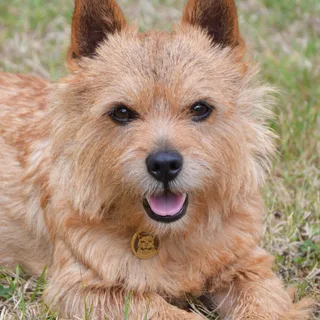
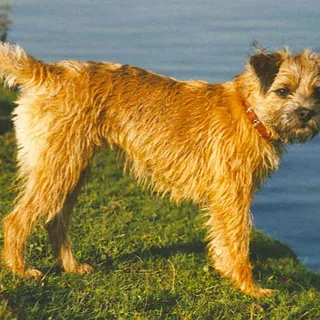
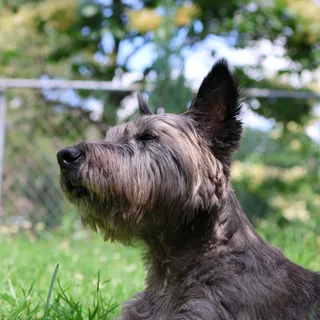
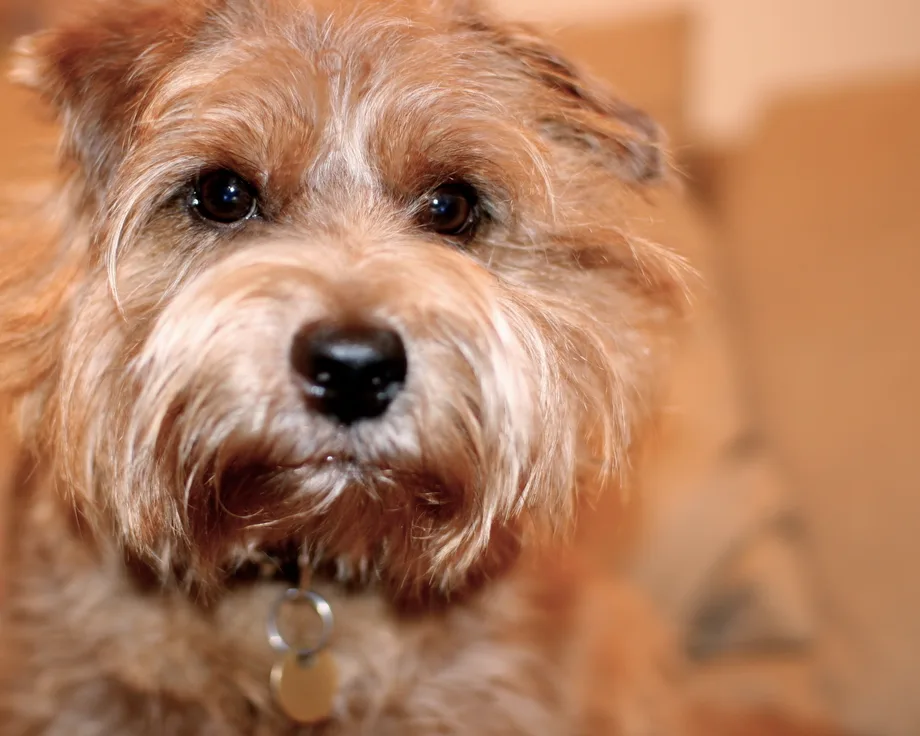
The Norfolk Terrier is one of the smallest terriers, but also one of the most solidly built. Compact, low to the ground and well-boned, it has a cobby body, a short back and a well-sprung chest. Its head is broad and moderately rounded, its eyes are oval and dark, and its V-shaped ears fall forward against the cheeks. Its harsh, straight coat comes notably in wheaten, red, black and tan or grizzled.
Temperament
Temperament and personality
Lively, courageous and energetic, the Norfolk Terrier is an affectionate companion who remains very attached to his family. Sociable without being timid, he retains a true terrier temperament with a good dose of confidence and a hunting instinct that is still very much present. He enjoys human company and is often pleasant to live with when he is sufficiently stimulated.
Living together
Living with children and other pets
The Norfolk Terrier tolerates apartment living fairly well if its exercise needs are truly met on a daily basis. Active and alert, it likes to explore, play and take part in family life. It cohabits rather well with its fellow dogs, but its interest in small animals can lead to chases if it has not learned very early to control itself.
Training
Training and socialization
Its training must be early, consistent and positive. The Norfolk Terrier understands quickly, but its terrier temperament can make it a little independent depending on the situations. Careful socialization, a clear framework and short but regular sessions make it possible to obtain a balanced, attentive and pleasant dog on a daily basis.
Budget
Price and budget for the Norfolk Terrier
The Norfolk Terrier remains a relatively rare breed, which influences its price level. The acquisition cost depends mainly on the seriousness of the selection, the quality of breeding follow-up, and the availability of litters.
See cost breakdownHealth
Health at a glance
The Norfolk Terrier is generally a small, sturdy and fairly hardy dog, notably against the cold thanks to its harsh and dense coat. Like many breeds selected over a long period, it is however not free from certain hereditary predispositions that justify serious veterinary monitoring and a rigorous breeding choice.
Prevention and things to watch forNutrition
Feeding your pet well
The Norfolk Terrier needs a complete, digestible diet adapted to small active dogs. Protein quality, control of energy intake and regular meals matter more than volume alone.
Our feeding adviceDid you know?
Fun facts and popularity
The Norfolk Terrier was long considered a simple variety of the Norwich Terrier. The most visible difference between the two breeds lies in the position of the ears: drooping in the Norfolk Terrier, erect in the Norwich Terrier. Despite its small size, it retains the courage and tenacity of British working terriers.