Origins
Where does it come from?
The German Spitz is considered one of the oldest breeds in Central Europe. It descends from the peat bog dogs of the Stone Age and the dogs of the lake-dwelling settlements, and it contributed to the origin of several other European breeds. Medium-sized subjects were long used as herding dogs, while the large and very small varieties developed later. Final recognition by the FCI dates from 1957.
Appearance
What does it look like?
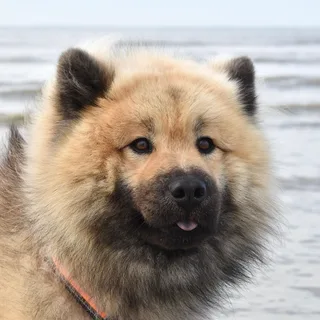
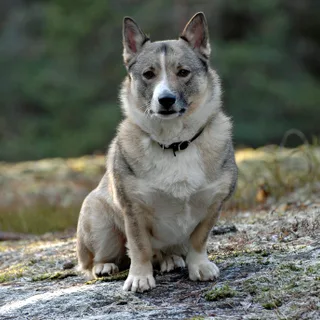
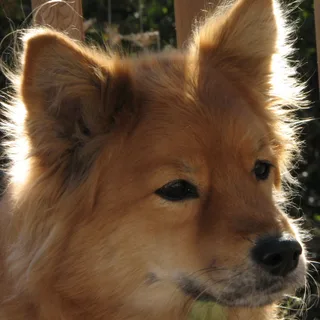
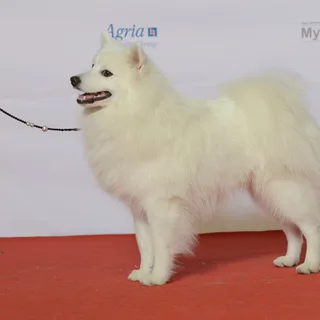
The German Spitz stands out for its compact silhouette, its fox-shaped head, its small erect ears and its bushy tail curled over the back. Its coat is long, straight and well separated, with a short, thick and silky undercoat. An abundant ruff around the neck and well-furnished fringes enhance its elegant and expressive appearance.
Temperament
Temperament and personality
Alert, lively and attentive, the German Spitz is extremely attached to its owner. It is generally affectionate with its family, wary without aggression towards strangers and not very inclined to hunt. Its alert temperament makes it a good watchdog, with a strong tendency to signal what surrounds it by voice.
Living together
Living with children and other pets
The German Spitz likes to share the daily life of those close to him and tolerates solitude more or less well depending on the individual and the education received. He enjoys play, interactions and regular outings. Well suited to family life and often to apartment living, he remains more fulfilled if his needs for stimulation, exercise and presence are respected.
Training
Training and socialization
The German Spitz is receptive and likes to please, which makes his learning easier with consistent, gentle and regular training. He benefits from being socialized young and from learning very early to channel his vocalizations. Short, positive and varied sessions suit his lively temperament well.
Budget
Price and budget for the German Spitz
The purchase price of the German Spitz varies mainly depending on the size variety, the quality of the lineage, the seriousness of the breeding and the location. A realistic budget must also include coat maintenance, routine care and the initial equipment.
See cost breakdownHealth
Health at a glance
The German Spitz is generally a robust dog, able to withstand cold and bad weather well thanks to its double coat. Its health nevertheless depends on regular grooming, weight monitoring, and vigilance regarding a few known predispositions depending on the variety.
Prevention and things to watch forNutrition
Feeding your pet well
The diet of the German Spitz must be adjusted to its variety, its age, its activity level and its tendency to gain weight. A good-quality complete food, properly portioned, helps support its energy, coat quality and overall health.
Our feeding adviceDid you know?
Fun facts and popularity
The German Spitz includes several size varieties, from the Wolfspitz to the Miniature Spitz also called Pomeranian. In popular culture, Gidget in The Secret Life of Pets is a Pomeranian, and Queequeg in The X-Files was also a small Spitz. This family of dogs is recognizable among all thanks to its ruff and its plumed tail.