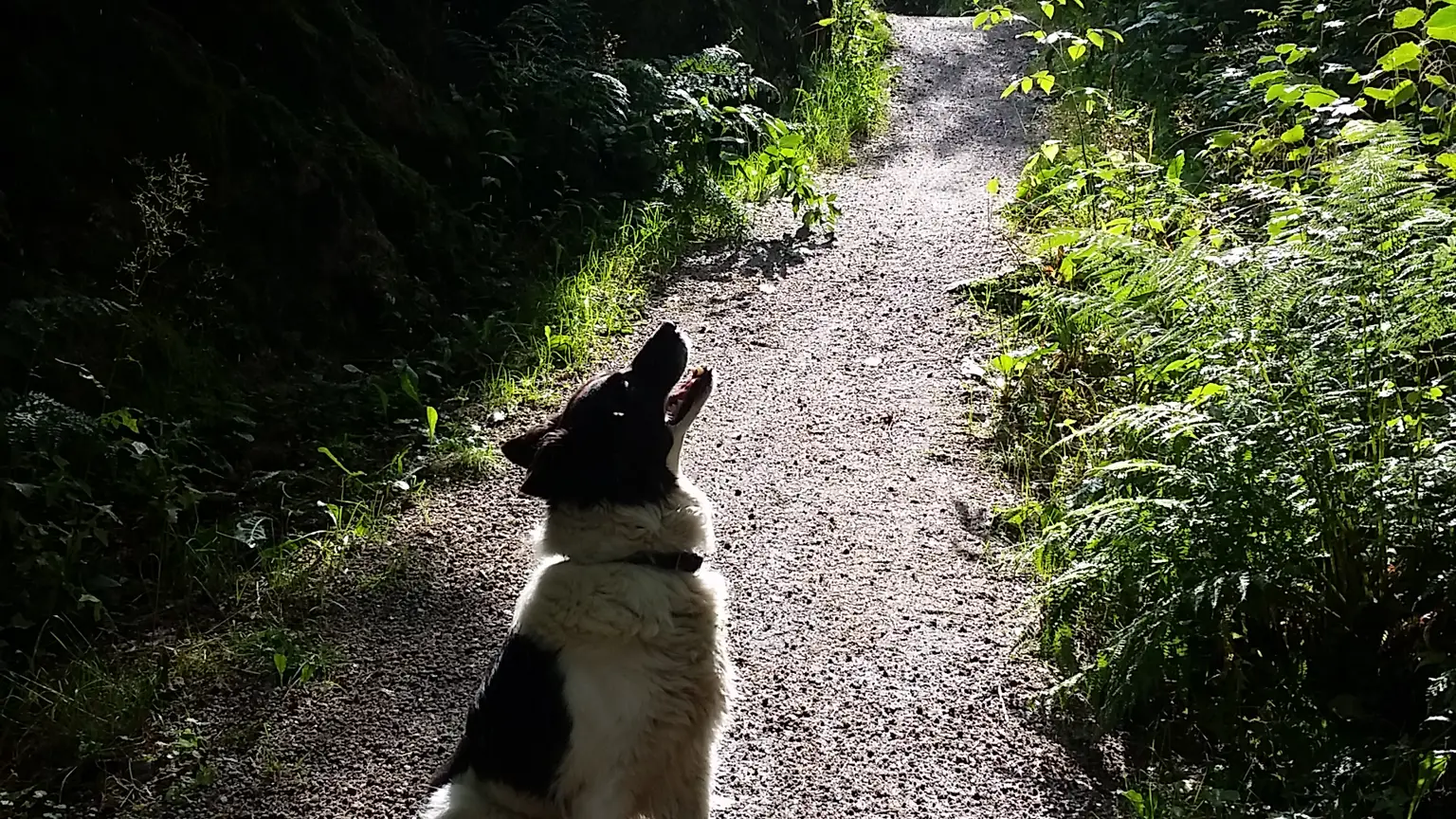
Visiting a breeding facility is meant to see what messages don’t show. You observe the place, the adults, the young, and the way the breeder talks about their work. A nice listing doesn’t replace an hour on site.
This checklist applies to a dog breeding facility as well as to a cattery. Adapt it to the breed, for example a very active Border Collie or a Maine Coon with a long growth period. The principle remains the same: look, take notes, don’t sign under pressure.
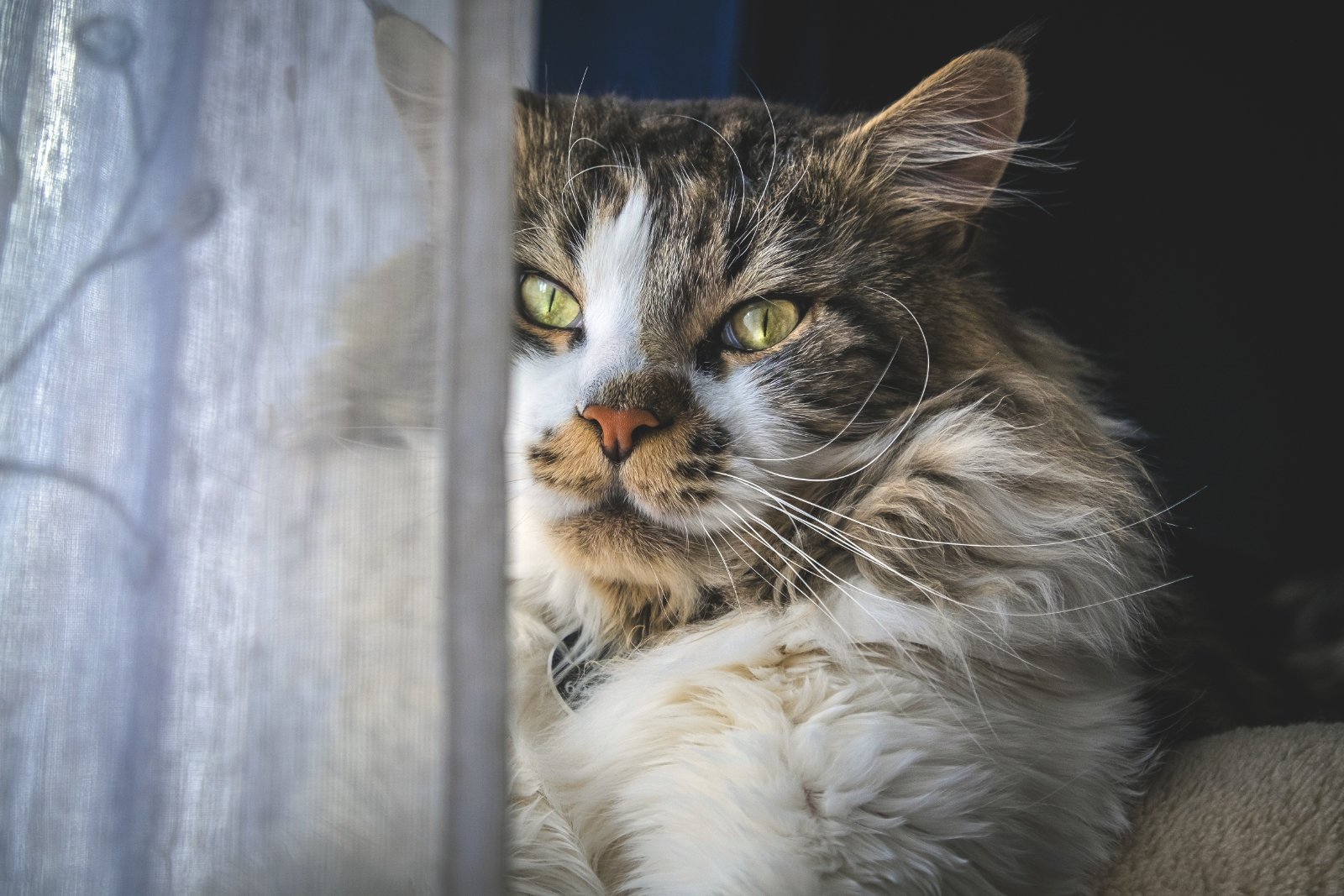
Before you go
Confirm the address, the time, and what you will be able to see. Ask whether the mother is present, whether the young can be visited, and whether there are any hygiene instructions. Arrive without any other animal. Avoid strong perfumes. Bring something to take notes.
Review your questions. You’re not taking an exam. You’re coming to understand a daily routine. If the breeder imposes a visit that’s too short or only in an isolated room, ask why. A health constraint may exist. It must be explained.
The living area
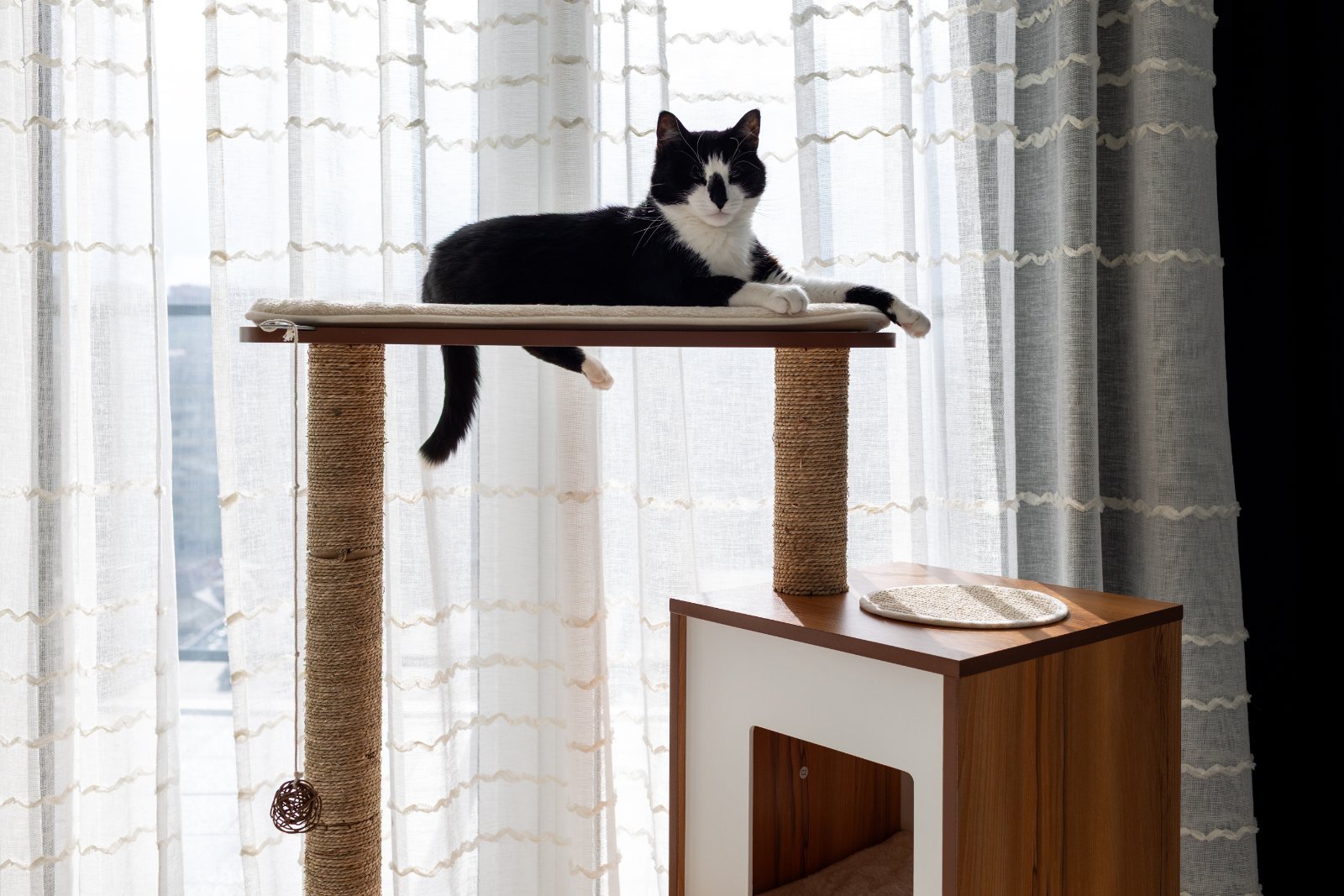
First look at the space: light, ventilation, cleanliness, water points, rest areas, possibilities to withdraw. With dogs, observe the outings, the floors, the noise. With cats, observe the heights, hiding places, litter boxes and scratching posts.
Smell tells you quickly. A persistent ammonia smell, empty or dirty bowls, a sticky floor, or the absence of shelter are signals to take seriously. A living breeding facility is not a showroom. It must remain readable and maintained.
- Do the animals have clean water?
- Can they move away from visitors?
- Does the place match what was described?
- Do you see other animals that are sick, isolated without explanation, or in obvious overcrowding?
The adults, especially the mother
Ask to see the mother of the litter. Observe her body condition, her behavior toward the breeder and toward you. A mother who is exhausted, very fearful, or aggressive without context deserves a discussion. The breeder can explain a temperament, an ongoing weaning, a temporary separation.
The other adults matter too. If they are approachable, indifferent, or panicked, you learn about socialization and the setting. You’re not judging a show. You’re judging a living environment. If the father isn’t there, ask for his documents and his lineage rather than a vague anecdote.

Puppies or kittens
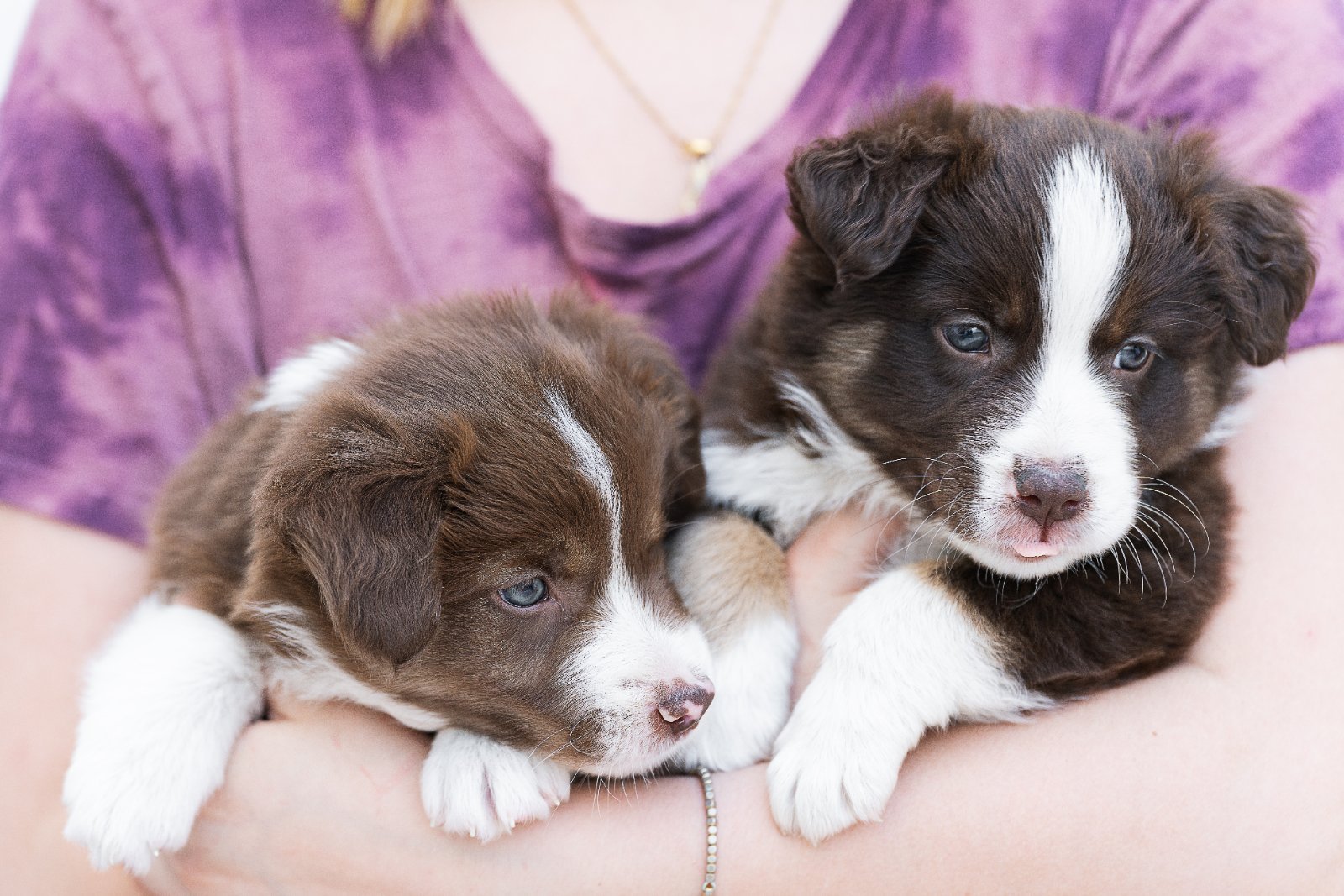
Look at the group: alertness, play, ability to sleep, reaction to your arrival. A young one that approaches, observes, then goes back to its siblings is often more reassuring than a young one that is frozen or overexcited without a break. Don’t force contact. Let them come.
Ask the age, the number of young remaining, what has already been started (identification, crate habituation, handling). Also ask how the breeder chooses the puppy or kitten for a home. A choice based only on “photo gut feeling” is fragile.
Hygiene and organization
Without playing inspector, note the organization: feeding areas, litter boxes or outings, management of visits, possible separation of a tired animal. A breeding facility can be simple. It must not be chaotic. Ask about the protocol if several litters follow one another.
With cats, the number of litter boxes and their condition are immediately visible. With dogs, too many droppings in the puppies’ living space as well. It’s not a question of luxury. It’s a question of comfort and environmental health.
Documents to ask for on site
Use the visit to see documents, not just hear about them. Identification, LOF or LOOF origin status, standard transfer certificate, screening results of the breeding animals if the breeder highlights them. Photograph only what they allow.
If a paper isn’t available yet, note the reason and the timeframe. Then reread calmly. The visit is also used to check that what was said in the first message matches reality. A minor discrepancy can be explained. A discrepancy in the documents, no.
Questions to ask before leaving
Ask the age at handover, the current diet, the follow-up offered after transfer, and what happens if a planned young one is no longer available. Also ask how to reach the breeder in the first weeks. Clear follow-up is a good sign, even if it remains informal.
Don’t pay a deposit in the rush of the visit. Going home, comparing, talking about it at home is part of a serious choice. If the breeder refuses any time to think, stop. Other breeding facilities exist, visible via the breeder list.
Frequently asked questions
Is an outdoor-only visit enough?
Not always. A garden or a parking lot doesn’t show the sleeping area or the daily routine. Ask to see the real living space of the young and the mother, while respecting the breeding facility’s health instructions.
What to do if an animal looks sick?
Don’t make a diagnosis. Ask the breeder what’s going on and whether the animal is being monitored. If the answer is evasive and several animals show the same worrying appearance, don’t reserve. Then talk about it with your veterinarian for your own project, not to accuse.
Can you visit with children?
Yes if the breeder agrees and if the children are supervised. The visit is not a playground. Explain to them that we observe, we don’t run, and we don’t force any contact.
Common mistakes
- Focusing only on the most photogenic puppy or kitten.
- Forgetting to see the mother.
- Paying a deposit before rereading the documents.
Key takeaways
On the topic “What to check when visiting a breeding facility”, three reflexes are enough: visit, read the documents, decide without pressure. Then connect your project to concrete pages, for example border collie, maine coon, then compare the facilities on the breeder search. A considered choice is also judged after the handover, when daily life begins.
Keep a written record of the answers, the paperwork timeframes, and the identification. If a point remains unclear, ask for clarification before paying a deposit. It’s better to wait for another litter than to force an incomplete file.
Also prepare the home: real rhythm, other animals, available time, first veterinary appointment. The breeder can tell you the current diet and the habits already established. Your veterinarian remains the point of contact for medical follow-up. This separation of roles avoids misunderstandings.
Finally, reread the transfer certificate calmly. Check that the name, the identification, and the origin status match the animal handed over. A discrepancy is discussed right away, not three weeks later. This simple reflex protects both the buyer and the serious breeding facility.
How to use this guide
Write down the questions that really concern your project, then tick them off during the visit. Keep the answers written down. Reread them the next day, with a clear head. A detail that seemed secondary on site sometimes becomes the decisive criterion once you’re back home.
If you hesitate between two breeding facilities, compare only facts: documents shown, living area, clarity of follow-up, consistency between the first message and the visit. The rest is noise. You can also reread the breed page to check that your daily life still matches the adult dog or cat, not only the young one from the litter.
Pedibase is used to connect a breed to breeding facilities you can visit. Use it to prepare contact, not to replace the visit. No web page can perceive the smell of a room, the behavior of a mother, or the readability of an original document.