
Choose a breederAugust 28, 2026· 7 min read
How to choose a dog breeder
Concrete criteria for choosing a dog breeder: visit, LOF papers, socialization, and questions to ask before reserving a puppy.
By Pedibase
Concrete criteria for choosing a dog breeder: visit, LOF papers, socialization, and questions to ask before reserving a puppy.
By Pedibase

Choosing a dog breeder isn’t about comparing photos. It’s about checking a breeding method, a selection process, and the way the puppy is handed over. A serious breeder gives you time to understand. They don’t push you to reserve within the hour.
This guide helps you ask useful questions, read the documents, and decide without relying only on labels. It applies as much to a Labrador Retriever as to a Golden Retriever or a German Shepherd. The breed changes the profile. It does not replace the seriousness of the breeding operation.

You’re not looking for “the best breeding kennel in France”. That phrase doesn’t mean anything. You’re looking for a breeder who knows their breed, who selects breeding dogs suited to a companion or working project, and who socializes puppies in a stable setting.
A good starting criterion: the breeder talks to you about the adult dog you’re going to live with, not only the eight-week-old puppy. They describe exercise needs, shedding, noise, temperament, points to watch in the line. They also tell you who the breed is not suitable for. This honesty is worth more than an overly polished pitch.
Start by searching for breeders of the breed you’re interested in, then contact several operations. On Pedibase, browse the breed pages then the list of breeders. Note those who clearly indicate their breeds, their location, and a way to contact them.
Immediately rule out ads that promise all colors, all sizes, and immediate delivery without a visit. Also beware of intermediaries who never show the parents or the living place. A breeding operation can be small. It must remain visitable and traceable.
The first exchange is used to check consistency. A serious breeder asks you as many questions as they receive. They want to know your housing, your routine, the presence of children or other animals, and the time you can devote to training.
Ask the number of breeds raised and for how long, the frequency of litters for the females concerned, visiting conditions, the age at handover, the documents provided on the day of transfer, and the screenings carried out on the breeding dogs depending on the breed. You need precise answers, not a novel.
If the breeder stays vague about the place, the parents, or the paperwork, move on to another contact. Silence on the essentials is not discretion. It’s a lack of traceability. Also note the response time: a busy breeding operation may reply later, but it replies.
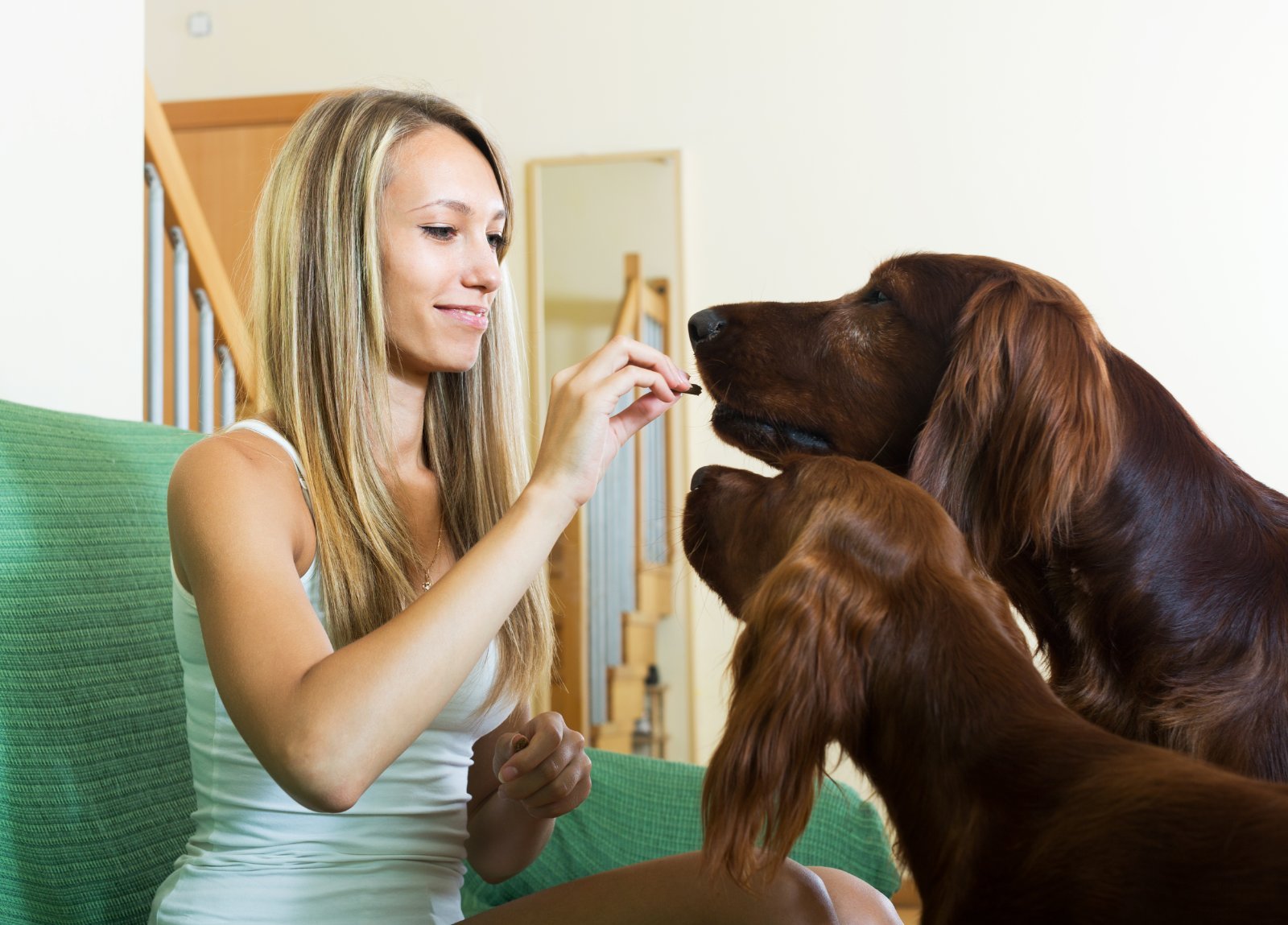
An on-site visit remains the best filter. You see how the adults and puppies live. You observe cleanliness, smell, noise, the dogs’ behavior toward the breeder and toward you. Take your time. A quick visit is useless.
The puppies must be able to interact, withdraw, and explore. A litter that is overstimulated continuously is not more socialized. A litter isolated from everyday family life is often too little. You’re looking for a clear living environment, with regular human contact and breaks.
Ask to see the mother. Her behavior matters as much as her standard. A fearful, aggressive female, or one totally absent from the place, deserves an explanation. The father is not always on site: the breeder must then be able to talk about him, his line, and the associated documents.
In France, a sold puppy must be identified. For a purebred dog intended for registration in the Livre des Origines Français, the breeder must be able to explain the LOF status of the litter and the documents you will receive. The LOF is not a certificate of superior quality. It is an origin register managed with the Société Centrale Canine.
On the day of handover, you must leave with a transfer certificate, identification information, and the health documents already completed. If a document arrives later, the breeder must tell you which one, why, and within what timeframe. An oral promise is not enough.
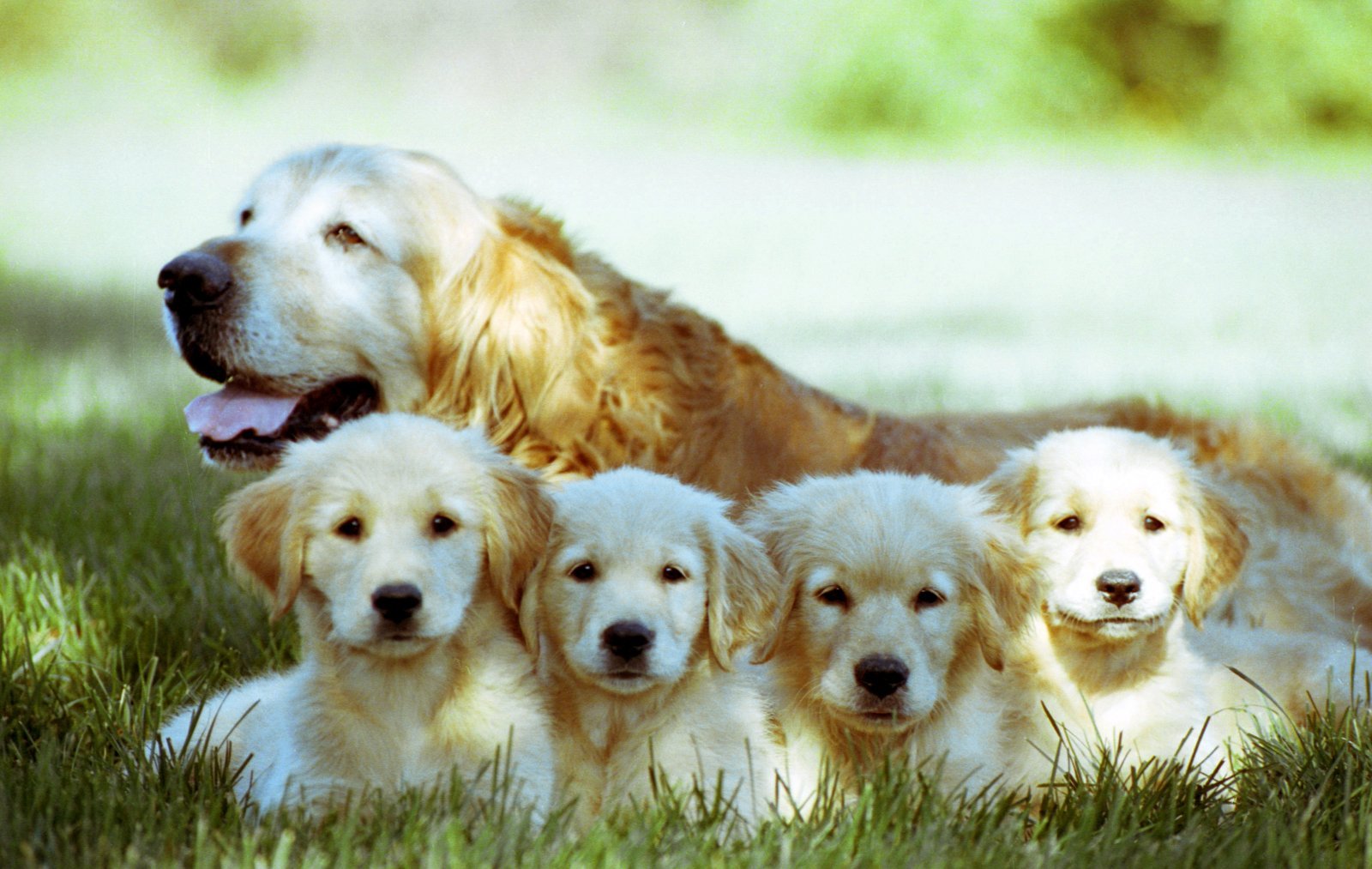
You’re not there to make a diagnosis. You’re there to know what has been checked on the breeding dogs. Depending on the breed, this may concern hips, elbows, eyes, or targeted genetic tests. The breeder must be able to show results, not just claim that everything is tested.
In heavy or very active breeds, like the Labrador or the German Shepherd, joint screenings often come up in the discussion. In other breeds, the topic changes. What matters is that the breeder links the tests to their line, without selling you a total absence of risk. No breeding operation eliminates biological chance.
Ask how the puppies are accustomed to noises, handling, short isolation, different surfaces, and the car. The departure age is discussed with the breeder and, if needed, with your veterinarian. Don’t force an overly early handover to get the puppy sooner.
Ask the breeder for the price. Don’t rely on an average read elsewhere: the price depends on the breed, the line, the tests, the follow-up, and the region. A very low price is not an argument. A high price is not proof. If a deposit is requested, have it confirmed in writing, with the cancellation conditions and the promised documents.
Compare two or three breeding operations, not twenty. A reassuring breeder accepts your questions, shows the living place, and remains reachable after the transfer. The warning signs are simple: artificial urgency, choice based only on photos, invisible mother, vague documents. To continue, read our pages on the breeding visit and LOF verification, then use the breeder search.

The LOF traces the origin of a purebred dog. It does not, by itself, say how the puppy lived or how the breeding dogs were chosen. Use it as a document to understand, not as a single pass.
It’s risky. Without a visit, you see neither the place, nor the mother, nor the litter’s behavior. If the distance is real, arrange at minimum a video call on site and a visit before the handover.
Go back over the documents shown, the clarity of the answers, and what you saw on site. Your feeling matters, but it does not replace traceability. Also keep the criterion of follow-up after transfer.
On the topic “How to choose a dog breeder”, three reflexes are enough: visit, read the documents, decide without pressure. Then link your project to concrete pages, for example labrador retriever, golden retriever, german shepherd, then compare the operations on the breeder search. A considered choice is also judged after the handover, when everyday life begins.
Keep a written record of the answers, paperwork timelines, and identification. If a point remains unclear, ask for clarification before paying a deposit. It’s better to wait for another litter than to force an incomplete file.
Also prepare the household: real routine, other animals, available time, first veterinary appointment. The breeder can tell you the current diet and the habits already established. Your veterinarian remains the point of contact for medical follow-up. This separation of roles avoids misunderstandings.
Finally, reread the transfer certificate calmly. Check that the name, identification, and origin status match the animal handed over. A discrepancy is discussed right away, not three weeks later. This simple reflex protects both the buyer and the serious breeding operation.
Discover the full pages for the breeds mentioned in this article.

How to choose a purebred cat breeder: questions, visit, LOOF documents, kitten socialization, and points to watch before booking.

How to check a LOF or LOOF breeder: pedigree documents, identification, consistency of paperwork, and questions to ask before buying a puppy or…

Practical checklist for visiting a dog or cat breeding facility: living environment, mother, puppies or kittens, documents, hygiene, and questions to ask on site.


