Necessary cookies keep the site running. Google Analytics and Microsoft Clarity are enabled only with your consent; anonymous, cookieless analytics (Umami) remain active. Privacy policy.
Searches for GPS dog collars remain high in France, with peaks in summer and autumn. What it really changes, what it does not replace, and for which dogs it makes sense.
By Pedibase
GPS collars for dogs generate steady search interest in France, with seasonal peaks often observed in summer and autumn — periods when walks get longer and escapes cause more concern. Before buying a tracker, you need to know what it provides… and what it never replaces.
What a GPS collar is for
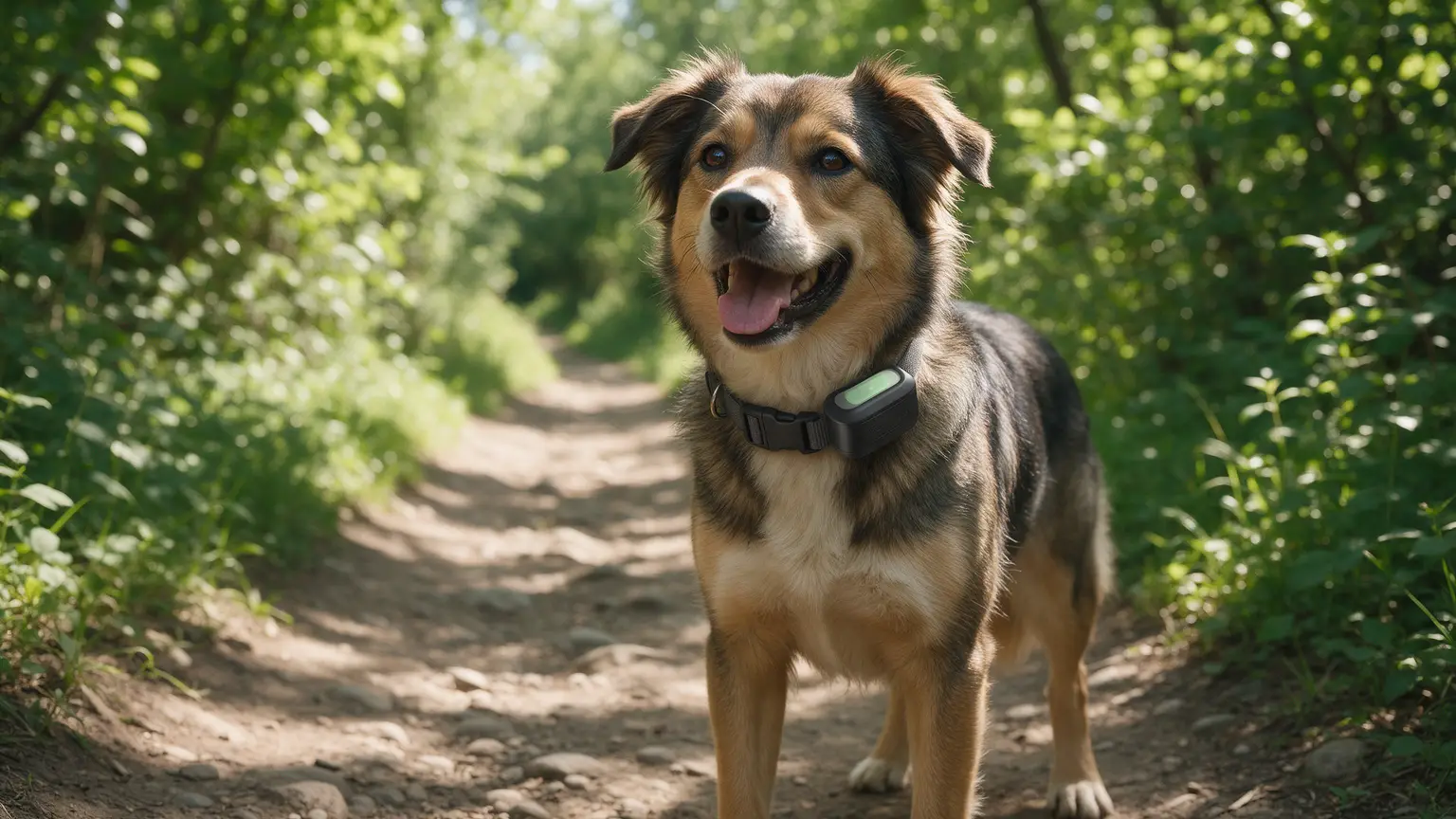
A GPS collar (or tracker attached to the collar) allows the dog to be located in real time via an app, sometimes with a virtual fence, route history or activity tracking. For breeds with a strong chasing or escape instinct — Australian Shepherd, Malinois, Border Collie — or for outings in the forest and countryside, it is a useful safety net.
What GPS does not replace
In France, identification (microchip or tattoo) remains mandatory and essential for finding an animal. GPS can be lost, removed or out of network range: it is not a legal substitute. Pedibase covers the subject in detail in the guide Puppy and kitten identification (I-CAD).
Subscription, battery life, dead zones
Most consumer models rely on the mobile network and a monthly subscription. This should be budgeted for from the outset. Battery life varies depending on “live” mode; in forests or mountains, accuracy and coverage may decrease. A subscription-free model (Bluetooth / limited network) is mainly suitable as a backup, not for a real escape artist.
Where to find a GPS collar
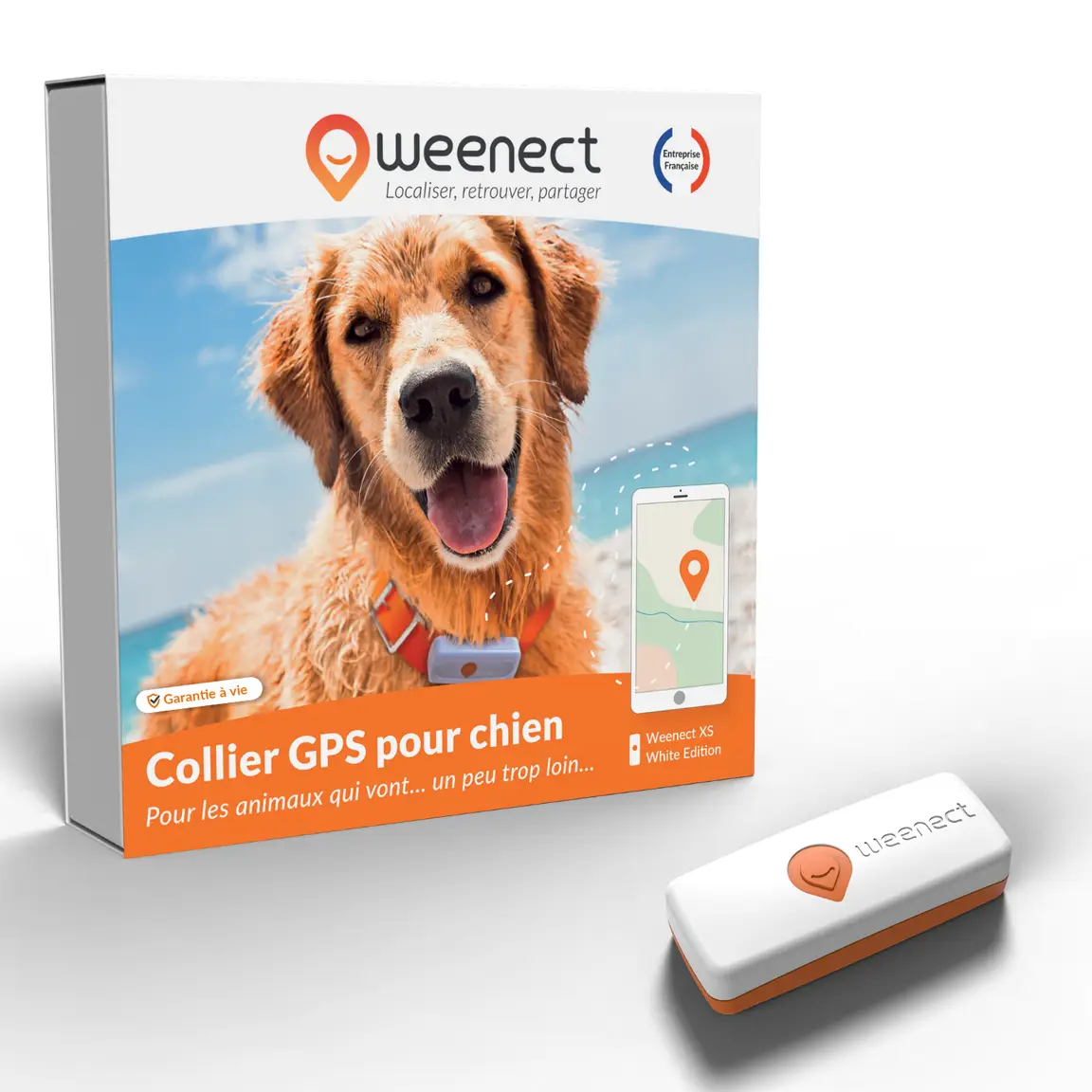
To compare specific models, the selection GPS dog collar on Auberdog brings together several trackers, for example the Weenect XS, the Weenect XT or the Kippy. Check the device weight, battery life and subscription before buying.
Who it really makes sense for
Dogs that escape easily or chase game
Owners in houses with gardens that are not perfectly enclosed
Hiking, travel, care by third parties
Less of a priority for a calm apartment dog with a reliable recall
The GPS collar is a trendy and often sought-after addition to safety, not an obligation or a replacement for the microchip. Especially useful for active or escape-prone dogs; there is no need to overvalue it if recall, fencing and identification are already solid.
Breeds related to this article
Explore full listings for the breeds mentioned in this article.