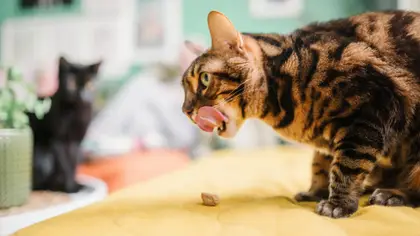
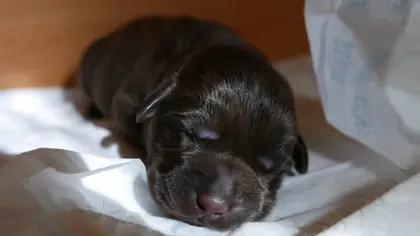
In France, a puppy or kitten that is transferred must be identified. Identification links an animal to a responsible person, via a national file. I-CAD manages the Identification of Domestic Carnivores. This is not a pedigree. This is not a breed certificate. It is traceability of the animal.
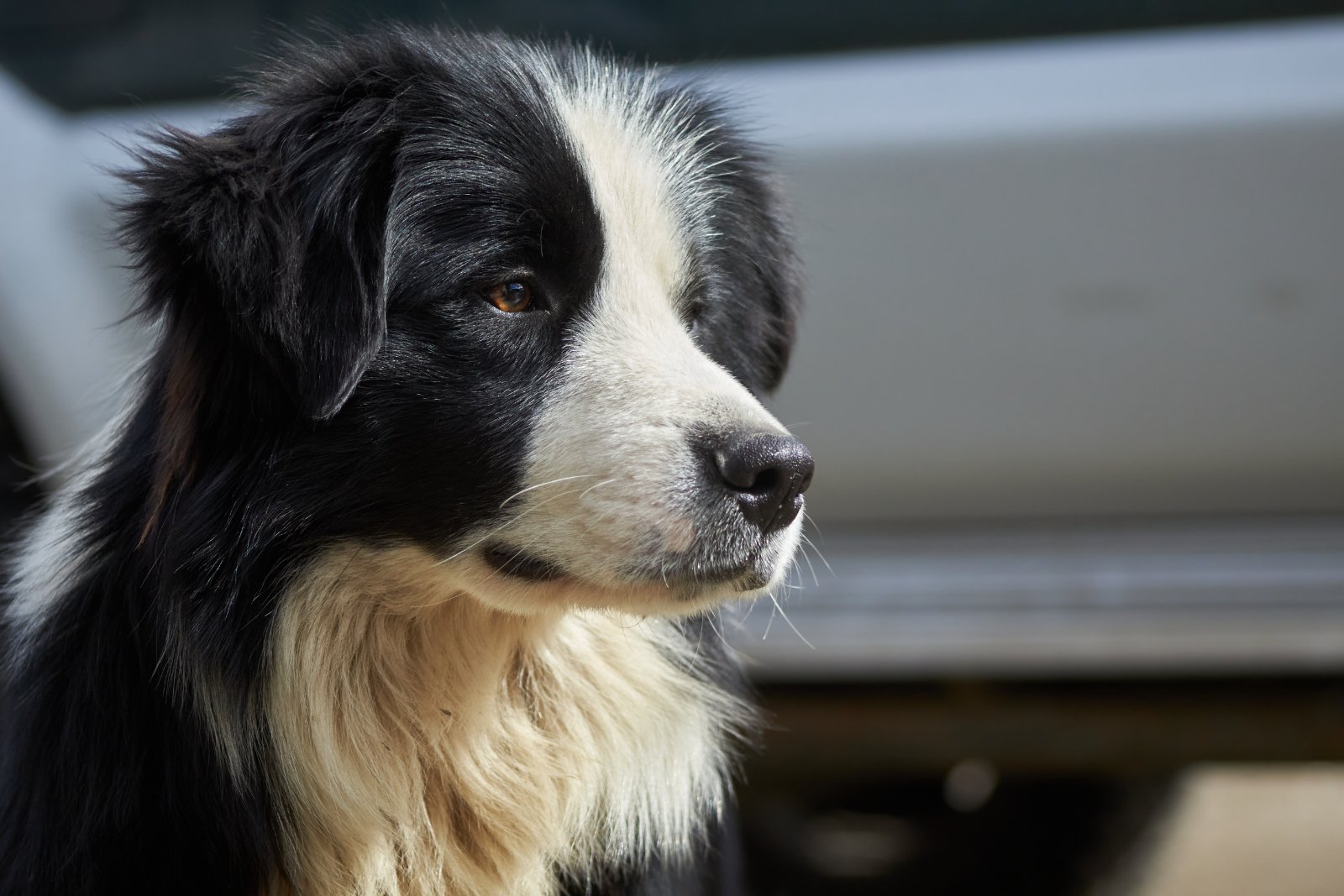
Whether you are welcoming a Border Collie or a British Shorthair, the reflex is the same on the day of handover: check that the identification number matches the animal, and that the transfer certificate bears the correct information.

What identification is for
Identification makes it possible to find a lost animal, to clarify who is responsible, and to link documents to an individual. Without it, a transfer contract refers to an animal that is difficult to distinguish from another. With it, you have a number to enter everywhere.
It does not say whether the animal is LOF or LOOF. It does not say whether it is in good health. It does not replace veterinary follow-up. It only states: this animal is registered, and someone is responsible for it. That is already a lot to avoid grey areas.
What you see on the day of the transfer
The breeder, or the transferor, must give you the identification elements. Ask to see the number and the medium: document, card, mention on the transfer certificate. The number must be legible. If it is handwritten in a questionable way, ask right away.
Your veterinarian will be able to read the chip. It is not up to you to improvise a technical inspection. Your role, on the day, is to check the consistency of the paperwork and keep a copy. If identification has not been done, do not improvise a transfer “we’ll do it later” without a clear written framework.

Chip, tattoo, current habits
The electronic chip is the usual method today. A tattoo may exist on an older animal. For a young animal from a breeding, talk concretely about the chip with the breeder and your veterinarian. Do not pit the two against each other like a forum debate. Ask what has been done on this specific animal.
Placement and registration are the responsibility of an authorized professional. You do not have to “register an invented number yourself”. You have to keep the document, then follow the procedures for changing the responsible person if they were not done the same day. The breeder must tell you where the file stands.

Change of responsible person and updates
Identification is only useful if the responsible person is up to date. After a transfer, the file must reflect the new home. Ask who triggers this update, and with which documents. Keep the transfer certificate. It serves as proof of transfer.
Later, if you move, if your phone changes, update the contact details. A lost animal with an active number and an old mobile number becomes difficult to return again. This simple step is part of the dog’s or cat’s life, not only the day of purchase.
Link with LOF, LOOF and transfer certificate
The transfer certificate, identification and the origin document are three layers. They intersect. They do not replace each other. A young LOF or LOOF animal that is not identifiable is not a complete file. A young identified animal without origin is not for all that “of registered breed”.
When you compare breeders on the breeder list, ask the identification question as early as the registry one. A clear breeder answers in one sentence: already done, date, document provided. A breeder who is vague on this point will often be vague on the rest.
Frequently asked questions
Is I-CAD a breed registry?
No. I-CAD concerns the identification of domestic carnivores. LOF and LOOF concern the origin of a purebred dog or cat. Both can exist on the same animal. They do not tell the same story.
Can I take the young animal without an identification document?
That is not a sound basis. The transfer of a puppy or kitten comes with identification. If something is missing, have what remains to be done written down, by whom, and when. Otherwise, you leave with an animal that is not very traceable.
What to do if the number on the paper does not match?
Stop. Ask for an explanation and a reread. A discrepancy can be a copying error. Several discrepancies, or a document in the name of another animal, must interrupt the handover. Your veterinarian can read the chip afterwards, but the doubt is cleared up before paying the balance.
Common mistakes
- Believing that the pedigree replaces identification.
- Leaving without a copy of the transfer certificate.
- Forgetting to update contact details after a move.
Key takeaways
On the topic “Identification du chiot et du chaton (I-CAD)”, three reflexes are enough: visit, read the documents, decide without pressure. Then link your project to concrete pages, for example border collie, british shorthair, then compare the structures on the breeder search. A considered choice is also judged after the handover, when everyday life begins.
Keep a written record of the answers, the paperwork timelines and the identification. If a point remains unclear, ask for clarification before paying a deposit. It is better to wait for another litter than to force an incomplete file.
Also prepare the home: real rhythm, other animals, available time, first veterinary appointment. The breeder can tell you the current diet and the habits already established. Your veterinarian remains the contact for medical follow-up. This separation of roles avoids misunderstandings.
Finally, reread the transfer certificate calmly. Check that the name, the identification and the origin status match the animal handed over. A discrepancy is discussed right away, not three weeks later. This simple reflex protects both the buyer and the serious breeder.
How to use this guide
Write down the questions that really concern your project, then tick them off during the visit. Keep the answers in writing. Reread them the next day, with a rested mind. A detail that seemed secondary on site sometimes becomes the decisive criterion once you are back home.
If you hesitate between two breeders, compare only facts: documents shown, living place, clarity of follow-up, consistency between the first message and the visit. The rest is noise. You can also reread the breed sheet to check that your daily life still matches the adult dog or cat, not only the young animal from the litter.
Pedibase is used to link a breed to breeders you can visit. Use it to prepare contact, not to replace the visit. No web page can see the smell of a facility, the behavior of a mother, or the legibility of an original document.
Before deciding
Go over your notes one night later. Check that the rhythm of your home still matches the adult animal, not only the young one seen on the day of the visit. Reread the photographed documents. A detail read incorrectly is easier to correct before the deposit.
If a single answer remains unclear — identification, origin, breeder health screenings, age at handover — send a written message again. A clear answer closes the subject. An answer that backs away once again is often enough to choose another breeder.
Also keep a plan B: another litter, another month, another breeder. This plan B avoids forcing a file out of impatience. The right moment is when the papers, the place and your daily life align, not when an ad says “last available”.