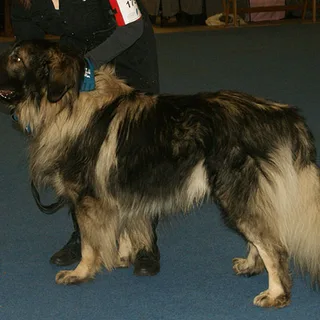
A menu for every age
Needs change over time
Puppy : Choose a formula for large breeds, divide the ration into three meals then two, and avoid any growth that is too rapid.
Adult : Adjust two daily meals to the activity level and maintain an athletic silhouette.
Senior : Reduce energy intake if activity decreases and favor an easily digestible formula with monitoring of weight and joints.
Which food?
Kibble, wet food, or home-cooked diet?
A complete, quality diet for a large-format dog, rich in digestible animal proteins and properly balanced in fats, minerals and vitamins, is generally suitable. During growth, a specific formula for large-breed puppies helps control the rate of bone development.
Amounts
How much should you give?
The daily amount must be calculated according to actual weight, activity and the energy density of the food, then reassessed by observing the silhouette. In adults, it is preferable to split the ration into two meals to limit large intakes.
| Weight | Daily amount | Meals/day |
|---|---|---|
| 25 - 30 kg | 300 - 380 g | 2 |
| 31 - 36 kg | 360 - 450 g | 2 |
| 37 - 42 kg | 420 - 520 g | 2 |
Change
Managing the food transition
Any change of food must be gradual over about a week, increasing the proportion of the new food in stages in order to limit digestive upsets. A slower transition may be necessary for a sensitive dog.
Hydration
Water: do not overlook it
Fresh, clean water must remain accessible at all times, especially after exertion and in hot weather. When traveling or during prolonged activity, regular breaks help prevent dehydration.
Little extras
Treats, in moderation
Treats are useful for training but must remain small, low in fat and represent a small part of the daily intake. Pieces of its ration can be used as rewards in order to better control calories.
Good habits
For a top-notch bowl
- Weigh the daily ration rather than estimating it by eye.
- Split the adult's food into two meals.
- Avoid intense exercise just before and after the meal.
- Regularly check the ribs and waist to adjust portions.
- Ask the veterinarian for advice during growth or in case of a weight change.
Never give
Chocolate, grapes and raisins, onion, garlic in large quantities, xylitol, alcohol, caffeine, macadamia nuts and cooked bones must be avoided, as they can cause poisoning, digestive lesions or obstruction. Any suspicious food should lead to quickly contacting a veterinarian.