Origins
Where does it come from?
Descendant of the ancient dogs of the Caucasus, the Caucasian Shepherd Dog was traditionally used in Russia and in neighboring regions to drive and protect herds, watch over homes and defend families. Its power, endurance and resistance to harsh climates have enabled it to establish itself in these roles. The organized selection of the breed began in the former USSR in the 1920s. The Fédération Cynologique Internationale recognized it in 1984 under number 328, in group 2, and its standard was established in 1985. The breed remains relatively rare in France.
Appearance
What does it look like?
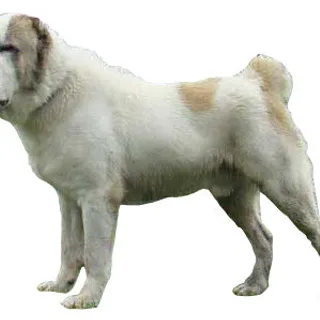
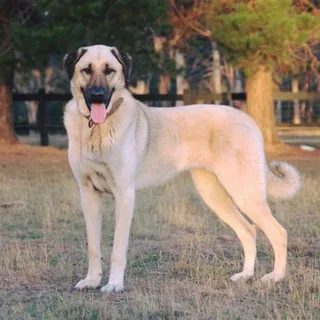
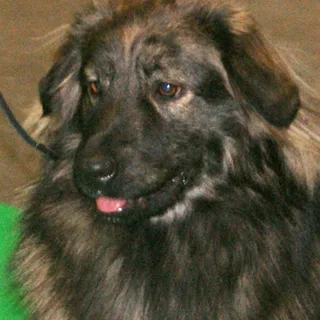
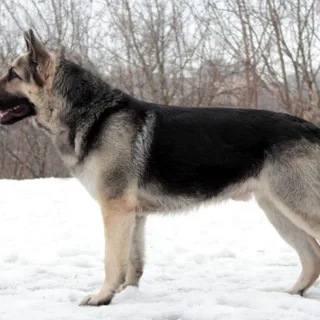
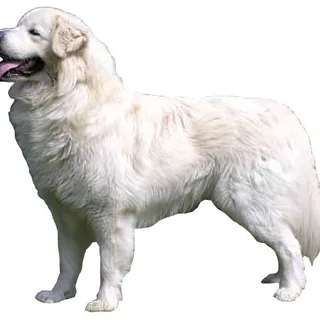
The Caucasian Shepherd is a giant, rustic and massive dog, but harmoniously built. Its broad, muscular and well-proportioned body fits into a rectangle, with a straight back, a short loin and a high chest. Its large and massive head bears drooping triangular ears and oval brown eyes, set obliquely. The tail, set high, is carried above the topline when active. Three types are described: mountain, long-haired with mane and fringes, steppe, more slender and without mane, and intermediate. The most widespread coat is straight, long and coarse, with a very well-developed undercoat. The coat can be solid, piebald or spotted, notably grey, red, straw, red-brown or white.
Temperament
Temperament and personality
Balanced, courageous and very protective, the Caucasian Shepherd Dog is naturally gifted for guarding and defense. He is loyal and deeply attached to his owner, while remaining independent, vigilant and wary of strangers. Calm and measured in his home when properly socialized and trained, he nevertheless has a power and a responsiveness that require responsible handling.
Living together
Living with children and animals
This dog carefully observes its environment and reacts quickly when it considers its territory or its family threatened. It appreciates a calm life in a large and secure space, preferably rural or mountainous. Without being an endurance athlete, it needs long daily walks and regular activities to preserve its balance and limit weight gain. Urban life and apartment living suit it poorly.
Training
Training and socialization
Training must begin very early and combine firmness, consistency, calm and positive methods. Socialization is essential: the puppy must gradually meet people, animals and varied environments in order to moderate its natural wariness. Its independence, defensive instinct and strength make this breed poorly suited to novices. An experienced owner must set consistent rules without brutality and work as a priority on recall, walking on a leash, acceptance of handling and control when faced with visitors.
Budget
Caucasian Shepherd Dog price & budget
The purchase price varies depending on the reputation of the breeding kennel, the quality of the lineage, health screenings, conformity to the standard, the puppy’s socialization and its intended purpose. The relative rarity of the breed in France can also limit supply and increase travel costs.
View cost breakdownHealth
Health at a glance
The Caucasian Shepherd is generally robust and its dense coat effectively protects it from temperature variations. Its very large size nevertheless requires careful monitoring of the musculoskeletal system, the heart, weight and the risk of gastric dilatation-volvulus. Regular prevention and veterinary follow-up adapted to giant dogs help preserve its mobility and quality of life.
Prevention & watch pointsDiet
Feed it well
The diet must meet the needs of a giant dog while strictly controlling energy intake. During growth, the balance between proteins, minerals and calories is essential to support development without excessively accelerating weight gain. In adulthood, the ration depends above all on actual weight, body condition and activity level.
Our feeding adviceDid you know?
Anecdotes and popularity
Also called Caucasian Shepherd Dog or Kavkazkaïa Ovtcharka, this molosser long protected herds, homes and families in the Caucasian regions. Its organized selection began in the former USSR in the 1920s. A litter generally includes between 5 and 11 puppies. The three traditionally described types, mountain, steppe and intermediate, are distinguished mainly by their silhouette and their coat length.