Origins
Where does it come from?
The Central Asian Shepherd Dog is among the oldest canine breeds. It results from more than four millennia of natural selection in a vast territory stretching from the Caspian Sea to China and from the southern Urals to Afghanistan. Extreme climatic conditions, the movements of nomadic tribes and confrontation with large predators have shaped a powerful, hardy and determined dog. It has traditionally protected herds, caravans and dwellings. An organized selection work began in the former Soviet Union during the interwar period, before the definitive recognition of the breed by the Fédération Cynologique Internationale on 25 January 1989.
Appearance
What does it look like?
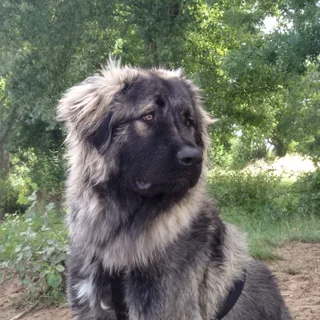
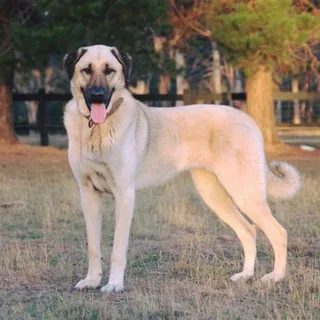
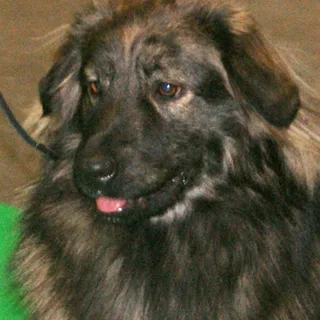
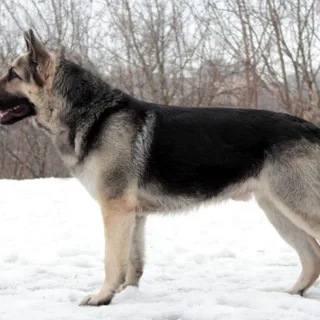
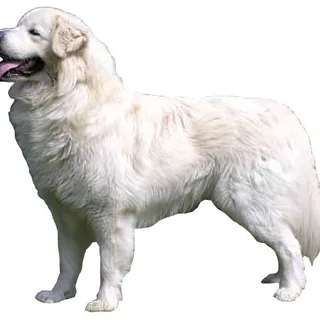
It is a giant dog, massive and harmoniously built, endowed with a strong bone structure and developed musculature without being prominent. The body, slightly longer than tall, shows a marked withers, a straight and broad back as well as a high and ample chest. Its imposing head, almost rectangular, bears a truncated muzzle, powerful jaws and dark eyes expressing confidence and dignity. The triangular ears are set low and pendulous. The straight and coarse coat, 3 to 10 cm long, lies on an abundant undercoat and can form a mane and fringes. All colors are accepted with the exception of blue and brown.
Temperament
Temperament and personality
Full of confidence, proud and courageous, the Central Asian Shepherd is generally calm and well-balanced. Its territorial instinct, its wariness of strangers and its determination in the face of a threat make it a first-rate guardian. Attached to its family, it remains independent and readily takes initiative. Its power, its potential bite and its low tolerance toward unfamiliar animals require responsible handling and particularly careful socialization.
Living together
Living with children and animals
On a daily basis, he observes a lot, conserves his energy and intervenes firmly when he considers his territory threatened. He needs space, long and regular outings as well as opportunities to explore in a secure environment. Apartment living suits him poorly. Meetings with visitors, children and other animals must be supervised, because his protective instinct and his independence can make him not very accommodating without early training.
Training
Training and socialization
His training must begin as soon as the puppy arrives and combine gentleness, firmness, consistency and constancy. Any harsh method must be avoided, as it may exacerbate distrust or defensive reactions. Early and ongoing socialization with people, dogs, cats, places and varied situations is essential. Recall, walking on a leash, acceptance of handling and giving up are priorities. This breed is intended for an experienced, calm person capable of setting fair limits.
Budget
Central Asian Shepherd Dog price & budget
The purchase price depends on the quality of the breeding, the pedigree, the health tests carried out on the breeding dogs, compliance with the standard and the puppy’s intended purpose. The rarity of the breed in France can also influence availability and travel costs.
View cost breakdownHealth
Health at a glance
Rustic and resilient, the Central Asian Shepherd generally benefits from a solid constitution. Its large size nevertheless requires particular attention to the joints, growth, the risk of gastric dilatation-volvulus, and maintaining an appropriate weight.
Prevention & watch pointsDiet
Feed it well
This giant dog needs a complete, digestible diet adapted to its age, weight, activity and body condition. The puppy’s growth must be slow and steady, without excess energy or improvised mineral supplementation.
Our feeding adviceDid you know?
Anecdotes and popularity
Also called Central Asian Ovtcharka or Sredneasiatskaïa Ovtcharka, this dog accompanied nomadic populations for centuries. Its historical territory covers an immense area, which explains the existence of varied local types. The tail was traditionally docked in certain regions of origin, but it remains natural in countries where docking is prohibited.