Origins
Where does it come from?
The Anatolian Shepherd is a very ancient Turkish breed of livestock guardian dog, selected to deter predators and cover long distances on the Anatolian plateaus. It is said to descend from powerful hunting dogs of Mesopotamia. Its characteristics have evolved according to the climate, the sedentary or nomadic way of life and the work required. The Fédération Cynologique Internationale definitively recognized the breed on 6 June 1989.
Appearance
What does it look like?
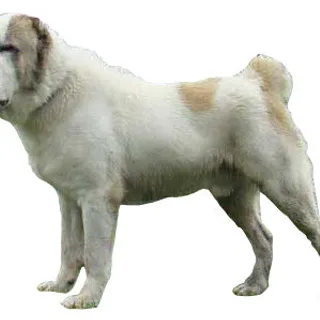
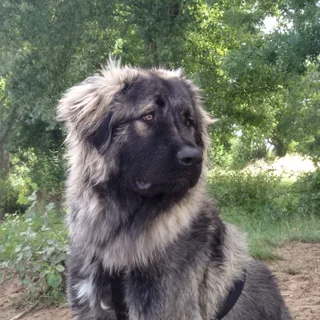
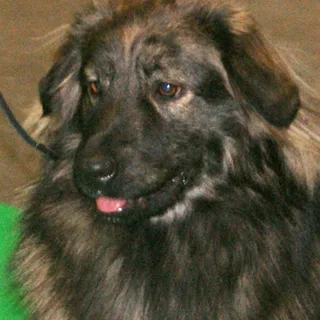
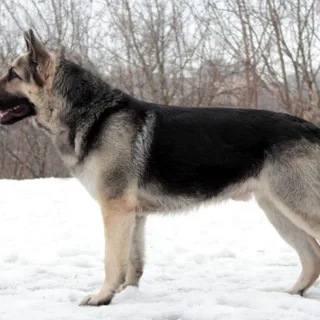
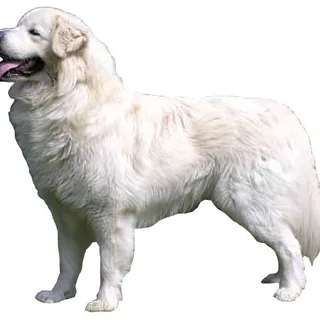
The Anatolian Shepherd is a very large dog, powerful, vigorous and nevertheless fast and elegant. Its strong and fairly broad head remains proportionate to the body, with a slightly domed skull. Its triangular ears with rounded tips hang against the cheeks. Its small, wide-set eyes range from golden to brown. The body is muscular, the back rather short, the chest well let down and the belly tucked up. The tail, set high, reaches the hock and curls over the back when the dog is alert. The short or medium-length coat is dense, with a thick undercoat, fuller on the neck, shoulders and thighs. The coat is often fawn, with or without a mask, although all colors are accepted.
Temperament
Temperament and personality
Balanced, loyal and self-confident, the Anatolian Shepherd is affectionate with its owner and family, but reserved and wary towards strangers. Its protective instinct is highly developed. Intelligent, calm and independent, it is normally not aggressive without reason, but defends its home and its own with determination.
Living together
Living with children and animals
On a daily basis, this large dog needs space, presence and regular activity. He appreciates an outdoor life on a large, properly fenced property, while maintaining close contact with his family. Two long daily walks contribute to his balance. His power, independence and vigilance make him unsuited to apartment living.
Training
Training and socialization
His training must begin early, with consistency, calm firmness and respect. Intelligent but sometimes stubborn, he cooperates better with a consistent owner who values good behavior. Thorough socialization from the youngest age is essential to teach him to calmly tolerate people, animals and new situations. Control of barking and the basics of walking on a leash are also priorities.
Budget
Anatolian Shepherd Dog price & budget
The purchase price varies depending on the lineage, the quality of socialization, the health screenings carried out, the reputation of the kennel and the dog's intended use. The annual cost is high due to its large size, notably for food and care.
View cost breakdownHealth
Health at a glance
Rustic and generally robust, the Anatolian Shepherd benefits from a double coat that protects it from both cold and heat. Like all large-breed dogs, it nevertheless requires careful monitoring of its joints, its growth and its weight.
Prevention & watch pointsDiet
Feed it well
Its diet must be complete, balanced and adapted to its large size, its age, its actual weight and its activity level. The puppy's growth must remain regular and controlled to protect its joints.
Our feeding adviceDid you know?
Anecdotes and popularity
The breed is also known under the names Kangal, Karabash, Coban Köpegi and Anatolian Shepherd Dog. A working dog par excellence, its type has adapted over time to the climate, the way of life of the breeders and the tasks entrusted on the Anatolian plateaus.