Longevity
Life expectancy
Its life expectancy is generally between 10 and 12 years. Good lifestyle hygiene, maintaining an optimal weight, and early detection of breed-related disorders promote a more comfortable old age.
Build
A robust breed?
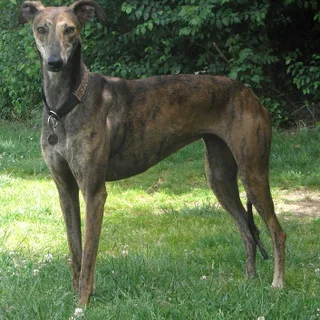
Despite its slender appearance, the Borzoi is a strong and hardy dog. Its digestive sensitivity and certain risks specific to large sighthounds should not, however, be underestimated. Its growth requires particular attention in order to protect its skeleton and its joints.
Watch points
What to watch for
Regular monitoring is recommended throughout life, particularly for the hips, eyes and digestive system. Any sudden abdominal distension, unproductive retching, pain, decreased vision or lameness warrants a prompt veterinary consultation.
Hip dysplasia : This joint abnormality can promote pain, lameness and osteoarthritis; screening breeding dogs and controlled growth reduce the risk.
Eye conditions : The Borzoi may be prone to various retinal disorders, including a breed-specific retinopathy; ophthalmologic monitoring is recommended.
Digestive disorders : A digestible diet, slow transitions and monitoring of persistent symptoms are recommended in this sometimes sensitive dog.
Gastric dilatation-volvulus : Its deep chest exposes it to this life-threatening emergency; splitting meals and avoiding exertion around feeding time are prudent measures.
Climate
Cold and heat tolerance
Its coat provides it with adequate protection against the cold, but it must have a dry and comfortable bed. In hot weather, intense outings should be scheduled during the cooler hours, with shade and water available. Its low body fat also suggests avoiding prolonged exposure to extreme temperatures.
Weight
Tendency to gain weight
The silhouette of the Borzoi must remain lean without becoming thin. The ration is adjusted according to weight, age, activity and body condition, with regular monitoring of the ribs and musculature. Food excesses and strenuous exertion around meals should be avoided, notably because of its deep chest.
Daily life
Good habits to keep it healthy
- Have the hips and eyes checked according to veterinary recommendations.
- Seek urgent consultation in case of a swollen belly or unproductive retching.
- Regularly inspect the ears and maintain the teeth.
- Brush two to three times per week and every day during shedding.
- Adjust exercise during growth and avoid slippery floors.
Vaccination
Borzoi vaccines: vaccination schedule
Which vaccines for a Borzoi? Like all cats, the Borzoi receives essential vaccines from 8 weeks old: Typhus (panleukopenia) and Coryza. The kitten primary vaccination for Borzoi is given in several injections 4 weeks apart, followed by a first booster at 1 year, even if it lives in an apartment. Depending on its lifestyle (outdoor access, multi-cat household, shows, travel), your veterinarian may complete the protocol with vaccines against Feline leukemia (FeLV), Rabies and Chlamydiosis.
| Vaccine | Primary series | First booster | Then | Who for? |
|---|---|---|---|---|
Typhus (panleukopenia)Core Feline panleukopenia (cat parvovirus) | 8 weeks · 12 weeks · 3 months | 1 year | every year | All pets |
CoryzaCore Feline herpesvirus and calicivirus | 8 weeks · 12 weeks · 3 months | 1 year | every year | All pets |
Feline leukemia (FeLV)Lifestyle-based Feline leukemia virus | 8 weeks · 12 weeks | 1 year | every year | Outdoor cats, cats living in a group or in a cattery |
RabiesLifestyle-based Rabies | 12 weeks | 1 year | every year | Mandatory for travel abroad, cat shows and most boarding kennels |
ChlamydiosisLifestyle-based Chlamydia felis (contagious conjunctivitis) | 8 weeks · 12 weeks | 1 year | every year | Cats living in groups, catteries, show cats |
Adult Borzoi vaccine boosters are annual for cat flu and leukemia if it goes outdoors; for panleukopenia, a booster every three years is often sufficient after the first booster. Your veterinarian will adjust the schedule to your cat’s lifestyle.
Which boosters for your Borzoi?
Enter your companion’s age: we list the vaccines to do now and the next boosters.
Adopting well
Adopting a healthy Borzoi
Before breeding, a hip examination and an ophthalmological check-up are recommended. Veterinary follow-up must also include cardiac evaluation according to the lineage history, as well as digestive vigilance. In the puppy, the veterinarian monitors growth and adjusts energy intake to avoid weight gain that is too rapid.
This information is provided for guidance only and does not replace a veterinarian’s advice. If you have any concerns about your pet’s health, consult a professional.