Origins
Where does it come from?
The West Siberian Laika originates from the Urals and western Siberia, in Russia. It descends from ancient hunting dogs of the Khanty and Mansi peoples, formerly called Vogul and Ostyak Laiki. The first standards were established in 1947, then revised in 1952, before final recognition by the FCI in 1980. The breed remains particularly appreciated by Russian hunters for its versatility on feathered as well as furred game.
Appearance
What does it look like?
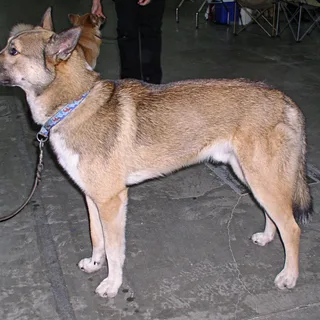
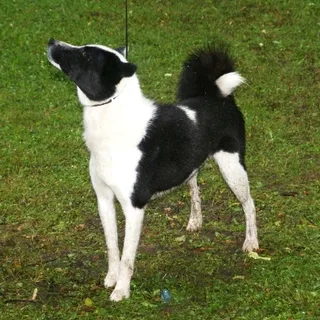
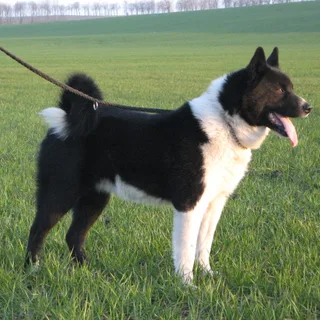
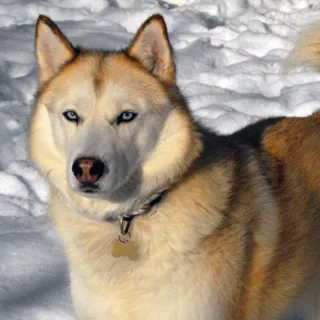
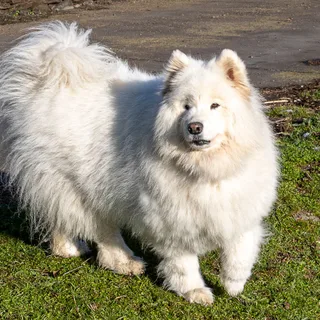
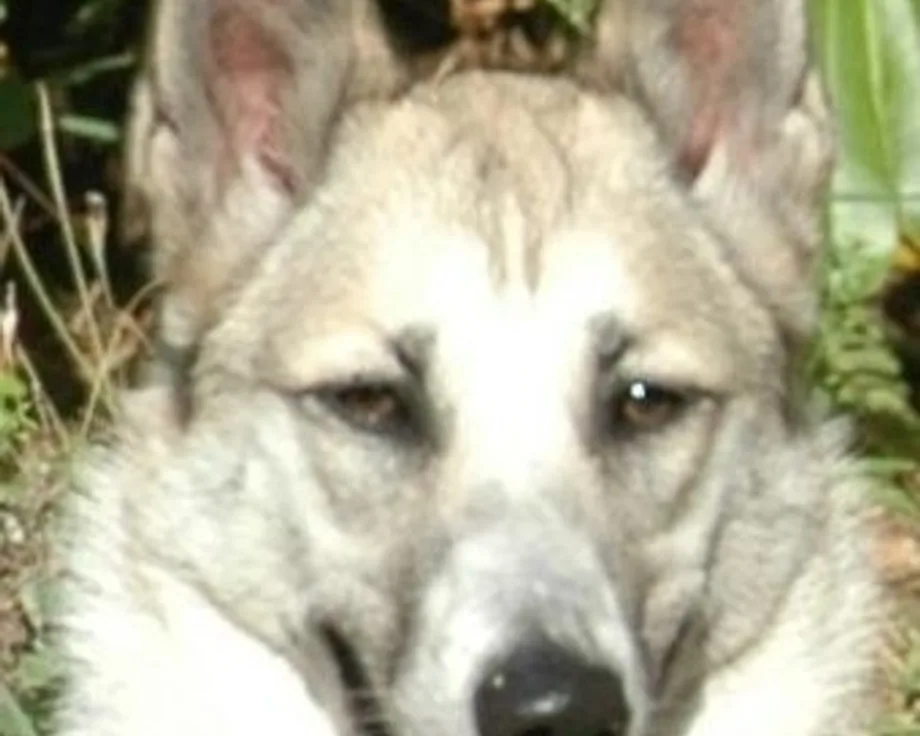
The West Siberian Laika is a medium-sized dog, robust and harmonious, without heaviness. Its body is slightly longer than tall, with a solid bone structure, developed musculature and a firm topline. Its head is wedge-shaped, its ears are erect and pointed, its oval brown to dark brown eyes express determination, and its tail is carried curled over the back or the hips. Its coat is straight, harsh to the touch, with an abundant undercoat and a more pronounced ruff around the neck.
Temperament
Temperament and personality
Balanced, self-confident and very attached to its owner, the West Siberian Laika retains a true independence of character. It is wary of strangers, willing at work and very determined when it hunts. It is a hardy, enduring and straightforward dog, which requires a clear and consistent relationship to give the best of itself.
Living together
Living with children and other pets
Active and hardworking, the West Siberian Laika needs to expend energy every day through long outings, games and tracking or exploration activities. Indoors, it can be calm after exertion, but it copes poorly with boredom and an overly confined life. Its hunting instinct remains pronounced, which requires vigilance around wildlife and small animals.
Training
Training and socialization
His training must begin early, with serious socialization and a recall worked on tirelessly. The West Siberian Laika is not the most cooperative dog and his share of independence requires an experienced, consistent and fair owner. Positive reinforcement, clear rules and short but regular sessions give much better results than any harsh approach.
Budget
Price and budget for the West Siberian Laika
The purchase price of the West Siberian Laika varies depending on origin, the quality of the bloodline, the rarity of the breed and the seriousness of the breeder. As it is an uncommon breed in many countries of Western Europe, availability may be more limited and require more selection in the choice of the breeding kennel.
See cost breakdownHealth
Health at a glance
The West Siberian Laika is overall a hardy and resilient dog. The breed is not known for accumulating many hereditary defects, but orthopedic vigilance remains useful, especially in dogs intended for work or from poorly selected lines. An active lifestyle and regular veterinary follow-up largely help to preserve its condition.
Prevention and things to watch forNutrition
Feeding your pet well
The diet of the West Siberian Laika must be adapted to its age, its size and above all to its level of activity. This active dog needs a good-quality ration, sufficiently digestible and rich in animal proteins to support its muscle mass and its recovery.
Our feeding adviceDid you know?
Fun facts and popularity
The word laïka refers in Russia to several types of Nordic hunting dogs. The West Siberian Laika is one of the most renowned for its versatility and endurance in the field. Its popularity remains strong in Russian hunting regions, where it is valued as much for its scenting ability as for its tenacity.