Origins
Where does it come from?
The Uruguayan Cimarrón descends from dogs brought by the colonists, returned to a free state in the Uruguayan countryside, then taken back and selected by the gauchos. Used for herding, big-game hunting and guarding, it has become a national symbol. The breed was officially recognized rather late. In Europe, it remains rare and intended for experienced owners, capable of handling a working molosser.
Appearance
What does it look like?
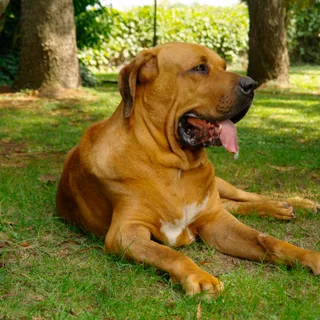
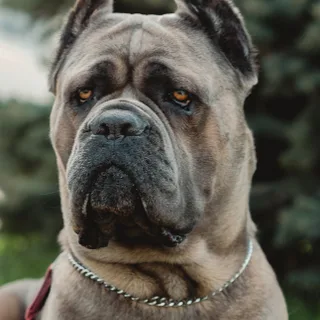
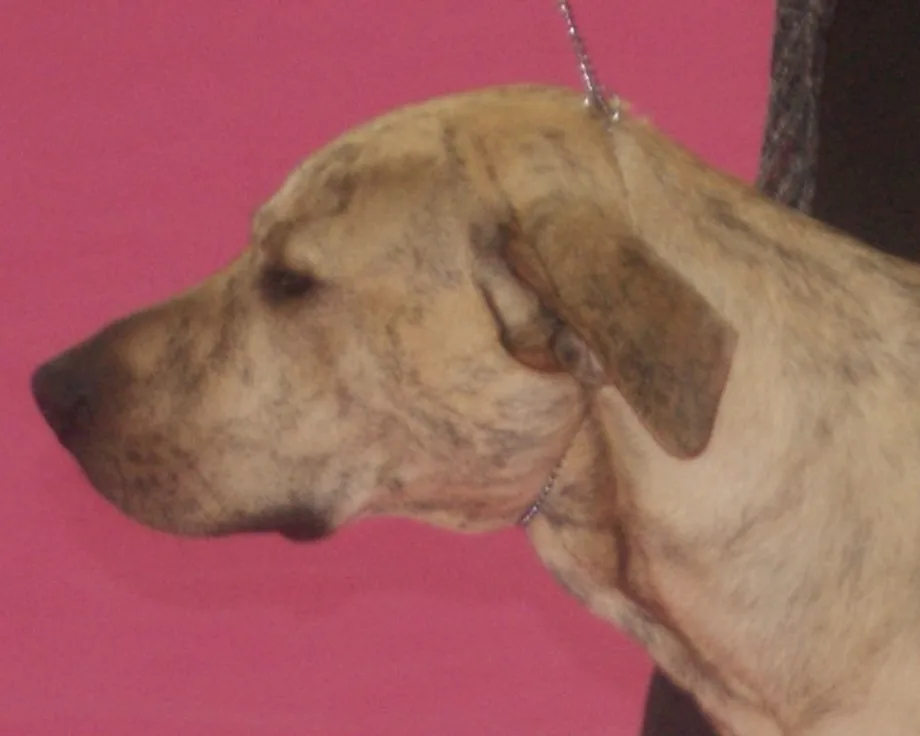
Medium to large-sized molosser, athletic rather than massive. The head is broad, the muzzle powerful, the ears naturally drooping (sometimes cropped in countries where it is still practiced: to be avoided). The coat is short, fawn, brindle or atigrado, often with a mask. The tail is thick. The impression is that of an agile dog, not a heavy couch molosser.
Temperament
Temperament and personality
Courageous, self-confident, attached to his family and wary of strangers. He can live with children if he has been raised with them and if play remains supervised. With other dogs, especially males, coexistence requires management. This is not an anonymous walking dog without training.
Living together
Living with children and other pets
He needs outings, a firm framework and a clear territory. A fenced garden helps. The apartment is only possible with a very present and sporty owner. Without a framework, he takes the leadership. Socialization must be broad and continuous.
Training
Training and socialization
Early work on control, calm, leash, recall and encounters. Positive reinforcement and calm authority, never violence. Bite sports must be handled with extreme caution and often avoided. A competent trainer is an asset.
Budget
Price and budget for the Uruguayan Cimarron
A Cimarrón uruguayen puppy is often between 1,000 and 1,800 euros. Rarity in France and the socialization work weigh on the price.
See cost breakdownHealth
Health at a glance
Athletic molosser: hips, stomach, skin, ears. Less heavy than many mastiffs, it remains a powerful dog whose growth must be monitored. A breeding program that truly tests and socializes makes the difference.
Prevention and things to watch forNutrition
Feeding your pet well
The Uruguayan Cimarrón needs a complete, digestible diet adjusted to its age, its activity and its body condition. Protein quality and control of energy intake matter as much as the volume of the ration.
Our feeding adviceDid you know?
Fun facts and popularity
“Cimarrón” designates in South America that which has become wild again. In Uruguay, it is among the national canine emblems. Its atigrado (brindle) coat is highly sought after.