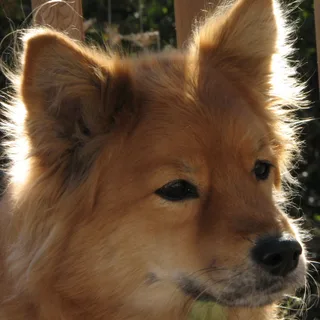
A menu for every age
Their needs change as they grow
Puppy: A growth diet for a medium-sized puppy helps support bone, muscle and immune development, with 3 meals per day at the beginning.
Adult: In adulthood, a complete formula for an active medium dog helps maintain energy, muscle mass and coat quality with 2 daily meals.
Senior: In the elderly subject, a more digestible and slightly less caloric diet can help preserve ideal weight and joint comfort.
Which food?
Kibble, wet food, or homemade meals?
Premium kibble for an active medium-sized dog suits this breed well, with good nutritional density and quality animal proteins. In very athletic individuals or those living outdoors a lot in winter, energy needs may be higher.
Portion sizes
How much should you feed?
The quantity must always be adjusted according to actual weight, body condition and the intensity of expenditure. A neutered dog, less active or living mostly indoors will not have the same needs as a very active, highly exercised sporting subject.
| Weight | Daily amount | Meals per day |
|---|---|---|
| 18 kg | 230 - 290 g | 2 |
| 20 kg | 250 - 320 g | 2 |
| 21 kg | 260 - 330 g | 2 |
Changing food
How to switch foods successfully
Any change in diet must be gradual over about one week in order to limit digestive upsets. The proportion of the new food is increased little by little while monitoring appetite, stools and general condition.
Hydration
Don't overlook water
Clean, fresh water must remain available at all times, with increased vigilance in summer or after exercise. In hot periods, it is useful to multiply water points and to offer rest times in the shade.
A little extra
Treats in moderation
Treats should remain occasional and integrated into the daily ration to avoid excess calories. They are particularly useful in positive training, provided that small, palatable rewards that are easy to digest are chosen.
Good habits
Make mealtimes count
- Weigh the portions rather than estimating them by eye.
- Adjust the amount according to activity, season, and neutering.
- Split the daily ration into 2 regular meals.
- Monitor body condition more than theoretical gram weight alone.
Never feed these foods
As with other dogs, you should avoid in particular chocolate, grapes, onion, garlic, avocado, alcohol, caffeine, cooked bones and very fatty or very salty foods, as they can cause digestive or neurological disorders or sometimes serious poisoning.