Icelandic Sheepdog
+4

Dogs

The Icelandic Sheepdog: temperament, price, health, and breeders

Iceland

A lively, cheerful and devoted Nordic spitz, shaped for herding Icelandic flocks.

Size MediumLife expectancy 11–13 yearsBudget ≈ €94/monthPuppy €900 – €1,400

The right choice?

Is this breed right for you?

Families and children Very good
Daily exercise needs High
Apartment living Limited
First-time owners Good
Other pets Fair
Tolerance of being alone Fair
Guarding instinct Very good

Strengths and weaknesses

  • Cheerful temperament: He readily takes part in family life and is generally friendly.
  • Working abilities: Attentive and energetic, he enjoys educational and sporting activities.
  • Cold resistance: His very dense undercoat protects him effectively from bad weather.
  • Family bond: Affectionate and playful, he forms close bonds with his loved ones.
  • Tendency to bark: Its natural herding-dog vocalization requires early training.
  • High activity needs: Two long outings and daily stimulation are necessary for its balance.
  • Seasonal shedding: Hair loss requires more frequent brushing several times a year.
  • Difficult apartment living: Lack of space and vocal nuisances can make cohabitation complicated.

Who is it for?

Ideal for

  • Active households: It readily accompanies long walks, hikes and canine activities.
  • Families with plenty of time: It enjoys interactions, games and a regular daily presence.
  • Rural living or a house with a garden: A spacious, fenced environment better meets its need for movement.
  • Fans of positive training: Its attentiveness and desire to cooperate are expressed through a gentle and consistent method.

Not recommended for

  • Very sedentary people: Its energy and need for stimulation are incompatible with minimal outings.
  • Noise-sensitive housing: Its pronounced barking can bother the neighborhood without sustained training work.
  • Prolonged daily absences: The lack of interactions and activity can promote boredom and undesirable behaviors.
  • Very hot climates without adaptation: Its dense coat requires cool schedules and rigorous prevention of heatstroke.

Meet the breed

What does it look like?

1,75 mHuman
41 cmIcelandic Sheepdog
Height at the withers
38–44 cm
Weight
9–14 kg
Coat
Medium-long, double and thick
FCI group
5
Origin
Iceland
Grooming
Moderate grooming needs

Photos and videos

See the Icelandic Sheepdog in photos and videos: coat colors, size, and distinctive expressions.

Origins

Where does it come from?

The Icelandic Sheepdog arrived in Iceland with the first Viking explorers from the 9th century onwards. Over the generations, selection has favored dogs capable of gathering and driving herds over vast terrain, despite the cold, wind and bad weather. Remaining rare outside its country of origin and the Scandinavian countries, the breed also appeals as a family dog thanks to its gentle and cheerful temperament. The Fédération Cynologique Internationale definitively recognized it on 17 February 1972 under number 289.

Appearance

What does it look like?

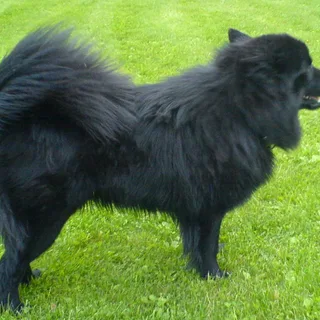
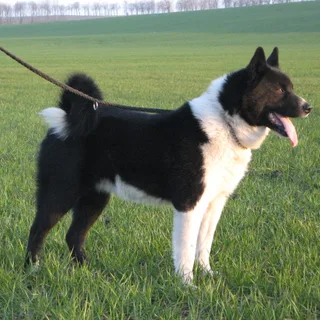
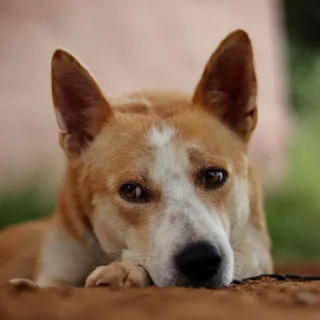
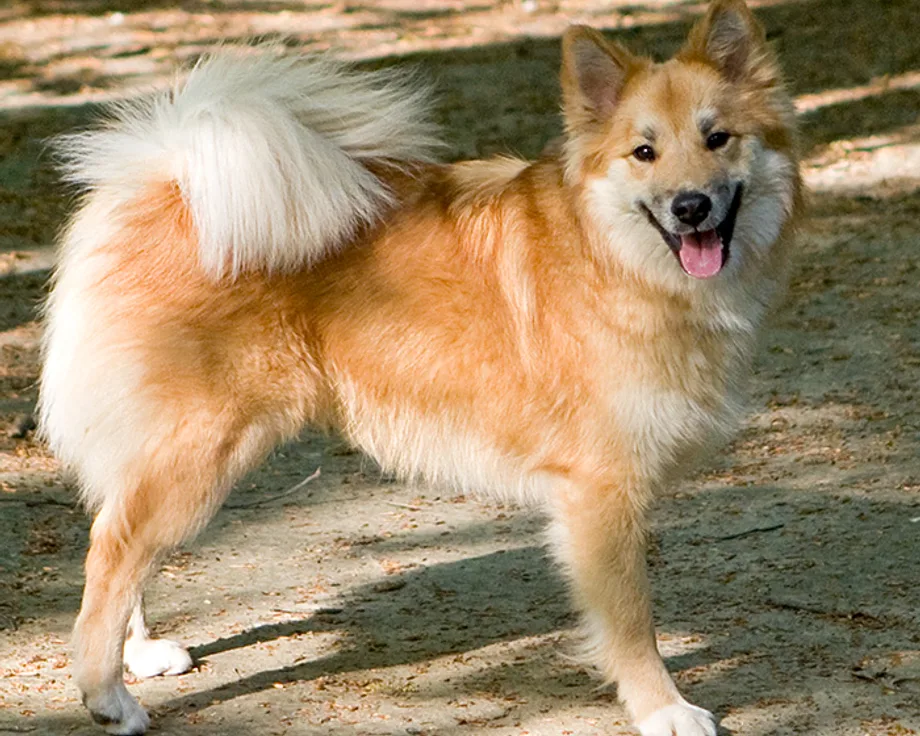
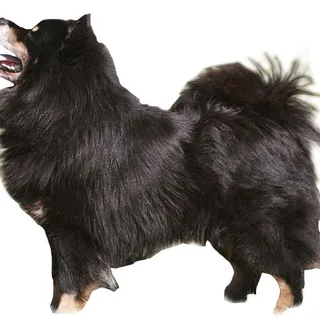
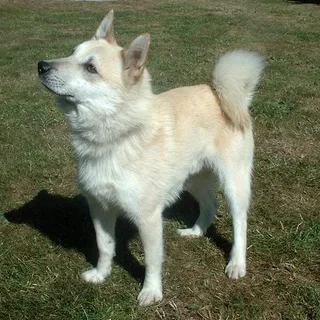
Of medium size but below the average of herding dogs, the Icelandic Sheepdog has a robust, rectangular silhouette. Its triangular head has medium ears, erect, mobile and slightly rounded at the tip, as well as almond-shaped eyes generally dark brown. Its tail, set high, curls over the back. The double coat combines a medium-long to long outer coat, fairly harsh, with a soft and very dense undercoat. Coat colors can be fawn, from cream to reddish brown, chocolate, grey or black, with irregular white markings; a black mask is possible in fawn or grey subjects.

Temperament

Temperament and personality

Cheerful, playful, curious and friendly, the Icelandic Sheepdog readily seeks contact with its family and generally welcomes visitors without aggression. It retains a strong instinct for herding and readily uses its voice to signal a movement or a presence. Lively and attentive, it combines gentleness, confidence and intelligence, while being able to show enthusiasm and sometimes be noisy.

Affectionate Playful Sociable Protective

Living together

Living with children and other pets

Active working dog, he needs to take part in daily life, to exercise and to be mentally stimulated. Two long walks per day, complemented by games, tracking, agility or herding exercises, contribute to his balance. Rural life or a house with a fenced garden suits him better than an apartment, even if an urban adaptation remains possible with frequent outings and real availability.

Training

Training and socialization

His desire to learn and to please makes training easier, but his energy and his tendency to vocalize require consistency. A positive method, based on reward, gentleness and clear boundaries, gives the best results. Early socialization with people, dogs and other animals is important, as is the gradual learning of calmness, recall and control of barking.

Budget

Price and budget for the Icelandic Sheepdog

The price depends on the pedigree, the quality of the screenings carried out on the parents, the reputation of the kennel and the puppy’s destination. The relative rarity of the breed can also increase travel costs or lengthen the waiting time.

See cost breakdown

Health

Health at a glance

Rustic and well protected by its double coat, the Icelandic Sheepdog generally enjoys robust health. Responsible selection and regular veterinary monitoring remain essential to limit the joint and eye disorders observed in the breed.

Prevention and things to watch for

Nutrition

Feeding your pet well

Athletic and muscular, the Icelandic Sheepdog needs a complete diet whose energy density truly matches its activity. The ration must preserve its muscle mass without promoting unnecessary weight gain.

Our feeding advice

Did you know?

Fun facts and popularity

The Icelandic Sheepdog is the only native dog breed of Iceland recognized internationally. Its loud bark had a practical function: it helped the shepherd to direct the herds and to signal animals that had strayed on difficult terrain. Its curled tail, its erect ears and its thick undercoat bear witness to its belonging to the group of Nordic spitz.
FAQ

Frequently asked questions about the Icelandic Sheepdog

Answers to common questions from future owners before their new companion arrives.

It is poorly suited to apartment living due to its need for space, activity level, and tendency to bark. Urban living remains possible with several daily outings, two long walks, mental activities, and training to stay calm.

Generally cheerful, playful, and affectionate, it gets along well with children when properly socialized. Interactions should always be supervised, and children should learn to respect its rest and signals.

Its double coat undergoes two seasonal shedding periods, sometimes heavy. Weekly brushing is usually sufficient, but this should be increased to at least three sessions per week during shedding.

Two long daily walks provide a good foundation, to which games, training exercises and, if possible, a canine activity suited to its working instinct should be added.

Find a Icelandic Sheepdog breeder

The areas where Pedibase lists the most Icelandic Sheepdog breeders, along with their litters and typical prices.

Icelandic Sheepdog breeders by country

All breeders of Icelandic Sheepdog in France

Ready to welcome a Icelandic Sheepdog?

Find a registered, verified breeder near you and meet your future companion with confidence.

View breeders