Longevity
Life expectancy
Life expectancy generally ranges between 10 and 13 years. Maintaining a healthy weight, regular activity without overexertion, preventive care and selection favoring functionality can help preserve mobility and quality of life. Very massive individuals or those with an excessively short muzzle may be more exposed to complications that reduce their comfort and longevity.
Constitution
Is this a robust breed?
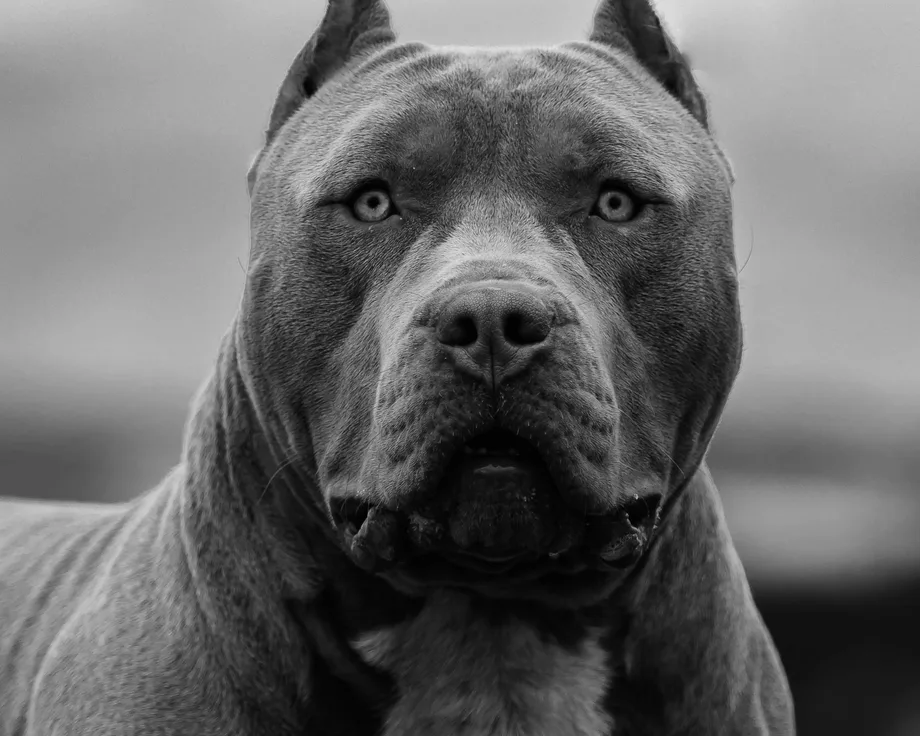
The American Bully has powerful musculature and can be robust when it comes from careful selection. Its significant mass nevertheless puts strain on the joints, particularly during growth. Very compact or hypertyped lines may show reduced endurance, breathing difficulties and a lower tolerance to exertion. A physical condition maintained progressively is better than forced muscle development.
Things to watch for
What to look out for
It is advisable to monitor gait, shortness of breath, recovery after exertion, abnormal snoring, itching, skin redness and any rapid variation in weight. Lameness, heat intolerance, faintness, noisy breathing at rest or difficulty urinating justify a prompt veterinary consultation.
Hip and elbow dysplasia: These joint abnormalities can cause pain, lameness, and osteoarthritis, with an increased risk when growth or weight are poorly managed.
Patellar luxation: Displacement of the kneecap can cause an intermittent abnormal gait and may require medical or surgical management.
Heart conditions: Some lines may present congenital or acquired diseases that justify regular auscultation and screening of breeding dogs.
Respiratory disorders: An excessively short muzzle and narrow airways can lead to snoring, poor recovery, and heat intolerance.
Allergies and skin conditions: Itching, redness, ear infections, and hair loss may be linked to allergies, parasites, or secondary infections.
Eye conditions: Entropion, ectropion, and other eyelid or eye disorders require a veterinary examination, especially in cases of tearing or irritation.
Hyperuricosuria: This predisposition can promote the formation of urinary stones and can be investigated by genetic testing in the lines concerned.
Hereditary neurological conditions: Depending on the origins, certain genetic tests can help reduce the risk of cerebellar ataxia or degenerative myelopathy.
Climate
Tolerance to cold and heat
Its short coat offers little protection from cold, wind and humidity, while dogs with a shortened muzzle or very massive build may have trouble dissipating heat. In summer, walks should take place during cool hours, with water, shade and without intense effort. In winter, the duration of outings is adjusted according to size, age and temperature, with drying on return and a coat if necessary.
Weight
Prone to weight gain
The natural muscle mass of the American Bully must not be confused with overweight. The ribs must remain easily palpable and the waist slightly visible. The ration is adjusted according to actual weight, age, sterilization, size and activity. Supplements intended to quickly increase muscle volume are unnecessary and potentially dangerous without veterinary indication. A monthly weigh-in helps to correct deviations early.
Everyday care
Good habits to keep your pet healthy
- Have the hips, elbows, patellas, heart and eyes of breeding dogs screened.
- Choose parents able to breathe and move without discomfort.
- Limit jumping, repeated stairs and strenuous efforts during growth.
- Keep the dog lean and muscular through progressive activity.
- Regularly inspect the skin, ears, eyes and paw pads.
- Consult promptly in case of lameness, discomfort or abnormal breathing.
Vaccination
American Bully vaccinations: schedule
Which vaccines does a American Bully need? Like all dogs, American Bullys should receive their core vaccines from 8 weeks of age: CHPPi (core vaccine) and Leptospirosis. Puppies receive their initial American Bully vaccinations in several shots spaced 4 weeks apart, followed by a first booster at 1 year. Depending on their lifestyle (hunting, hiking, boarding, travel, region), your veterinarian may add vaccines against Rabies, Kennel cough, Piroplasmosis, Lyme disease and Leishmaniasis.
| Vaccine | Primary vaccination | First booster | Then | For whom? |
|---|---|---|---|---|
CHPPi (core vaccine)Core Distemper, Rubarth hepatitis, parvovirosis and parainfluenza | 8 weeks · 12 weeks · 3 months | 1 year | every year | All animals |
LeptospirosisCore Leptospirosis (bacterium transmitted by rodent urine and stagnant water) | 8 weeks · 12 weeks | 1 year | every year | All animals |
RabiesDepending on lifestyle Rabies | 12 weeks | 1 year | every year | Mandatory for travel abroad, categorized dogs, most boarding kennels and shows |
Kennel coughDepending on lifestyle Bordetella bronchiseptica and parainfluenza | 8 weeks | 1 year | every year | Dogs attending boarding kennels, daycares, dog clubs and shows |
PiroplasmosisDepending on lifestyle Tick-borne babesiosis | 5 months · 6 months | 1 year | every year | Hunting dogs, dogs living in rural or wooded areas, dogs highly exposed to ticks |
Lyme diseaseDepending on lifestyle Tick-borne borreliosis | 12 weeks · 3 months | 1 year | every year | Hiking dogs, hunting dogs, forest areas of the East and the Center |
LeishmaniasisDepending on lifestyle Leishmaniasis transmitted by sandflies | 6 months | 1 year and 6 months | every year | Dogs living or staying in the South of France, Corsica and the Mediterranean basin |
Adult American Bully booster shots are given annually for leptospirosis and rabies. For distemper, hepatitis, and parvovirus, a booster every three years is often enough after the first booster. Your veterinarian will tailor the schedule to your dog's actual risk.
Which boosters does your American Bully need?
Enter your companion's age to see which vaccines are due now and when the next boosters are needed.
Choosing well
Adopting a healthy American Bully
Before any breeding, it is recommended to request official evaluations of the hips and elbows, an examination of the patellas, a cardiac assessment and an ophthalmological examination. Depending on the bloodlines, genetic tests targeting in particular cerebellar ataxia, degenerative myelopathy, hyperuricosuria and certain hereditary conditions may be relevant. A complete respiratory and locomotor examination must complement the laboratory results, because no genetic test replaces the functional evaluation of the dog.
This information is for guidance only and doesn't replace advice from a veterinarian. If you have any concerns about your pet's health, consult a professional.