Origins
Where does it come from?
The Shikoku descends from medium-sized dogs present in ancient Japan. It was selected as a hunting dog, notably for wild boar, in the mountainous areas of Kochi Prefecture. Three regional lines historically existed, Awa, Hongawa and Hata, and the current type mainly preserves the heritage of the Hongawa. An emblematic breed in Japan, the Shikoku was classified as national heritage in 1937 and then definitively recognized by the FCI in 1982.
Appearance
What does it look like?
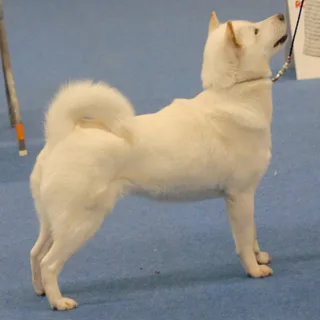
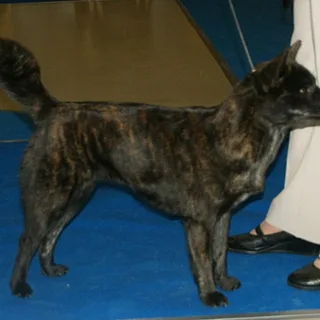
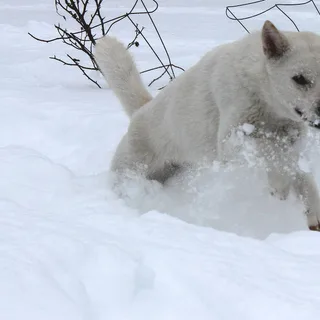
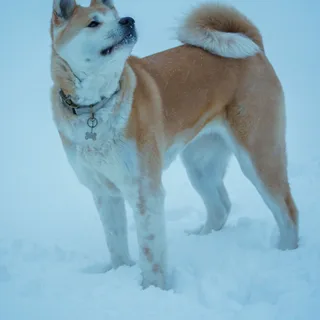
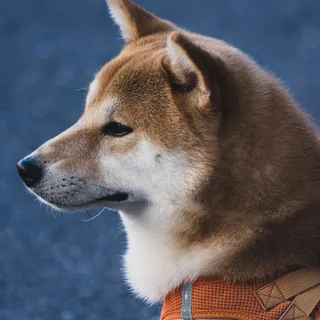
The Shikoku is a medium-sized dog, harmonious and well-proportioned, with a compact bone structure without heaviness and well-developed musculature. Its triangular head matches small, erect and pointed ears, dark brown almost triangular eyes and a black nose. The outer coat is harsh and straight, supported by a dense undercoat, longer on the tail, which is carried high and well curled. Accepted coat colors include sesame, red, black and light brown.
Temperament
Temperament and personality
The Shikoku has a balanced, vigilant and independent temperament, typical of Japanese primitive dogs. He is affectionate without being clingy, often reserved with strangers and more at ease with a relationship of trust built over time. In action, he shows a lot of determination, endurance and liveliness.
Living together
Living with children and animals
Very active, the Shikoku needs daily exercise and varied activities to remain stable. If it lacks physical and mental outlets, it can get bored and develop troublesome behaviors. Its hunting instinct remains present, which requires particular vigilance outdoors and during encounters with small animals.
Training
Training and socialization
The education of the Shikoku must begin early, with broad and progressive socialization. This breed responds better to consistent, firm and calm handling than to coercion, which quickly damages the relationship. Recall, self-control and life habits must be worked on from the youngest age, because its natural independence can complicate obedience if the framework lacks consistency.
Budget
Shikoku price & budget
The Shikoku remains a rare breed, which strongly influences its purchase price and the availability of puppies. The price mainly depends on the quality of the breeding, the seriousness of the selection, the pedigree and the health tests carried out on the breeding dogs.
View cost breakdownHealth
Health at a glance
The Shikoku is overall a robust dog, well protected by its double coat and able to tolerate cold and humidity well. Its general health is good, but like many medium-sized active breeds, it deserves careful monitoring of the musculoskeletal system and rigorous management of its weight and activity.
Prevention & watch pointsDiet
Feed it well
The Shikoku needs a complete, balanced, good-quality diet, adapted to its age, its physical activity and its medium size. A very active dog will not have the same needs as a calmer or neutered individual, hence the benefit of adjusting the ration on a case-by-case basis.
Our feeding adviceDid you know?
Anecdotes and popularity
The Shikoku is also known under the names Shikoku Ken and Kochi Ken. Its cultural importance in Japan is notable since it is part of the breeds considered as national heritage. Historically appreciated for hunting in mountainous terrain, it remains today one of the most authentic representatives of Japanese dogs of primitive type.