Longevity
Life expectancy
Its life expectancy is generally between 10 and 12 years. Appropriate skin protection and regular veterinary follow-up help preserve its quality of life.
Build
A robust breed?
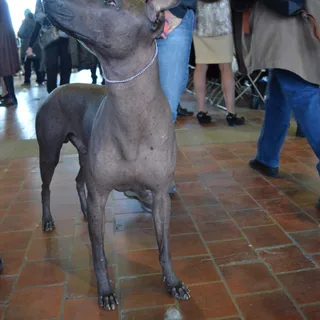
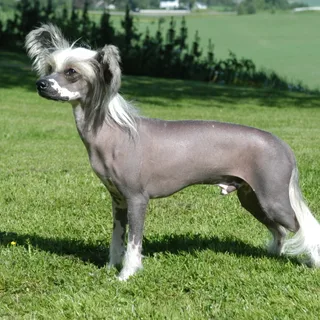
The breed shows overall robustness from average to good. Its hairlessness does not mean that it is fragile, but the absence of the coat’s natural protection requires skin care and particular attention to weather conditions.
Watch points
What to watch for
Careful veterinary monitoring is recommended due to several predispositions reported for the breed. The skin, joints and neurological condition in particular deserve regular observation.
Epilepsy : This neurological condition is among the major concerns reported for the breed.
Patellar luxation : This knee condition is mentioned as a minor concern and warrants an orthopedic check.
Allergies : Allergic reactions may occasionally occur and require veterinary care.
Functional colopathy : Functional disorders of the colon are reported occasionally.
Dermatitis : Exposed skin may be prone to inflammation and must be examined and cared for regularly.
Climate
Cold and heat tolerance
The hairless variety must live mainly indoors and be protected from cold, bad weather and harsh climatic conditions. Its tolerance to cold as well as heat is limited, which requires adapting the duration of outings and the protection of the skin.
Weight
Tendency to gain weight
The quantity of food must be adjusted to the size, age and activity level of the dog. Daily walks and games contribute to maintaining a balanced weight.
Daily life
Good habits to keep it healthy
- Regularly examine the skin and apply a suitable moisturizing care.
- Protect the dog from cold, bad weather and harsh temperatures.
- Frequently check the eyes and ears.
- Brush the teeth regularly and monitor the length of the claws.
Vaccination
Peruvian Inca Orchid vaccines: vaccination schedule
Which vaccines for a Peruvian Inca Orchid? Like all cats, the Peruvian Inca Orchid receives essential vaccines from 8 weeks old: Typhus (panleukopenia) and Coryza. The kitten primary vaccination for Peruvian Inca Orchid is given in several injections 4 weeks apart, followed by a first booster at 1 year, even if it lives in an apartment. Depending on its lifestyle (outdoor access, multi-cat household, shows, travel), your veterinarian may complete the protocol with vaccines against Feline leukemia (FeLV), Rabies and Chlamydiosis.
| Vaccine | Primary series | First booster | Then | Who for? |
|---|---|---|---|---|
Typhus (panleukopenia)Core Feline panleukopenia (cat parvovirus) | 8 weeks · 12 weeks · 3 months | 1 year | every year | All pets |
CoryzaCore Feline herpesvirus and calicivirus | 8 weeks · 12 weeks · 3 months | 1 year | every year | All pets |
Feline leukemia (FeLV)Lifestyle-based Feline leukemia virus | 8 weeks · 12 weeks | 1 year | every year | Outdoor cats, cats living in a group or in a cattery |
RabiesLifestyle-based Rabies | 12 weeks | 1 year | every year | Mandatory for travel abroad, cat shows and most boarding kennels |
ChlamydiosisLifestyle-based Chlamydia felis (contagious conjunctivitis) | 8 weeks · 12 weeks | 1 year | every year | Cats living in groups, catteries, show cats |
Adult Peruvian Inca Orchid vaccine boosters are annual for cat flu and leukemia if it goes outdoors; for panleukopenia, a booster every three years is often sufficient after the first booster. Your veterinarian will adjust the schedule to your cat’s lifestyle.
Which boosters for your Peruvian Inca Orchid?
Enter your companion’s age: we list the vaccines to do now and the next boosters.
Adopting well
Adopting a healthy Peruvian Inca Orchid
Cardiac monitoring and a check of the knees are recommended. Regular veterinary consultations also make it possible to monitor the skin and to quickly detect any neurological, digestive or allergic sign.
This information is provided for guidance only and does not replace a veterinarian’s advice. If you have any concerns about your pet’s health, consult a professional.