Origins
Where does it come from?
The Basenji is a very ancient breed originating from the Congo, often compared to the dogs depicted in Ancient Egypt. Its silhouette has been found on certain pharaohs' tombs, which attests to its antiquity. Rediscovered in the 19th century in the Ituri Forest by British explorers, it was then introduced to Europe at the beginning of the 20th century. The Fédération Cynologique Internationale has officially recognized the breed since 1964.
Appearance
What does it look like?
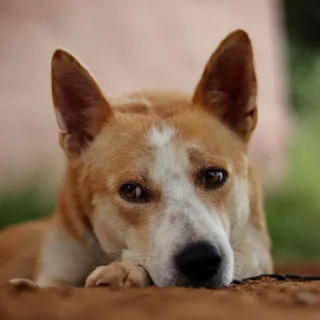
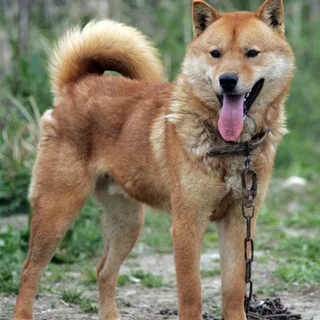
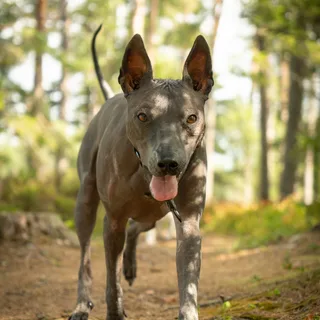
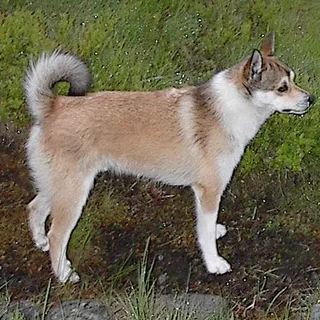
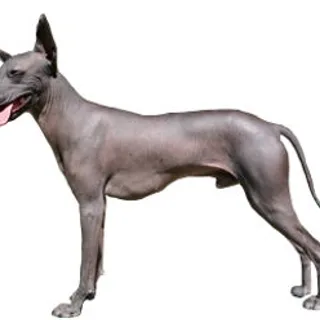
The Basenji is a small, well-proportioned dog, harmonious and elegant, with a short, level back, a well let-down chest and a tucked-up belly. Its head is finely wrinkled, especially on the forehead, its ears are small, pointed and well erect, and its dark almond-shaped eyes give it a lively and mysterious expression. Its coat is short, glossy, close and fine, and its tail is set high then curled in a tight loop over the back.
Temperament
Temperament and personality
The Basenji is a well-balanced, lively, intelligent and fairly independent dog. Affectionate with its family, it often proves more reserved with strangers. It hardly barks, but produces very distinctive vocalizations reminiscent of a yodel. Its hunting instinct remains strong, which requires properly managing its outings and its recall.
Living together
Living with children and animals
The Basenji enjoys family life and can live in an apartment if it benefits from several daily outings and real physical exercise. It remains active, curious and athletic, with a pronounced taste for exploration. Very clean, it willingly maintains its coat itself, which sometimes recalls the behavior of a cat. It tolerates heat well but is clearly less comfortable in cold weather.
Training
Training and socialization
Basenji training must start early and remain consistent, firm and gentle at the same time. Recall is a priority lesson, because it may favor its scenting ability and its desire to follow a trail rather than obey spontaneously. It is an intelligent dog, but not particularly docile, which becomes stubborn easily if harsh methods are used. Early socialization and short, varied and positive sessions give the best results.
Budget
Basenji price & budget
The Basenji remains a relatively rare breed in France, which can influence its purchase price. The rate depends in particular on the quality of the lineage, the seriousness of the breeding, the screenings carried out and the availability of puppies.
View cost breakdownHealth
Health at a glance
The Basenji generally enjoys robust health, but certain hereditary or orthopedic conditions deserve particular vigilance. Choosing a reputable breeder and regular veterinary follow-up are important to limit risks and support this active dog throughout its life.
Prevention & watch pointsDiet
Feed it well
The Basenji needs a balanced, good-quality diet, adapted to its age, its weight, its physical activity and its body condition. As the breed can gain weight, the ration must be monitored carefully.
Our feeding adviceDid you know?
Anecdotes and popularity
The Basenji is famous for its near-absence of barking, replaced by an atypical vocalization often compared to a chuckle or a yodeling song. It is also known for its great cleanliness and its way of grooming itself, which sometimes evokes that of a cat. Among its other names are Congo Terrier and Nyam-Nyam Terrier.