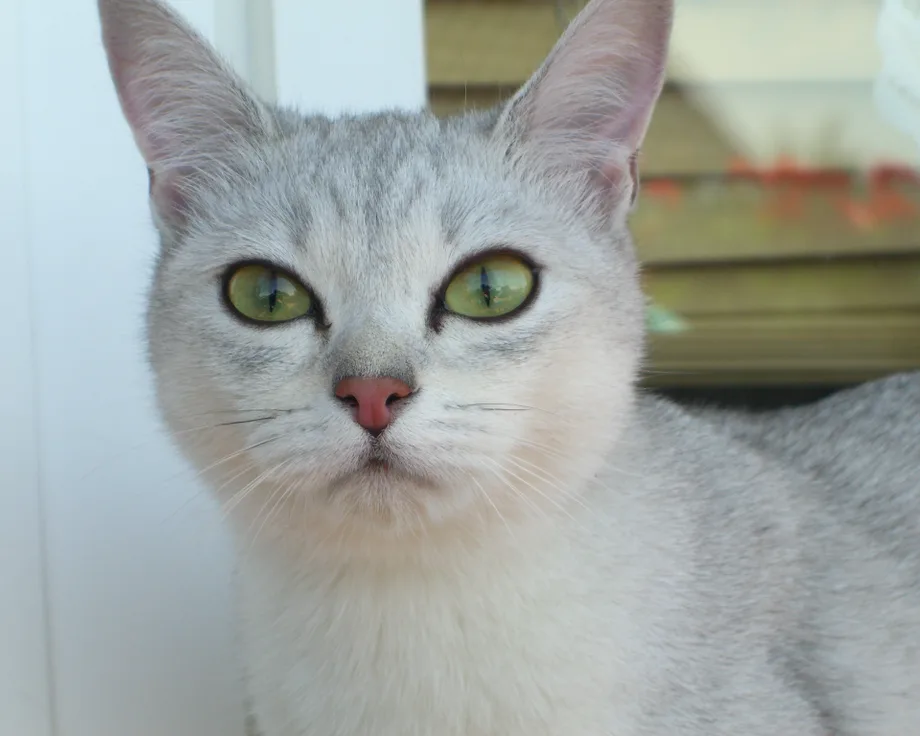
A menu for every age
Their needs change as they grow
Kitten: Complete growth food, divided into several small meals.
Adult: Controlled ration, adapted to sterilization and indoor life.
Senior: Highly digestible food, while monitoring kidneys, teeth and appetite.
Which food?
Kibble, wet food, or homemade meals?
A complete diet rich in good-quality animal proteins suits the Burmilla well. Meals formulated for neutered cats or cats living indoors may be appropriate depending on its profile, provided that the veterinarian’s advice is followed and the energy density of the ration is monitored.
Portion sizes
How much should you feed?
The daily quantity must be adjusted to the cat’s weight, activity, age and physiological status. In the Burmilla, it is particularly important to avoid excesses and to regularly reassess the ration to prevent weight gain.
| Weight | Daily amount | Meals per day |
|---|---|---|
| 2 - 3 kg | 42 - 62 g | 2 |
| 3 - 5 kg | 57 - 84 g | 2 |
| 5 - 6 kg | 74 - 105 g | 2 |
Changing food
How to switch foods successfully
Any change in diet must be gradual over several days in order to limit digestive upsets and encourage good acceptance of the new ration. A gentle transition is all the more useful for a cat that is sensitive to its habits.
Hydration
Don't overlook water
The Burmilla must always have fresh, clean water that is renewed regularly. Good hydration contributes to overall comfort and usefully complements a balanced diet, especially if the cat mainly eats kibble.
A little extra
Treats in moderation
Treats should remain occasional and be included in the calculation of the daily ration. In an overweight-prone Burmilla, it is better to favor moderation and also use play or attention as a reward.
Good habits
Make mealtimes count
- Weigh portions to avoid excess.
- Divide the ration according to the cat's actual activity level.
- Limit treats and include them in the daily intake.
- Keep fresh water available at all times.
Never feed these foods
As with other cats, chocolate, onion, garlic, grapes, alcohol, caffeine, cooked bones and very fatty or very salty foods should be avoided, as they can cause digestive, neurological or kidney disorders, or sometimes serious poisoning.