Origins
Where does it come from?
The Bernese Mountain Dog is an ancient Swiss breed originating from the surroundings of Bern. Formerly known as the Dürrbächler, after the village of Dürrbach, it was used on farms as a guard dog, cattle herding dog and draft dog. Dogs were shown in exhibitions as early as 1902, then the presentation of 107 dogs in Burgdorf in 1910 helped to establish its current name and to make the breed known. Formerly a guardian of herds in the Swiss alpine pastures, it is today appreciated as a family dog, working dog and sometimes as a search or assistance dog.
Appearance
What does it look like?
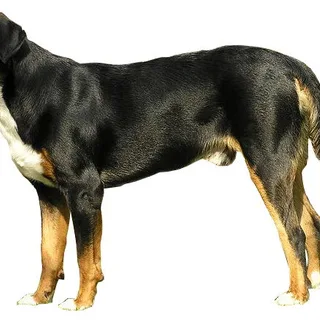
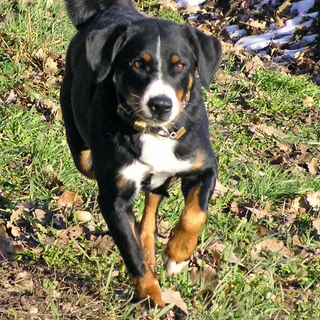
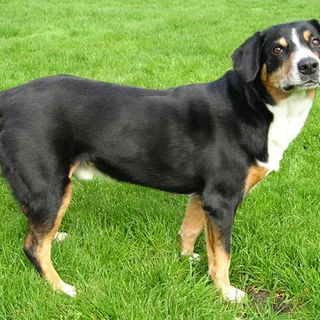
The Bernese Mountain Dog is a powerful, harmonious and well-proportioned dog, with a compact body slightly longer than tall and with solid limbs. Its massive head has a black nose, dark brown almond-shaped eyes and drooping triangular ears, rounded at their tip. Its long, shiny coat, straight or slightly wavy forms a characteristic tricolor coat, with a black base with well-distributed white and tan markings. Its bushy tail is carried low at rest and rises to the level of the back in action.
Temperament
Temperament and personality
Very affectionate, gentle and loyal, the Bernese Mountain Dog seeks closeness to its owners and does not cope well with prolonged isolation. Calm at home, not much of a barker and devoid of typical aggressiveness, it is protective without excess. It is generally excellent with children and sociable with other animals when it has been properly accustomed. Its sensitivity, its curiosity and a certain temporary reserve during adolescence call for a reassuring approach.
Living together
Living with children and animals
This large dog likes to take part in family life and prefers a home where it benefits from a regular presence. It enjoys walks, quiet hiking and moderate outdoor activities. One to two hours of daily outings, including at least one real walk, allow it to maintain its balance. Housing with a garden is preferable, even if it can adapt to an apartment when its needs for movement and companionship are fully met.
Training
Training and socialization
Intelligent and endowed with a good memory, the Bernese Mountain Dog readily learns with a consistent method based on positive reinforcement, gentleness and calm firmness. Brutal methods should be avoided with this sensitive dog. Early socialization and a gradual learning of obedience are recommended. As its physical and mental maturation is slow, you must remain patient and consistent, especially during adolescence when it may lack confidence around strangers.
Budget
Bernese Mountain Dog price & budget
The price of a Bernese Mountain Dog depends on the quality of the breeding, the pedigree, the health screenings carried out on the parents, compliance with the standard, and the puppy’s intended purpose. The purchase cost represents only part of the budget, because food, veterinary prevention, and the upkeep of a giant dog remain significant.
View cost breakdownHealth
Health at a glance
The Bernese Mountain Dog is a dog that appears sturdy, but its breed has several significant predispositions and a relatively short life expectancy. Breeding attentive to the health of breeding dogs, regular veterinary monitoring, controlled growth and rigorous prevention of gastric dilatation-volvulus are essential.
Prevention & watch pointsDiet
Feed it well
This giant dog needs a complete, digestible diet adapted to its age, weight, activity and growth. Nutritional quality, control of energy intake and splitting meals are priorities to support the joints and limit digestive risks.
Our feeding adviceDid you know?
Anecdotes and popularity
The former name Dürrbächler comes from Dürrbach, a village in the canton of Bern where the breed was particularly present. The Bernese Mountain Dog long pulled small carts on Swiss farms in addition to guarding properties and driving cattle. Its gentle and protective temperament also allowed it to be used as an assistance dog and in certain civil protection missions.