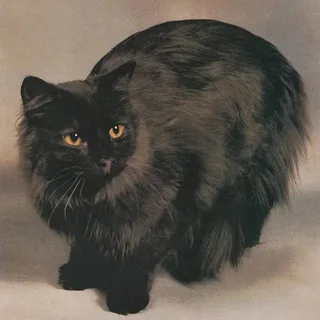
Longevity
Life expectancy
With good living conditions, a balanced diet and regular veterinary follow-up, the Sacred Birman often lives between 14 and 17 years. This longevity requires particular attention to weight management, hydration and the cat's comfort as it gets older.
Constitution
Is this a robust breed?
The Birman has intermediate robustness. It is not considered fragile on a daily basis, but it deserves careful monitoring of certain health balances, notably urinary and metabolic, as well as regular maintenance of its coat and its mouth.
Things to watch for
What to look out for
Simple but constant vigilance is recommended throughout the life of the Sacré de Birmanie. Observing appetite, weight, urine quality, mobility and coat condition often makes it possible to spot early any deviations requiring veterinary advice.
Urinary disorders: Urine that is too concentrated can promote urinary disorders, hence the importance of good hydration and prompt monitoring at the slightest change in urination.
Overweight in seniors: With age and moderate activity, this cat can gain weight if the ration is not adjusted to its actual needs.
Climate
Tolerance to cold and heat
Thanks to its semi-long coat, the Sacred Birman generally tolerates temperate to cool environments better than high heat. In summer, it must have shade, fresh water and calm areas, while in winter a comfortable indoor environment suits it very well.
Weight
Prone to weight gain
The Sacred Birman, especially as it ages or if it lives mainly indoors, can gain weight if its intake exceeds its actual expenditure. A measured ration, daily play, and monitoring of body weight help preserve its figure and its joint comfort.
Everyday care
Good habits to keep your pet healthy
- Monitor appetite, weight and urination frequency.
- Brush the coat more often during shedding periods.
- Have the teeth and general condition checked at least once a year.
Vaccination
Birman vaccinations: schedule
Which vaccines does a Birman need? Like all cats, Birmans should receive their core vaccines from 8 weeks of age: Typhus (panleukopenia) and Coryza. Kittens receive their initial Birman vaccinations in several shots spaced 4 weeks apart, followed by a first booster at 1 year, even if they live indoors. Depending on their lifestyle (outdoor access, living with other cats, shows, travel), your veterinarian may add vaccines against Feline leukemia (FeLV), Rabies and Chlamydiosis.
| Vaccine | Primary vaccination | First booster | Then | For whom? |
|---|---|---|---|---|
Typhus (panleukopenia)Core Feline panleukopenia (cat parvovirus) | 8 weeks · 12 weeks · 3 months | 1 year | every year | All animals |
CoryzaCore Feline herpesvirus and calicivirus | 8 weeks · 12 weeks · 3 months | 1 year | every year | All animals |
Feline leukemia (FeLV)Depending on lifestyle Feline leukemia virus | 8 weeks · 12 weeks | 1 year | every year | Outdoor cats, cats living in a group or in a cattery |
RabiesDepending on lifestyle Rabies | 12 weeks | 1 year | every year | Mandatory for travel abroad, cat shows and most boarding kennels |
ChlamydiosisDepending on lifestyle Chlamydia felis (contagious conjunctivitis) | 8 weeks · 12 weeks | 1 year | every year | Cats living in groups, catteries, show cats |
Adult Birman booster shots are given annually for feline herpesvirus and feline leukemia if your cat goes outdoors. For feline panleukopenia, a booster every three years is often enough after the first booster. Your veterinarian will tailor the schedule to your cat's lifestyle.
Which boosters does your Birman need?
Enter your companion's age to see which vaccines are due now and when the next boosters are needed.
Choosing well
Adopting a healthy Birman
An annual veterinary check-up, or more frequent in seniors, helps monitor weight, dentition, urinary status and general condition. If there is any doubt about hydration, appetite or elimination, an early check-up is preferable.
This information is for guidance only and doesn't replace advice from a veterinarian. If you have any concerns about your pet's health, consult a professional.