Longevity
Life expectancy
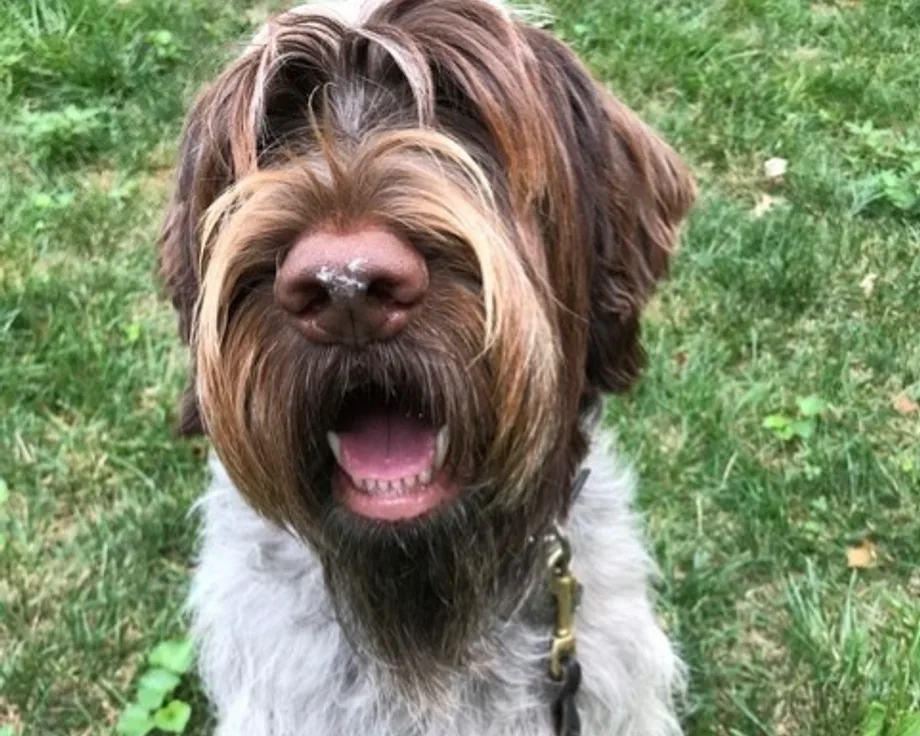
With a life expectancy generally between 10 and 14 years, the Griffon Korthals can remain active for a long time if its lifestyle, weight and care are adapted. Regular activity, a well-adjusted diet and orthopedic vigilance help preserve its quality of life as it ages.
Constitution
Is this a robust breed?
The breed is reputed to be robust and hardy, with good tolerance to cool and humid climatic conditions. This sturdiness does not exempt one from regular care of the ears, coat and joints, especially in very active dogs or those used for hunting.
Things to watch for
What to look out for
Particular attention must be paid to locomotion, body condition and joint comfort, as well as to urinary or genital signs in older males. Regular ear cleaning and observing the dog after outings in nature also contribute to daily prevention.
Hip dysplasia: A predisposition to coxofemoral dysplasia exists in the breed, with a risk of pain, lameness and osteoarthritis in the longer term.
Prostatic disorders: Some males may present prostatic disorders, especially as they age, which warrants clinical vigilance in case of urinary signs or discomfort.
Climate
Tolerance to cold and heat
The Griffon Korthals tolerates cold and bad weather well thanks to its harsh coat doubled with a dense undercoat. It tolerates high heat a little less well and must then have shade, fresh water and exertion limited to the least hot hours.
Weight
Prone to weight gain
The breed is not particularly known for a strong tendency to become overweight, but a poorly adjusted ration or a decrease in activity can quickly weigh on its joints. Maintaining a stable weight is important in this sporty dog to preserve endurance and comfort of movement.
Everyday care
Good habits to keep your pet healthy
- Monitor gait, exercise tolerance, and any sign of lameness.
- Clean and check the ears regularly, especially after outings.
- Maintain a stable weight to protect the joints.
- Consult promptly in case of urinary issues in an adult or elderly male.
Vaccination
Wirehaired Pointing Griffon vaccinations: schedule
Which vaccines does a Wirehaired Pointing Griffon need? Like all dogs, Wirehaired Pointing Griffons should receive their core vaccines from 8 weeks of age: CHPPi (core vaccine) and Leptospirosis. Puppies receive their initial Wirehaired Pointing Griffon vaccinations in several shots spaced 4 weeks apart, followed by a first booster at 1 year. Depending on their lifestyle (hunting, hiking, boarding, travel, region), your veterinarian may add vaccines against Rabies, Kennel cough, Piroplasmosis, Lyme disease and Leishmaniasis.
| Vaccine | Primary vaccination | First booster | Then | For whom? |
|---|---|---|---|---|
CHPPi (core vaccine)Core Distemper, Rubarth hepatitis, parvovirosis and parainfluenza | 8 weeks · 12 weeks · 3 months | 1 year | every year | All animals |
LeptospirosisCore Leptospirosis (bacterium transmitted by rodent urine and stagnant water) | 8 weeks · 12 weeks | 1 year | every year | All animals |
RabiesDepending on lifestyle Rabies | 12 weeks | 1 year | every year | Mandatory for travel abroad, categorized dogs, most boarding kennels and shows |
Kennel coughDepending on lifestyle Bordetella bronchiseptica and parainfluenza | 8 weeks | 1 year | every year | Dogs attending boarding kennels, daycares, dog clubs and shows |
PiroplasmosisDepending on lifestyle Tick-borne babesiosis | 5 months · 6 months | 1 year | every year | Hunting dogs, dogs living in rural or wooded areas, dogs highly exposed to ticks |
Lyme diseaseDepending on lifestyle Tick-borne borreliosis | 12 weeks · 3 months | 1 year | every year | Hiking dogs, hunting dogs, forest areas of the East and the Center |
LeishmaniasisDepending on lifestyle Leishmaniasis transmitted by sandflies | 6 months | 1 year and 6 months | every year | Dogs living or staying in the South of France, Corsica and the Mediterranean basin |
Adult Wirehaired Pointing Griffon booster shots are given annually for leptospirosis and rabies. For distemper, hepatitis, and parvovirus, a booster every three years is often enough after the first booster. Your veterinarian will tailor the schedule to your dog's actual risk.
Which boosters does your Wirehaired Pointing Griffon need?
Enter your companion's age to see which vaccines are due now and when the next boosters are needed.
Choosing well
Adopting a healthy Wirehaired Pointing Griffon
A standard veterinary follow-up with particular attention to the hips and locomotor condition is recommended, especially in breeding dogs and very active dogs. In males, clinical vigilance regarding the prostatic sphere may be useful with age depending on the context and the signs observed.
This information is for guidance only and doesn't replace advice from a veterinarian. If you have any concerns about your pet's health, consult a professional.