Origins
Where does it come from?
The breed is of very ancient origin and developed in Hungary for hunting. Highly appreciated in the Middle Ages, notably by the nobility, it then experienced a sharp decline until it nearly became extinct at the beginning of the 20th century. Two varieties had existed, including a small one now extinct. The variety dedicated to big game was able to be preserved thanks to breeding programs relaunched from the end of the 1960s. The FCI definitively recognized the breed in 1963.
Appearance
What does it look like?
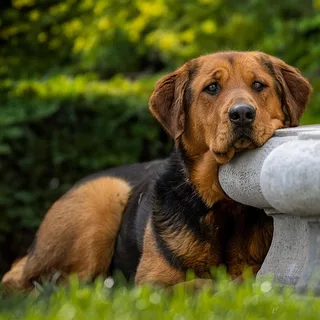
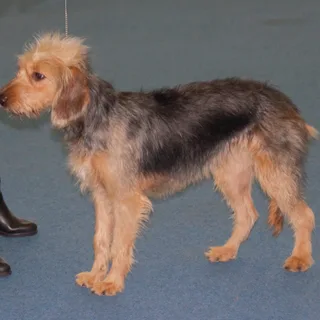
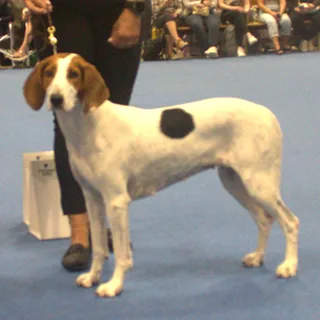
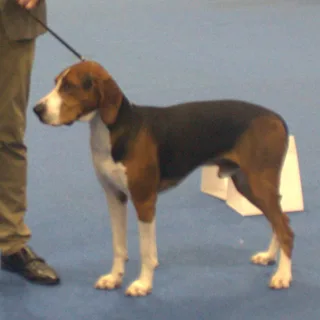
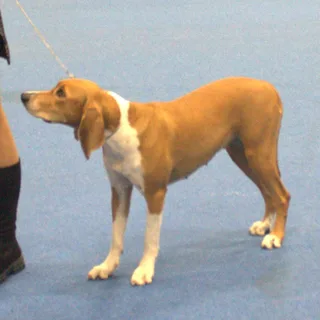
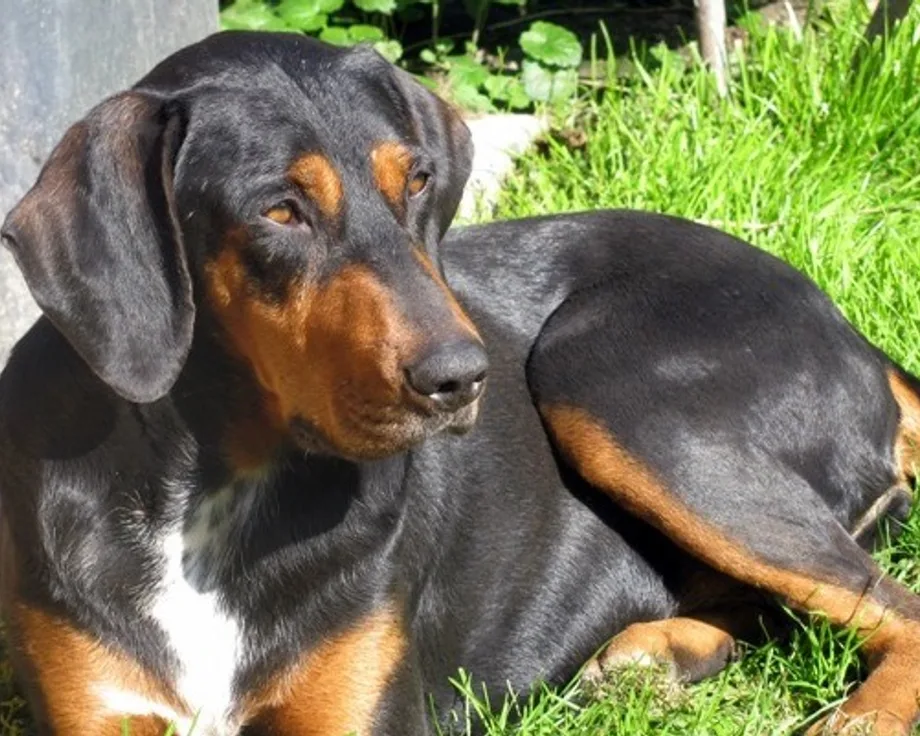
The Transylvanian Hound is a robust, athletic and well-proportioned dog, of rectangular format. Its head is rather long, with a slightly marked stop, dark brown almond-shaped eyes and drooping ears set at mid-height. Its coat is short, straight, dense and lying flat, with undercoat, longer on certain areas such as the neck and the back of the thighs. Its coat is black with well-defined tan markings on the muzzle, the limbs and above the eyes.
Temperament
Temperament and personality
It is an alert, courageous, determined and well-balanced dog. It retains an assertive temperament, with good autonomy in action, while showing affection towards its own. Its hunting instinct is very pronounced and it may be reserved with strangers.
Living together
Living with children and other pets
This dog needs daily activity and real physical exertion to remain stable and pleasant to live with. When hunting or on a fresh trail, it can give voice in a characteristic way. It prefers wide open spaces and thrives more in a rural environment than in an apartment.
Training
Training and socialization
Its training requires patience, consistency and fair handling. As with many scent hounds, recall must be worked on very early and regularly due to its independence and its sense of smell. With a consistent and firm method without brutality, its learning remains accessible.
Budget
Price and budget for the Transylvanian Hound
The purchase price of this breed generally remains moderate for a hunting dog that is still relatively little-known. The overall budget then depends mainly on the dog's level of activity, the quality of the breeding, and the health monitoring put in place.
See cost breakdownHealth
Health at a glance
The Transylvanian Hound is overall a hardy and robust breed. Its double coat provides it with useful protection against harsh climatic conditions, but its lifestyle must remain active to preserve its physical condition.
Prevention and things to watch forNutrition
Feeding your pet well
The Transylvanian Hound needs good-quality food, adapted to its age, its size and its activity level. Its athletic dog profile justifies a ration consistent with its actual expenditure in order to support its muscle mass without promoting overweight.
Our feeding adviceDid you know?
Fun facts and popularity
The Transylvanian Hound is also known under the names Hungarian Brachet, Hungarian Hound and Erdélyi Kopo. Historically selected for big game, it has remained particularly associated with the territories of Hungary and Romania. Its silhouette and endurance make it a typical representative of Central European scenthounds.