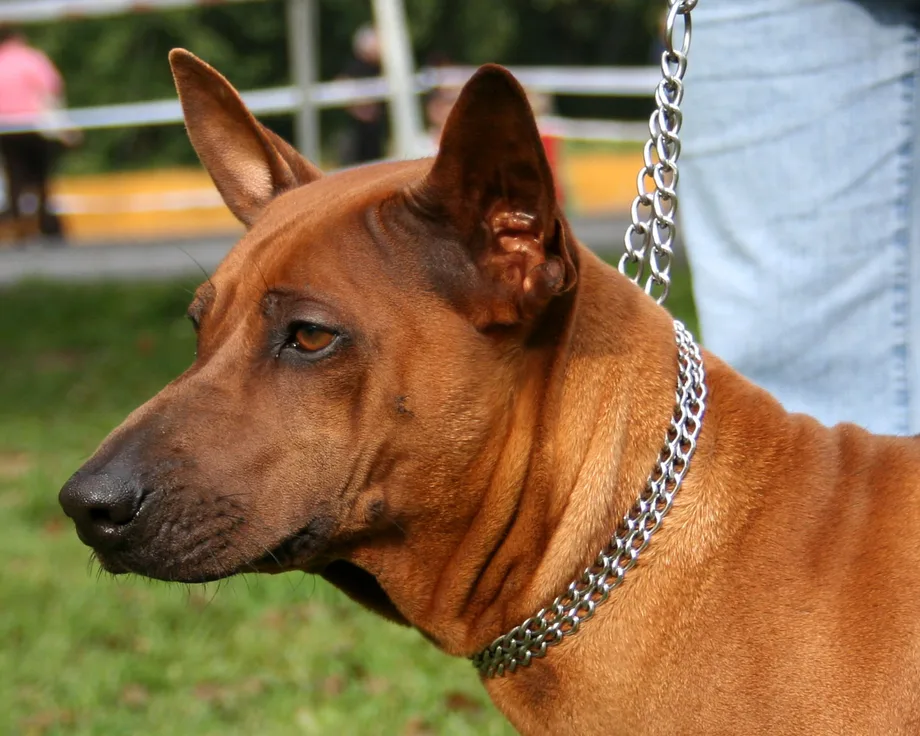
A menu for every age
Their needs change as they grow
Puppy: Choose a complete food for growth, divided into several meals and regularly adjusted to development.
Adult: Divide the daily ration into two meals and adapt it to activity as well as body condition.
Senior: Reassess energy intake, digestibility and joint support with the veterinarian according to health status.
Which food?
Kibble, wet food, or homemade meals?
A complete, good-quality diet, dry, wet or home-prepared formulated with a veterinarian, must provide proteins suited to its activity and a precise balance in energy, minerals and vitamins.
Portion sizes
How much should you feed?
The quantity must be determined according to weight, age, body condition, activity level and the energy density of the food. The manufacturer's recommendations are a starting point to be adjusted with the veterinarian.
| Weight | Daily amount | Meals per day |
|---|---|---|
| 23 kg | 310 - 380 g | 2 |
| 23 - 24 kg | 320 - 395 g | 2 |
| 24 - 25 kg | 330 - 405 g | 2 |
Changing food
How to switch foods successfully
Any change in diet must be gradual over several days, gradually increasing the proportion of the new food in order to limit digestive disorders.
Hydration
Don't overlook water
Fresh, clean water must remain available at all times, with increased vigilance after exertion and in hot weather.
A little extra
Treats in moderation
Treats should remain occasional and be deducted from the daily ration. Small-sized rewards are particularly suitable for training sessions.
Good habits
Make mealtimes count
- Split the daily ration into two meals.
- Adjust the intake to the actual level of activity.
- Regularly monitor weight and body shape.
- Avoid intense exercise right around meals.
Never feed these foods
Avoid in particular chocolate, grapes and raisins, onion, garlic in toxic quantities, xylitol, alcohol, caffeine, macadamia nuts and cooked bones, which can cause poisoning, digestive disorders or internal injuries.