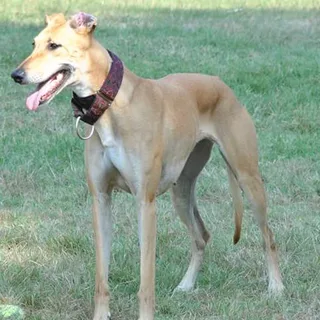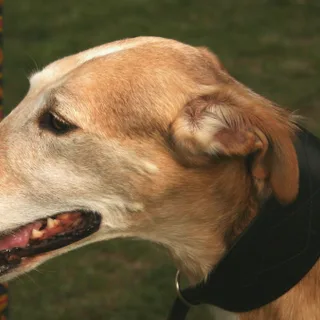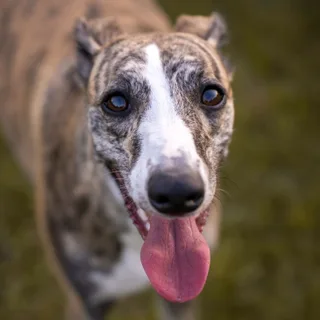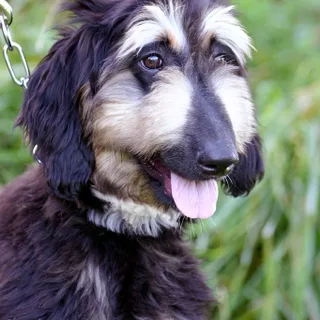
A menu for every age
Their needs change as they grow
Puppy: A growth diet for a large dog helps support harmonious development without excess energy.
Adult: The ration must cover muscle maintenance and the expenditures of an active dog while maintaining a lean silhouette.
Senior: With age, a more digestible diet adapted to the actual activity helps preserve joint comfort and overall condition.
Which food?
Kibble, wet food, or homemade meals?
Premium kibble or a well-formulated home-prepared ration may be suitable, provided it offers a good balance between quality proteins, controlled fats, minerals and energy. In this active dog, the digestibility of the ration matters as much as its nutritional density.
Portion sizes
How much should you feed?
The daily amount varies according to weight, activity and individual metabolism. It is preferable to adjust the ration to the dog's actual body condition and the pace of its outings rather than relying on a fixed amount all year round.
| Weight | Daily amount | Meals per day |
|---|---|---|
| 20 - 23 kg | 343 - 471 g | 2 |
| 23 - 27 kg | 390 - 535 g | 2 |
| 27 - 30 kg | 436 - 598 g | 2 |
Changing food
How to switch foods successfully
Any change in diet must be done gradually over several days in order to limit digestive upsets. A slow transition helps preserve appetite, stool quality, and the dog's overall comfort.
Hydration
Don't overlook water
Clean, fresh water must remain available at all times. After exercise or in hot weather, good hydration should be encouraged while avoiding intense effort just after a large volume of water or a hearty meal.
A little extra
Treats in moderation
Treats can be useful for training, but they must remain simple, digestible and given in moderation. Their intake must be integrated into the overall ration so as not to unbalance the diet.
Good habits
Make mealtimes count
- Preferably split the daily ration into at least two meals.
- Avoid intense exercise just before and just after meals.
- Regularly monitor body condition to adjust the ration.
- Adapt energy intake to periods of high activity and rest.
Never feed these foods
As with other dogs, it is necessary to avoid in particular chocolate, grapes, onion, garlic, avocado, cooked bones, alcohol, caffeine and sweeteners such as xylitol, as they can cause digestive or neurological disorders or severe poisoning.