Origins
Where does it come from?
The Hungarian Greyhound is an ancient breed developed by the ancestors of the Hungarians, the Magyars, who used it as a hunting dog. Contributions from other varieties in the 19th century helped refine its qualities of speed and endurance. The breed was definitively recognized by the FCI in 1963, and its current official standard was published in 2000.
Appearance
What does it look like?
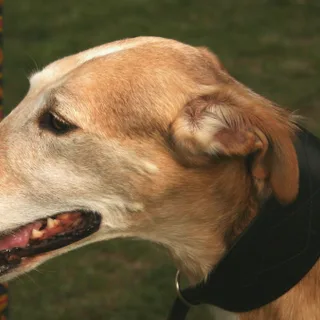
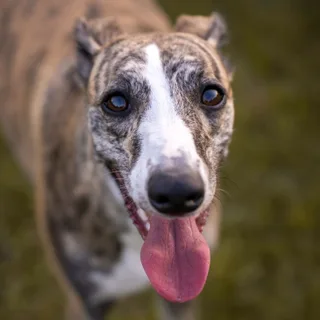
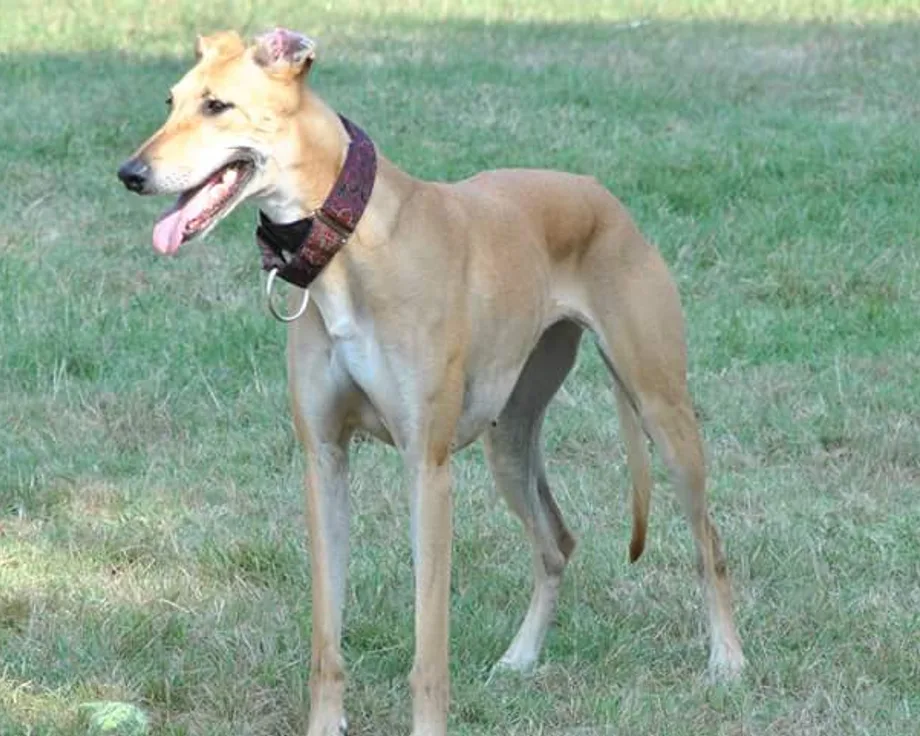
The Hungarian Greyhound is a large athletic dog, built in a rectangle, with a solid bone structure and well-developed musculature. Its head is wedge-shaped, the muzzle elongated, the chest deep and the belly slightly tucked up. Its coat is short, rather harsh and dense, sometimes accompanied by a more abundant undercoat in the cold season.
Temperament
Temperament and personality
Balanced, lively and loyal, the Hungarian Greyhound shows itself attached to its family while remaining reserved with strangers. More vigilant than many other sighthounds, it also has an appreciable protective instinct. Its temperament combines calm at home, practical intelligence and true endurance with effort.
Living together
Living with children and other pets
On a daily basis, this dog needs space, freedom of movement and substantial outings to stay comfortable in its own skin. It appreciates the calm of the home, but it cannot be satisfied with walks that are too short or too monotonous. Well exercised, it proves to be calm and pleasant to live with.
Training
Training and socialization
The education of the Hungarian Greyhound benefits from being carried out with gentleness, consistency and measured firmness. A sensitive dog, it responds better to a relationship of trust than to constraint. Early socialization and serious recall training are particularly important in this fast and enduring hunting breed.
Budget
Price and budget for the Hungarian Greyhound
The purchase price varies mainly depending on the quality of the breeding, the lineage, the puppy’s intended purpose and the availability of the breed. For this sighthound that is still quite confidential, it is important to favor a serious breeder who focuses on health, temperament and socialization.
See cost breakdownHealth
Health at a glance
The Hungarian Greyhound is overall a robust and resilient dog. Its overall health is good, with few fragilities regularly highlighted, even if its large size justifies reasonable orthopedic vigilance.
Prevention and things to watch forNutrition
Feeding your pet well
The Hungarian Greyhound needs a quality diet, adapted to its age, its size and its activity level. Its ration must support its muscle mass, its endurance and the maintenance of a lean body condition.
Our feeding adviceDid you know?
Fun facts and popularity
Also known as the Magyar Agar, the Hungarian Greyhound is one of the rare sighthounds to combine a true aptitude for guarding with the classic qualities of speed and endurance of its family. It excels both in racing and in hunting over long distances.