Origins
Where does it come from?
Long confined to the Pyrenean valleys, the Berger des Pyrénées worked alongside shepherds to drive and watch over the flocks. Its robustness, agility and intelligence earned it a solid local reputation before the breed became known at the beginning of the 20th century. During the First World War, some individuals were used as messenger dogs and valued for their reliability. The first official standards were established in the 1920s. Two breeds are today distinguished under this common name: the long-haired Berger des Pyrénées, the most widespread, and the smooth-faced Berger des Pyrénées.
Appearance
What does it look like?
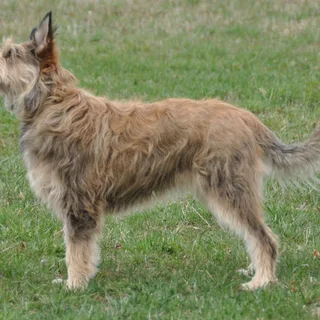
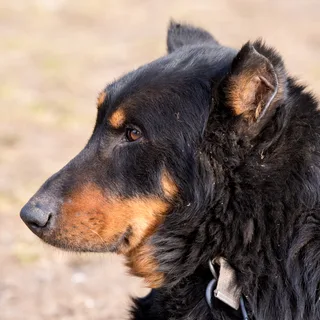
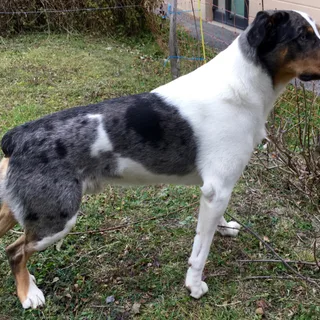
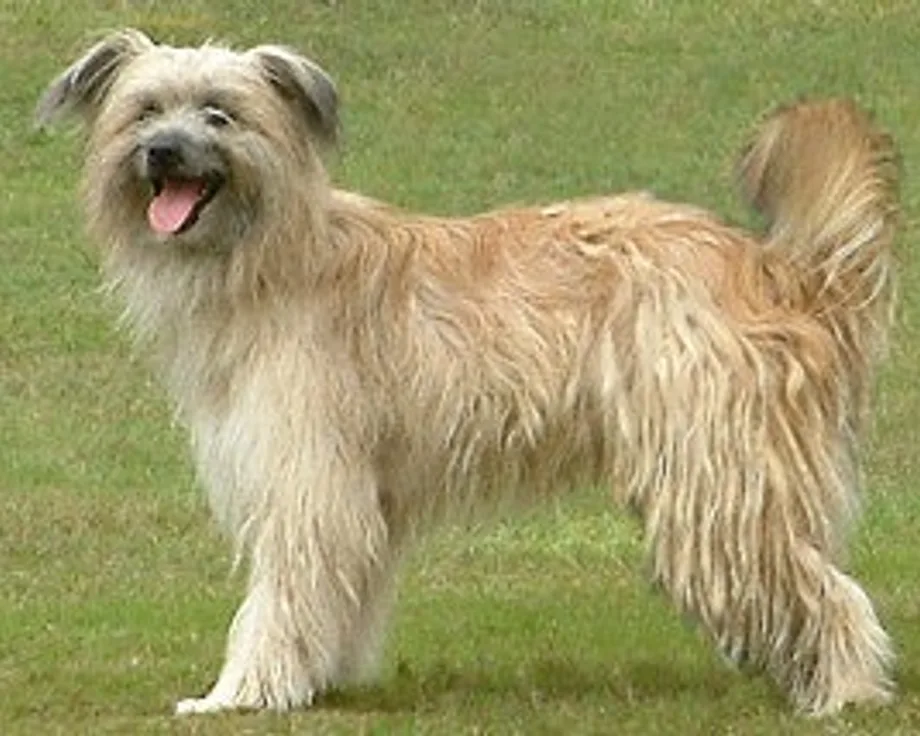
Small, light and nervous dog without being fragile, the Berger des Pyrénées has a solid bone structure and lean musculature. Its triangular head, very expressive dark brown eyes and short, triangular and mobile ears reinforce its constantly alert look. The body has a solid back, a chest reaching down to elbow level and a short, sloping croup. The tail, set low and well furnished, often ends in a hook. The coat can be woolly, smooth or slightly wavy, with fawn, grey, brindle, black or blue mottled with black coats.
Temperament
Temperament and personality
Intelligent, strong-willed, courageous and very loyal, the Pyrenean Shepherd is deeply attached to its owner. Its natural vigilance and its reserve toward strangers make it a good watchdog. Lively and playful, it generally appreciates children when interactions are respectful. Its assertive temperament, its tendency to take initiative and its herding instinct nevertheless require careful socialization and a consistent framework.
Living together
Living with children and other pets
Always alert, this small herding dog needs an active life and regular company. He likes to take part in his household’s activities, learn and expend energy, with at least a good hour each day of walks and varied exercises. City life remains possible if his physical and mental needs are truly met, but a house with a secure outdoor space suits him better. Not very independent, he copes poorly with a life that is too sedentary or isolated and can become very vocal if he lacks activity.
Training
Training and socialization
Training must start early, with progressive socialization to people, dogs, other animals and varied environments. Quick to understand but sometimes willful, the Berger des Pyrénées responds better to a firm, consistent and kind method than to coercion. Short, dynamic and rewarded sessions maintain its motivation. Recall, management of barking, calmness and giving up deserve particular attention from the youngest age.
Budget
Price and budget for the Pyrenean Shepherd
The purchase price varies depending on the reputation of the breeding kennel, the quality of the bloodline, the screenings carried out on the breeding dogs, the pedigree and the puppy’s intended purpose. A low price should never replace checking the breeding conditions and the health documents.
See cost breakdownHealth
Health at a glance
The Pyrenean Shepherd is generally robust and rarely falls ill when it receives a balanced diet, sufficient activity and regular preventive care. Its greediness nevertheless requires monitoring portions and body condition. As with any breed, certain hereditary or orthopedic conditions justify a careful choice of breeder and appropriate screenings.
Prevention and things to watch forNutrition
Feeding your pet well
Despite its energy, the Pyrenean Shepherd is satisfied with moderate quantities. A complete, digestible ration adapted to its age, its weight, its activity level and its physiological status helps support its musculature while avoiding excess weight.
Our feeding adviceDid you know?
Fun facts and popularity
The Berger des Pyrénées is sometimes called Labrit, although this name has been used variably depending on the regions. Despite its small size, it was selected for demanding work in the mountains and stands out for its agility. During the First World War, representatives of the breed served as messenger dogs. The designation commonly covers two breeds recognized separately, the long-haired variety and the smooth-faced one.