Origins
Where does it come from?
The Persian is one of the oldest and most famous feline breeds in the world. Its long-haired ancestors arrived in Europe from the Orient, then the breed was widely selected in the United Kingdom before spreading to many countries. Over time, its appearance became established around a massive body, a very abundant coat, and a characteristic gentle expression.
Appearance
What does it look like?
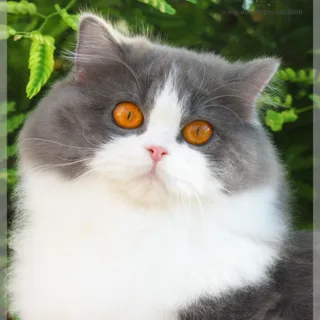
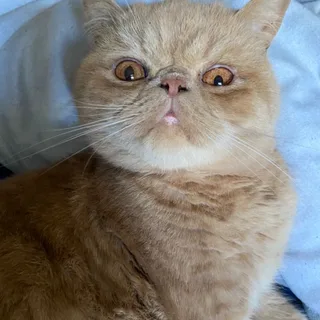
The Persian is a medium-sized cat with a compact and solid body, with a pronounced bone structure and a broad chest. Its head is round, its eyes are large and expressive, its ears are small and well spaced, and its nose is short. Its coat is long, dense and very full, with an abundant ruff that further accentuates its elegant appearance.
Temperament
Temperament and personality
The Persian is renowned for its peaceful, calm and affectionate temperament. It enjoys the company of its family and often seeks a stable, quiet and comfortable environment. Generally not very demonstrative amid commotion, it prefers gentle interactions and reassuring routines.
Living together
Living with children and animals
On a daily basis, the Persian likes to observe, rest and share quiet moments with those close to him. He is not the most athletic of cats and often proves more contemplative than a climber or tireless explorer. He adapts well to indoor life if his space is clean, serene and enriched with a few observation and resting spots.
Training
Training and socialization
The Persian is trained mainly through gentleness, consistency and a well-organized environment. Learning good habits involves an impeccable litter box, accessible scratching posts and stable reference points. Calm interactions and measured food rewards give better results than any form of constraint.
Budget
Persian price & budget
The purchase price of a Persian varies mainly depending on the quality of the origins, the seriousness of the breeding, the type sought and compliance with the standard. Kittens from tested lines and well socialized are logically more expensive. You must also anticipate the regular maintenance cost related to the coat and health monitoring.
View cost breakdownHealth
Health at a glance
The Persian is an endearing cat but one that requires particular attention in terms of health and maintenance. Its morphology, especially in the most typey lines, can promote certain respiratory, ocular and dental problems. Regular veterinary monitoring and serious breeding selection are essential.
Prevention & watch pointsDiet
Feed it well
The Persian needs a complete, highly digestible diet adapted to its age, activity level and body condition. Its often calm lifestyle requires avoiding excessive energy intake. Nutritional quality also plays an important role for the skin and the beauty of the coat.
Our feeding adviceDid you know?
Anecdotes and popularity
The Persian has long been one of the most iconic show cats. It exists in a very large number of colors and patterns, which has contributed to its international popularity. Its round expression and spectacular coat make it one of the most immediately recognizable feline silhouettes.