A menu for every age
Needs change over time
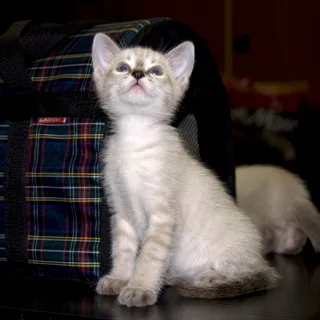
Kitten : Complete growth food, divided into several small meals.
Adult : Controlled ration, adapted to sterilization and indoor living.
Senior : Highly digestible food, monitoring kidneys, teeth and appetite.
Which food?
Kibble, wet food, or home-cooked diet?
Premium kibble or wet food for active cats are well suited, provided they properly cover the needs in animal proteins and are adjusted to its actual energy expenditure.
Amounts
How much should you give?
The daily ration must be adapted to weight, activity level, sterilization and the energy density of the chosen food. Regular monitoring of the silhouette makes it possible to adjust without excess.
| Weight | Daily amount | Meals/day |
|---|---|---|
| 3 - 4 kg | 52 - 76 g | 2 |
| 4 - 5 kg | 64 - 92 g | 2 |
| 5 - 6 kg | 76 - 108 g | 2 |
Change
Managing the food transition
Any change in diet must be made gradually over several days in order to limit digestive upsets and promote good acceptance.
Hydration
Water: do not overlook it
Fresh, clean water must remain available at all times. A water fountain or adding wet food can help cats that drink little.
Little extras
Treats, in moderation
Treats must remain occasional and included in the overall calculation of the ration. They are useful in training, but must not replace meals or promote weight gain.
Good habits
For a top-notch bowl
- Weigh the ration to avoid indoor overweight.
- Offer water in several places, possibly a fountain.
- Include treats in the day's total calorie intake.
Never give
In particular, chocolate, onion, garlic, grapes, alcohol, caffeine, cooked bones and very salty or fatty foods should be avoided, as they can cause digestive, neurological or kidney disorders, or severe poisoning in the cat.