Origins
Where does it come from?
The Highland Lynx is a recent feline breed that appeared in the mid-1990s in North Carolina, in the United States. Its first representatives were born in the cattery of Joe and Samra Childers, from crosses between the Desert Lynx and the Jungle Curl. This origin notably explains its curled ears, which have become one of its distinctive features. The breed was then recognized by TICA in 2008.
Appearance
What does it look like?
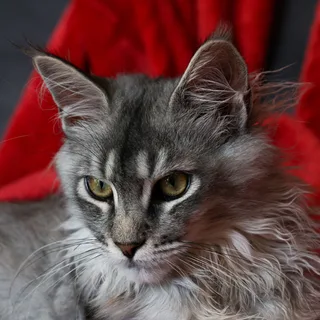
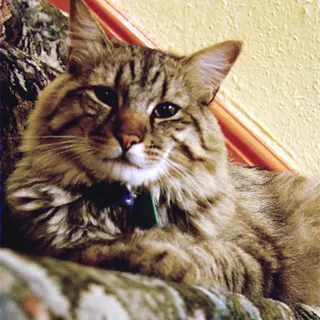
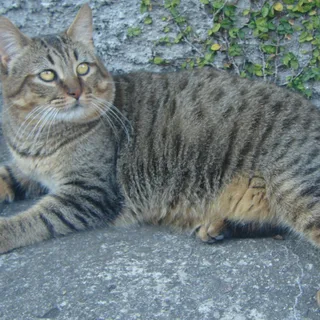
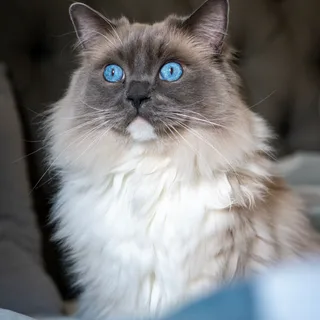
The Highland Lynx is a muscular, solid cat with an expressive look. It often has a broad muzzle, a well-developed chest and ears curled backward, which change as it grows. The breed is also known for its sometimes polydactyl paws and for individuals with a very short or absent tail. Its appearance evokes a small wild feline, while still remaining that of a domestic cat.
Temperament
Temperament and personality
The Highland Lynx is an affectionate, playful and sociable cat. It often retains a very juvenile behavior into adulthood and readily seeks interaction with its humans. It generally gets along well with children and other animals, while showing great intelligence and a good ability to adapt.
Living together
Living with children and animals
This cat likes to take part in household life, explore its environment and play regularly. It can enjoy both indoor comfort and secure outings or an enriched environment. Not very inclined to vocalize, it expresses itself mainly through its presence, its desire to play and its attachment to its family.
Training
Training and socialization
The Highland Lynx generally learns well when you focus on consistency, play, and positive reinforcement. Its curiosity and intelligence make it easier to acquire everyday routines and small playful exercises. Early socialization and a stimulating environment help it stay balanced.
Budget
Highland Lynx price & budget
The price of a Highland Lynx varies depending on rarity, type, health tests and socialization. Maintenance (food, litter, veterinarian) represents a regular budget.
View cost breakdownHealth
Health at a glance
The Highland Lynx is generally considered a rather robust cat, but health hindsight remains limited because the breed is recent. Careful monitoring is useful, in particular for the ears, the urinary tract and the spine in individuals with a very short or absent tail.
Prevention & watch pointsDiet
Feed it well
The Highland Lynx needs a balanced diet that properly covers its needs in animal proteins, quality fats, vitamins and minerals. The goal is to support its muscle mass, activity level and overall well-being.
Our feeding adviceDid you know?
Anecdotes and popularity
The Highland Lynx is also known as the Highlander. It is often compared to a dog for its taste for interactive play and its ability to fetch objects. Its silhouette, its curled ears and the frequency of polydactyly contribute strongly to its originality.