Origins
Where does it come from?
The Chien d'Oysel, also called Deutscher Wachtelhund, is a German hunting breed whose origins go back several centuries. Its structured development became especially established in the 19th century in Germany, notably from dogs originating from Upper Bavaria. Selected to flush game, follow the trail and work on varied terrain, it has established itself as an appreciated assistant to hunters for its versatility, its perseverance and its ease in wooded environments as well as in contact with water.
Appearance
What does it look like?
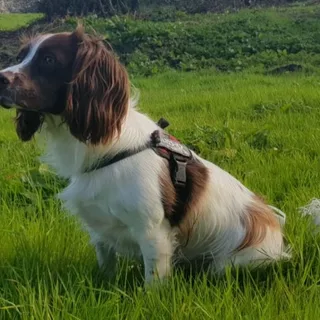
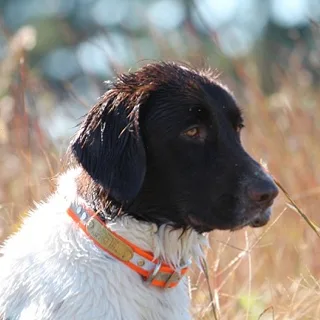
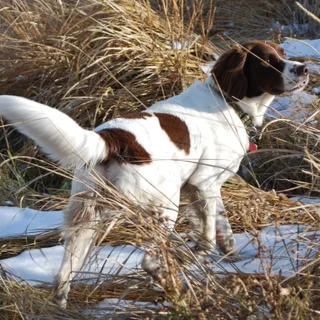
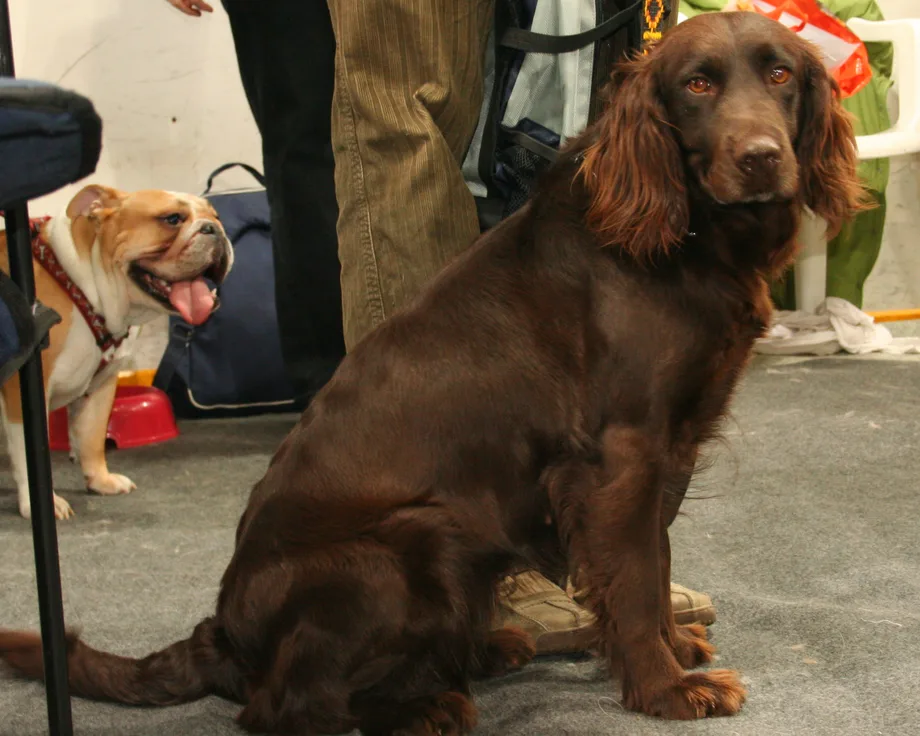
The Chien d'Oysel is a medium-sized dog, longer than tall, with a solid bone structure and well-developed musculature. Its robust silhouette fits into a rectangle, with a firm back, a long chest and a harmonious overall appearance without heaviness. Its head is elongated, the ears are pendulous and well furnished, and the brown eyes express attentiveness and gentleness. Its coat is medium-long, wavy to curly depending on the areas, with a dense undercoat that protects it well in the field.
Temperament
Temperament and personality
Friendly, docile and self-assured, the Chien d'Oysel combines the pleasant temperament of a family companion with the qualities of a true hunting dog. It is affectionate with those close to it, steady in many situations and not very prone to fear or aggression. Its keen nose, perseverance and voice nevertheless make it a dog very oriented toward work, with a marked hunting instinct.
Living together
Living with children and other pets
On a daily basis, the Chien d'Oysel needs activity, space and stimulation. It enjoys long outings, walks in nature and activities that engage its sense of smell. It likes to explore, follow trails and work in water as well as on land. Well integrated into family life, it remains more fulfilled in an active household than in an overly sedentary or confined setting.
Training
Training and socialization
Its training is generally accessible provided it is consistent, regular and sufficiently firm, without brutality. The Oysel Dog responds well when it understands what is expected of it and when it can channel its energy into useful activities. Recall, self-control and management of the chasing instinct must be worked on early, especially if the household has small animals.
Budget
Price and budget for the German Spaniel
The purchase price of the Chien d'Oysel depends mainly on the origin of the bloodline, the seriousness of the breeding and the availability of the breed, which remains little-known in many countries. It is preferable to favor a breeder that is transparent about health, temperament and the follow-up of the puppies.
See cost breakdownHealth
Health at a glance
The Chien d'Oysel is generally considered a hardy and robust dog. Its overall health is good, but like many medium-sized hunting breeds, it deserves careful monitoring of the musculoskeletal system as well as the ears and skin, especially in very active individuals or those often exposed to moisture and brush.
Prevention and things to watch forNutrition
Feeding your pet well
The Oysel Dog needs a complete, digestible and well-balanced diet, adapted to its age, its weight and above all to its activity level. During periods of sustained work, its energy needs increase markedly and the ration must be adjusted without excess.
Our feeding adviceDid you know?
Fun facts and popularity
The Oysel Dog is also known by the names German Oysel Dog, German Quail Dog and Deutscher Wachtelhund. Historically linked to the world of hunting, it is sought after for its versatility, its ability to flush game, its endurance and its ease on varied terrain, including in wetland areas.