Origins
Where does it come from?
The Drents Partridge Dog descends from the first spaniels that came from Spain to the Netherlands via France in the 16th century. In the province of Drenthe, breeders preserved this versatile hunting dog and its original type. The breed was officially recognized in the Netherlands in 1943, then its breed club was founded in 1948. The FCI recognizes it under number 224 within group 7 since 1960.
Appearance
What does it look like?
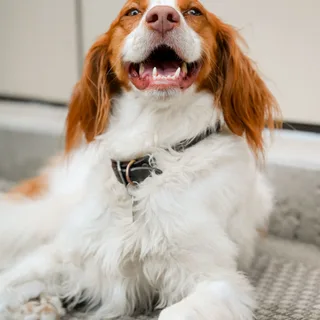
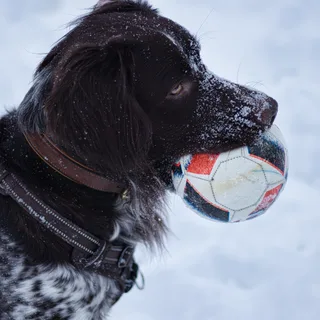
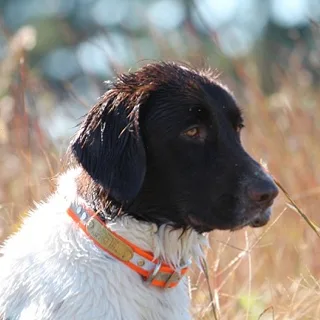
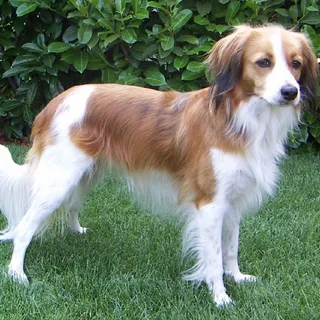
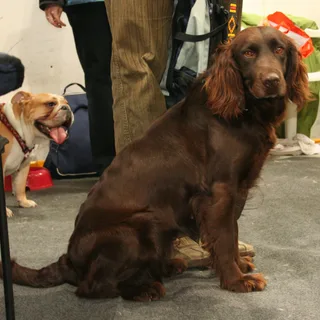
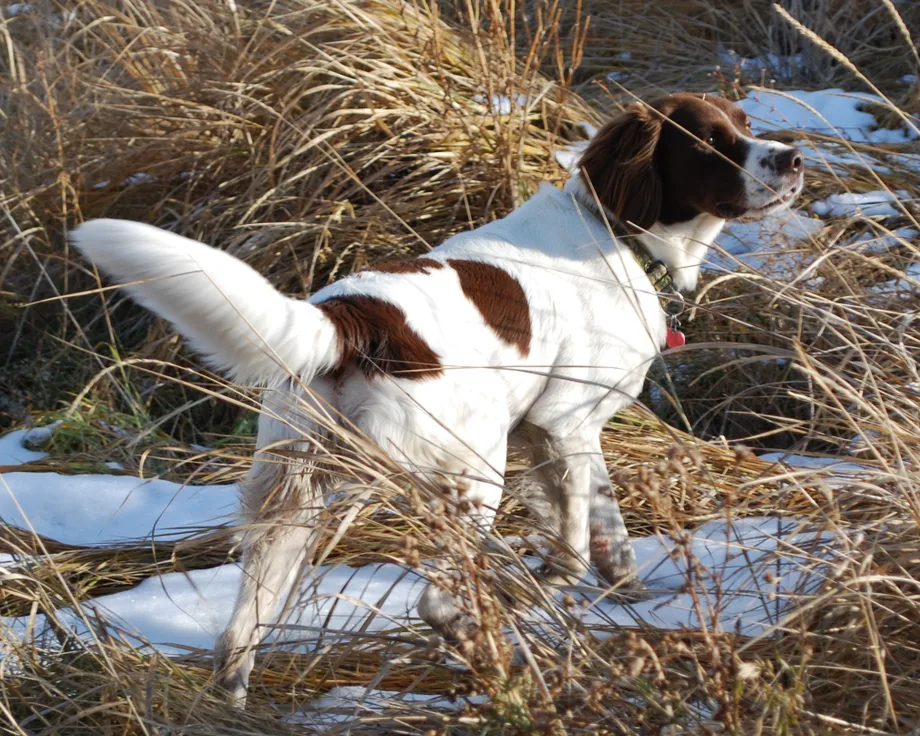
Medium-sized pointing dog, the Drentsche Partridge Dog has a slightly rectangular silhouette, well proportioned and endowed with lean musculature. Its medium-long coat is dense, accompanied by an undercoat that protects it well from moisture. The coat is predominantly white with brown markings, sometimes complemented by spots or ticking. The head is moderately long, the ears are pendant and the oval eyes express gentleness and intelligence.
Temperament
Temperament and personality
The Drents Partridge Dog is a loyal, affectionate dog that stays close to its home. Reserved without being fearful, it retains a balanced temperament and a true working intelligence. A hunting dog above all, it keeps a strong instinct and enjoys working together with its handler. Well socialized, it can become a pleasant family companion.
Living together
Living with children and other pets
Active on a daily basis, this dog needs long outings, varied exercises and regular opportunities to use its sense of smell. In action, it willingly stays in contact with its owner and shows itself to be diligent on varied terrain. At home, it appreciates the presence of its family, but tolerates poorly a life that is too sedentary. A fenced garden and real outdoor activities suit it clearly better than a purely urban lifestyle.
Training
Training and socialization
His training must be firm, consistent and always respectful, because the Drentsche Partridge Dog is sensitive to brutality. Positive reinforcement generally gives better results than a harsh approach. Recall, self-control and socialization must be worked on early, especially in a dog intended for hunting. With regularity and an involved owner, he becomes a cooperative companion and pleasant to live with.
Budget
Price and budget for the Drentsche Patrijshond
The price of a Drents Partridge Dog varies depending on the lineage, the seriousness of the breeding, the screenings and the socialization. The maintenance budget (food, veterinarian, training) often exceeds the purchase price over time.
See cost breakdownHealth
Health at a glance
The Drentsche Partridge Dog is an overall robust dog, well helped by its double coat which protects it from bad weather. Like many medium-sized hunting breeds, it nevertheless requires serious monitoring of the joints, ears and certain hereditary risks. Regular hygiene and rigorous breeding contribute greatly to preserving its health over the long term.
Prevention and things to watch forNutrition
Feeding your pet well
The Drentsche Partridge Dog needs a balanced, quality diet, adapted to its age, size and above all to its activity level. A hunting and outdoor dog, it can have significantly higher energy needs during periods of work or long outings. The ration must therefore be adjusted according to its actual lifestyle.
Our feeding adviceDid you know?
Fun facts and popularity
This Dutch breed is also known under the names Drentsche Patrijshond, Drentsche Partridge Dog and Dutch Drenthe Spaniel. In search of game, it is renowned for its ability to stay connected with its handler and for the characteristic circular movements of its tail. Still relatively rare outside its country of origin, it remains very attached to its identity as a versatile pointing dog.