Dogs

Cane di mannara: temperament, price, health, and breeders

Italy (Sicily)

Ancient Sicilian mastiff guardian of sheepfolds, rustic, calm and protective.

Size LargeLife expectancy 11–14 yearsBudget ≈ 145 €/monthPuppy 800–1,500 €

Right choice?

Is it right for you?

Family & children Very good
Daily activity required Moderate
Apartment living Limited
First-time owner Fairly good
Other pets Good
Tolerance for being alone Fairly good
Guarding instinct Excellent

Pros & Cons

  • Reliable guardian : He protects his family and territory with determination.
  • Gentle with family : Calm and patient with children.
  • Hardy : He tolerates heat and outdoor living well.
  • Wary of strangers : Extensive socialization is necessary.
  • Very rare : It is difficult to find a puppy outside Sicily.
  • Needs space : It is not suitable for the city.

Who is it for?

Ideal for

  • Rural properties : He excels at guarding an estate.
  • Livestock breeders : He is a traditional sheepfold guardian.
  • Experienced masters : For those who know guard molossers.

Not recommended for

  • Apartment : Its size and guarding instinct are not suited to it.
  • Beginners : Its temperament requires experience.
  • Very busy households : Numerous visits can put it under stress.

Portrait

What does it look like?

1,75 mHuman
63 cmCane di mannara
Height at withers
58–68 cm
Weight
35–55 kg
Coat
Medium-length, wavy to curly
FCI group
Shepherd Molossoid (recognized by the ENCI)
Origin
Italy (Sicily)
Grooming
Easy grooming

Photos & videos

Discover the Cane di mannara in photos and videos: coats, sizes, and the breed’s distinctive expressions.

No photos or videos available yet.

Origins

Where does it come from?

The Cane di mannara, also called Mastino siciliano, is an ancient guard dog from Sicily. Its name comes from the « mànnara », the stone enclosure where shepherds sheltered their flocks at night, which these dogs defended against thieves and predators. Selected for centuries for its usefulness rather than its appearance, it remained confined to the Sicilian countryside for a long time. Enthusiasts undertook its preservation, and the ENCI entered it in its studbook under the name Mastino siciliano. It is not yet definitively recognized by the FCI.

Appearance

What does it look like?

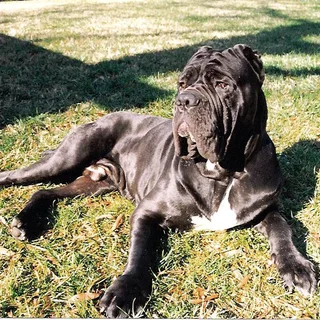
It is a large, powerful but not heavy molossoid, about 58 to 68 cm at the withers, the female being visibly smaller than the male. The head is strong, the muzzle broad, the ears drooping. The coat is medium-long, wavy to curly. The colours range from fawn, mahogany to cream, black, black and tan, grey, liver or brindle, often with more or less extensive white markings.

Temperament

Temperament and personality

Wary of strangers, the Cane di mannara is a determined and self-confident guardian. With its family, it is calm, docile and particularly gentle with children and the elderly. It is peaceful with the animals entrusted to it, faithful to its role as a herd protector.

Affectionate Intelligent Sociable Protective

Living together

Living with children and animals

He needs a large area to watch over and regular walks, but not intense exertion. He lives better in the countryside than in the city and does not tolerate confinement or prolonged isolation well.

Training

Training and socialization

Intelligent and independent, it requires early, firm and caring education. Socialization with a variety of people and dogs is essential to avoid excessive distrust in adulthood.

Budget

Cane di mannara price & budget

The Cane di mannara is mainly bred in Sicily by a few passionate breeders. It remains very rare outside Italy.

View cost breakdown

Health

Health at a glance

Rustic breed selected for work, the Cane di mannara is reputed to be sturdy. Like other large dogs, it may be affected by hip dysplasia and gastric torsion.

Prevention & watch points

Diet

Feed it well

Large rustic dog, it needs a complete diet suited to large sizes.

Our feeding advice

Did you know?

Anecdotes and popularity

Morphological, genealogical and genetic studies conducted in Italy served to document the breed and support its recognition by the ENCI. In the Sicilian countryside, it was simply referred to as the sheepfold dog, without a breed name.

FAQ

Frequently asked questions about Cane di mannara

Everything future adopters wonder about before their companion arrives.

Yes. Mastino siciliano is the name under which the ENCI registered the breed; Cane di mannara is its traditional name.

Yes, with experienced owners: it is gentle with its own people but remains a guardian wary of strangers.

Not yet definitively; it is recognized in Italy by the ENCI.

Ready to welcome a Cane di mannara?

Find a registered, verified breeder near you, and meet your future companion with peace of mind.

View breeders