Origins
Where does it come from?
The Austrian Short-haired Pinscher descends from the old farm dogs of rural Austria, valued for their versatility, their vigilance and their simple maintenance. The first organized breeding programs appeared at the beginning of the 1920s, before recognition by the Austrian Kennel Club in 1928. The breed has been definitively recognized by the FCI since 1954.
Appearance
What does it look like?
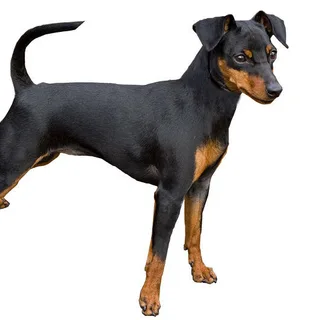
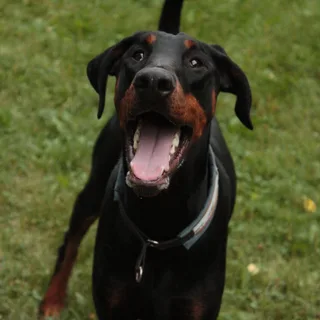
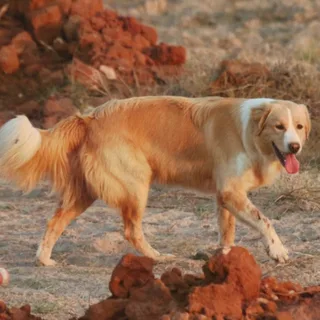
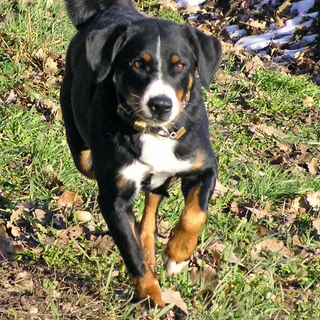
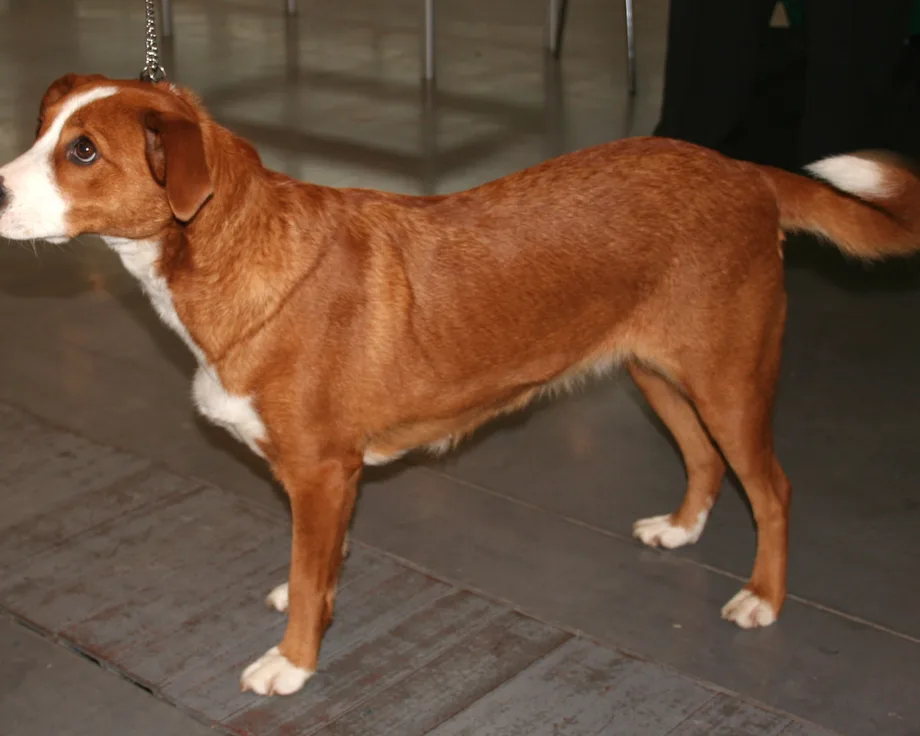
The Austrian Short-haired Pinscher is a medium-sized dog, stocky and solidly built, with a harmonious and lively silhouette. Its coat is short, dense and backed by an undercoat, the head suggests a pear shape, the ears are small and semi-erect, and the expression remains very alert. The coat can be yellow-brown, red, golden wheaten or black with tan markings, sometimes with white markings.
Temperament
Temperament and personality
The Austrian Short-haired Pinscher is a firm, attentive and playful dog, very attached to its home. It is naturally wary of strangers, which makes it a good guard dog, without being a hunting dog at heart. With its family, it can be pleasant, lively and involved in daily life.
Living together
Living with children and other pets
Active and alert, he needs space and regular activities to stay balanced. He adapts to different lifestyles, but generally feels better in a setting with an enclosed outdoor area and real physical exertion. If he lacks stimulation, boredom can encourage undesirable behaviors and more pronounced vocalizations.
Training
Training and socialization
His training requires patience, consistency and a relationship of trust. Measured firmness can be useful, but any brutality must be avoided. Positive reinforcement methods, with rewards and encouragement, are well suited to this active and intelligent dog, even if his obedience is not the most spontaneous.
Budget
Price and budget for the Austrian Pinscher
The price of an Austrian Short-haired Pinscher varies depending on the lineage, the seriousness of the breeding, the screenings and the socialization. The maintenance budget (food, veterinarian, education) often exceeds the purchase price over time.
See cost breakdownHealth
Health at a glance
The Austrian Short-haired Pinscher is generally considered a solid, robust and hardy dog. Its overall health profile is good, even if a few orthopedic and dermatological conditions deserve particular vigilance depending on the bloodlines and lifestyle.
Prevention and things to watch forNutrition
Feeding your pet well
The diet of the Austrian Short-haired Pinscher must be adapted to its age, its medium size and above all to its activity level. A good-quality ration helps support its muscle mass, its recovery and the balance of its skin and coat.
Our feeding adviceDid you know?
Fun facts and popularity
This dog was long appreciated on Austrian farms for its ability to alert, watch over and share daily life without requiring complicated maintenance. Even today, it remains a fairly little-known breed outside its country of origin, which explains its discretion in French-speaking households.