Origins
Where does it come from?
Originally from the Sahel and more particularly associated with Mali, the Azawakh Greyhound long accompanied the Tuareg, Fulani and Dahoussahaq nomads in difficult living conditions. Used as a versatile sighthound hunter, it also served to keep predators away around the camps. Exported to Europe from the end of the 1960s, it was definitively recognized by the FCI in 1980.
Appearance
What does it look like?
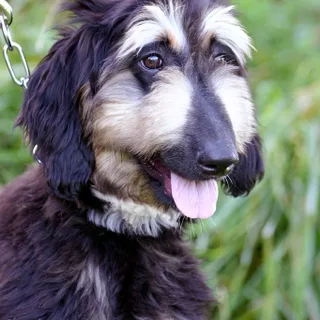
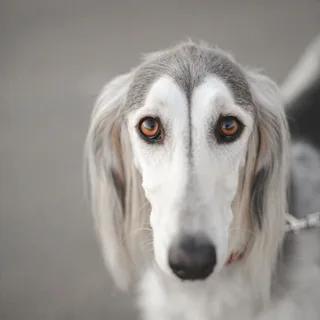
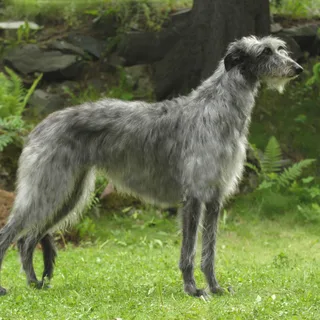
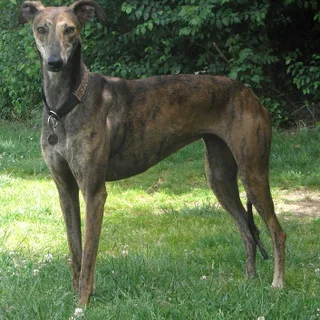
The Azawakh Greyhound is a long-limbed dog, very elegant and lean, with fine musculature and a light bone structure. Its head is elongated, narrow and well defined, its eyes are almond-shaped, its ears drooping and its chest high with a very tucked-up belly. Its coat is very short and fine, almost absent on the belly, and its coat color is fawn in different shades, sometimes brindled with black, with black mask permitted.
Temperament
Temperament and personality
The Azawakh Greyhound is gentle and affectionate with its owner and its close circle, but it generally remains very reserved towards strangers. Lively, attentive and with an assertive temperament, it retains a strong aptitude as a sight hunter. It is not excessively stubborn, but it appreciates a consistent framework that respects its sensitivity.
Living together
Living with children and animals
This sighthound needs freedom, space and sustained daily outings to remain balanced. He likes to run and cover long distances, which makes him more comfortable in a house with a well-secured garden than in a small urban home. On a daily basis, he is calm at home if his physical needs have been properly met.
Training
Training and socialization
The education of the Azawakh Greyhound must combine firmness, gentleness and regularity. It is a sensitive dog that reacts badly to brutality and progresses better with positive reinforcement methods. Early socialization and stable reference points help to channel its natural reserve and to build good cooperation.
Budget
Azawakh price & budget
The Azawakh Greyhound remains a rare breed, which influences its purchase price and the availability of puppies. The cost must always be put into perspective with the quality of breeding, socialization, health monitoring and the traceability of bloodlines.
View cost breakdownHealth
Health at a glance
The Azawakh Greyhound is generally considered a robust and resilient dog when it lives in good conditions and benefits from regular veterinary follow-up. Its lean silhouette is normal for the breed and should not be confused with pathological weight loss. Its main point of vigilance remains its poor tolerance to cold.
Prevention & watch pointsDiet
Feed it well
The Azawakh Greyhound needs a complete, high-quality diet, adapted to its age, its size and its level of exercise. Its ration must support lean musculature and a significant energy expenditure without promoting excesses.
Our feeding adviceDid you know?
Anecdotes and popularity
Among the Tuaregs, the Azawakh Greyhound is also known as Oska. The breed has also been called South Saharan Greyhound, Tuareg Greyhound or Tuareg Sloughi. Its history is closely linked to the vast Sahelian expanses, where its endurance, vigilance and speed were particularly sought after.