
Longevity
Life expectancy
With a balanced diet, regular activity, appropriate vaccines and preventive veterinary follow-up, this cat generally lives between 10 and 15 years. Lifestyle, weight, oral health and the quality of care influence its individual longevity.
Constitution
Is this a robust breed?
The breed shows good overall robustness and no characteristic hereditary condition is documented to date. This sturdiness does not exempt from annual check-ups, parasite prevention, or regular monitoring of the ears, eyes, teeth, and body condition.
Things to watch for
What to look out for
Vigilance focuses mainly on protection against the cold, prevention of feline infectious diseases and maintaining a stable weight. Any change in appetite, behavior, breathing, bowel movements or coat appearance warrants veterinary advice.
Sensitivity to extreme cold: The absence of guard hair reduces thermal protection and requires quick access to a warm space when temperatures drop sharply.
Feline infectious diseases: Like any cat, it must be protected according to its lifestyle against panleukopenia, cat flu, leukemia and, when necessary, rabies.
Climate
Tolerance to cold and heat
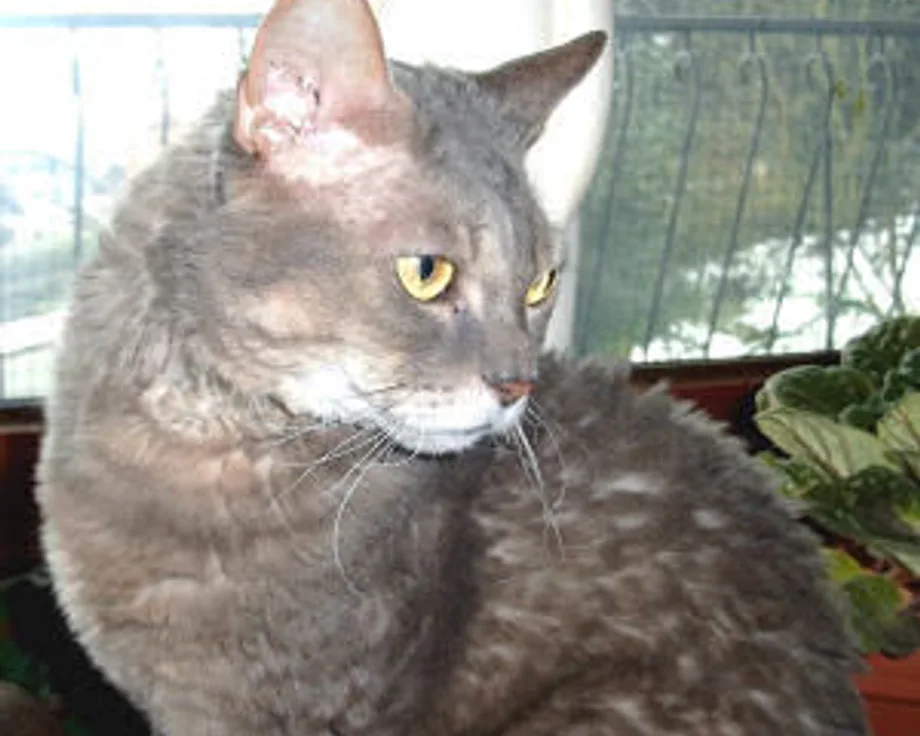
Its short, wavy coat, lacking guard hairs, protects less effectively against very low temperatures. A warm bed, a temperate indoor environment and outings limited during severe cold are recommended. During periods of intense heat, it must have shade, fresh water and a ventilated space without prolonged exposure to the sun.
Weight
Prone to weight gain
Its adult weight generally ranges between 3 and 7 kg depending on sex and body type. The ration must be adjusted to its age, its neutering and its activity, then monitored thanks to regular weighing and the evaluation of its silhouette. Hunting games and interactive feeders help preserve its musculature without encouraging snacking.
Everyday care
Good habits to keep your pet healthy
- Schedule a veterinary check-up at least once a year.
- Adapt vaccines and antiparasitic treatments to the lifestyle.
- Regularly check the eyes, ears, and mouth.
- Protect the cat from going outside in very cold weather.
- Monitor weight and coat condition each month.
Vaccination
German Rex vaccinations: schedule
Which vaccines does a German Rex need? Like all cats, German Rexs should receive their core vaccines from 8 weeks of age: Typhus (panleukopenia) and Coryza. Kittens receive their initial German Rex vaccinations in several shots spaced 4 weeks apart, followed by a first booster at 1 year, even if they live indoors. Depending on their lifestyle (outdoor access, living with other cats, shows, travel), your veterinarian may add vaccines against Feline leukemia (FeLV), Rabies and Chlamydiosis.
| Vaccine | Primary vaccination | First booster | Then | For whom? |
|---|---|---|---|---|
Typhus (panleukopenia)Core Feline panleukopenia (cat parvovirus) | 8 weeks · 12 weeks · 3 months | 1 year | every year | All animals |
CoryzaCore Feline herpesvirus and calicivirus | 8 weeks · 12 weeks · 3 months | 1 year | every year | All animals |
Feline leukemia (FeLV)Depending on lifestyle Feline leukemia virus | 8 weeks · 12 weeks | 1 year | every year | Outdoor cats, cats living in a group or in a cattery |
RabiesDepending on lifestyle Rabies | 12 weeks | 1 year | every year | Mandatory for travel abroad, cat shows and most boarding kennels |
ChlamydiosisDepending on lifestyle Chlamydia felis (contagious conjunctivitis) | 8 weeks · 12 weeks | 1 year | every year | Cats living in groups, catteries, show cats |
Adult German Rex booster shots are given annually for feline herpesvirus and feline leukemia if your cat goes outdoors. For feline panleukopenia, a booster every three years is often enough after the first booster. Your veterinarian will tailor the schedule to your cat's lifestyle.
Which boosters does your German Rex need?
Enter your companion's age to see which vaccines are due now and when the next boosters are needed.
Choosing well
Adopting a healthy German Rex
An annual veterinary examination is recommended, with monitoring of weight, mouth, heart, ears, eyes and coat. The vaccination and antiparasitic protocol must be personalized according to outdoor access, contact with other cats and travel. Before breeding, a clinical assessment of breeding cats and documented knowledge of bloodlines remain essential despite the absence of any known genetic disease.
This information is for guidance only and doesn't replace advice from a veterinarian. If you have any concerns about your pet's health, consult a professional.