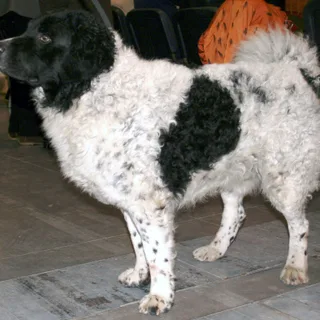
Longevity
Life expectancy
With a life expectancy often between 10 and 14 years, the Portuguese Water Dog can remain active for quite a long time when it benefits from an appropriate diet, a good level of exercise and regular medical follow-up. The quality of breeding and the prevention of hereditary conditions strongly influence its longevity.
Build
A robust breed?
This dog is known to be resilient, athletic and well equipped for an active life. Its sturdiness does not, however, eliminate the need for real vigilance regarding the musculoskeletal system, the eyes and certain genetic diseases identified in the breed, especially if the puppy’s origin is not rigorously documented.
Watch points
What to watch for
The breed requires particular attention to hereditary conditions and to joint, ophthalmological and endocrine monitoring. The ears also deserve regular monitoring, especially in dogs that swim often, because repeated moisture can promote ear infections.
Cardiomyopathy : A heart condition that can reduce exercise tolerance and requires specialized veterinary monitoring.
GM1 gangliosidosis : A severe hereditary neurological disease in young dogs, notably responsible for balance disorders.
Hip dysplasia : A joint condition that can cause pain, lameness, and osteoarthritis that may appear sooner or later.
Addison's disease : An endocrine disease that requires rapid diagnosis and long-term treatment.
Cataract : A progressive clouding of the lens that can reduce vision with age.
Follicular dysplasia : A skin and coat condition that can affect coat quality and skin health.
Climate
Cold and heat tolerance
The Portuguese Water Dog tolerates cold rather well thanks to its dense coat and copes suitably with heat if exertion is adjusted, hydration maintained and intense outings avoided during the hottest hours. Like any sporting dog, it must always have fresh water available and time to recover.
Weight
Tendency to gain weight
The breed is not particularly known for a strong tendency to become overweight, but its good appetite and its variable energy expenditure depending on lifestyle require adjusting rations. A visual check of the silhouette, regular weighing and daily activities help maintain a stable ideal weight.
Daily life
Good habits to keep it healthy
- Dry and clean the ears after swimming to reduce the risk of otitis.
- Choose a breeder who tests breeding dogs for known hereditary diseases.
- Consult promptly in case of lameness, decreased vision, or exercise intolerance.
Vaccination
Portuguese Water Dog vaccines: vaccination schedule
Which vaccines for a Portuguese Water Dog? Like all cats, the Portuguese Water Dog receives essential vaccines from 8 weeks old: Typhus (panleukopenia) and Coryza. The kitten primary vaccination for Portuguese Water Dog is given in several injections 4 weeks apart, followed by a first booster at 1 year, even if it lives in an apartment. Depending on its lifestyle (outdoor access, multi-cat household, shows, travel), your veterinarian may complete the protocol with vaccines against Feline leukemia (FeLV), Rabies and Chlamydiosis.
| Vaccine | Primary series | First booster | Then | Who for? |
|---|---|---|---|---|
Typhus (panleukopenia)Core Feline panleukopenia (cat parvovirus) | 8 weeks · 12 weeks · 3 months | 1 year | every year | All pets |
CoryzaCore Feline herpesvirus and calicivirus | 8 weeks · 12 weeks · 3 months | 1 year | every year | All pets |
Feline leukemia (FeLV)Lifestyle-based Feline leukemia virus | 8 weeks · 12 weeks | 1 year | every year | Outdoor cats, cats living in a group or in a cattery |
RabiesLifestyle-based Rabies | 12 weeks | 1 year | every year | Mandatory for travel abroad, cat shows and most boarding kennels |
ChlamydiosisLifestyle-based Chlamydia felis (contagious conjunctivitis) | 8 weeks · 12 weeks | 1 year | every year | Cats living in groups, catteries, show cats |
Adult Portuguese Water Dog vaccine boosters are annual for cat flu and leukemia if it goes outdoors; for panleukopenia, a booster every three years is often sufficient after the first booster. Your veterinarian will adjust the schedule to your cat’s lifestyle.
Which boosters for your Portuguese Water Dog?
Enter your companion’s age: we list the vaccines to do now and the next boosters.
Adopting well
Adopting a healthy Portuguese Water Dog
It is relevant to favor breeding dogs tested for the main hereditary diseases of the breed and to request hip monitoring as well as an ophthalmological check. In the puppy as in the adult, regular veterinary check-ups remain essential to detect early any locomotor, ocular, neurological or endocrine disorder.
This information is provided for guidance only and does not replace a veterinarian’s advice. If you have any concerns about your pet’s health, consult a professional.