A menu for every age
Their needs change as they grow
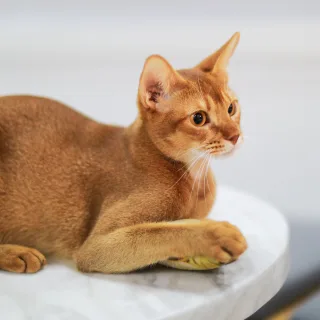
Kitten: A complete diet for growth, richer in energy and given in several small meals, promotes harmonious development.
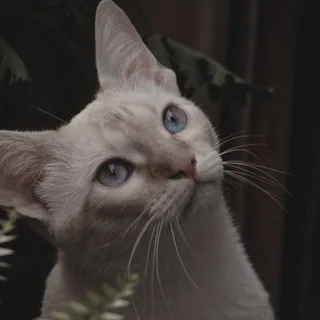
Adult: The ration must cover its energy needs without excess, with particular attention to its activity level and lifestyle.
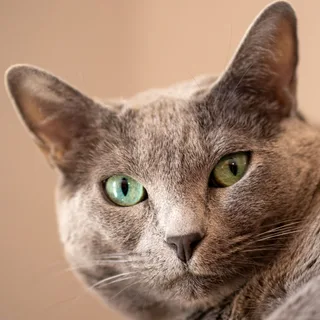
Senior: With age, the diet can be adjusted to support muscle mass, hydration, and overall comfort under veterinary supervision.
Which food?
Kibble, wet food, or homemade meals?
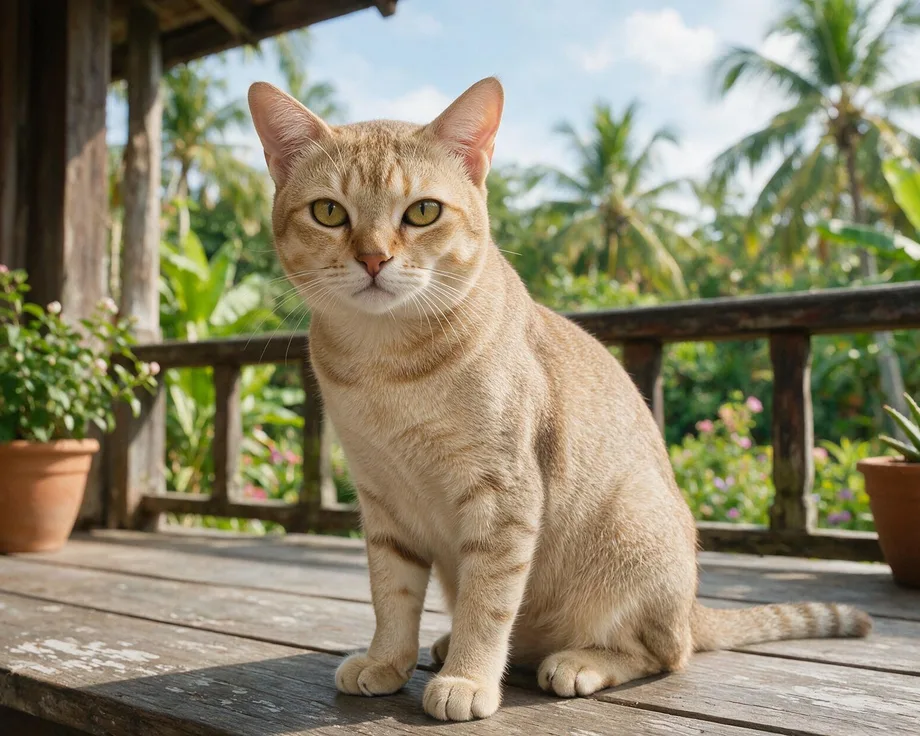
A complete premium diet, rich in animal proteins and moderate in carbohydrates, is generally well suited to the Ceylan. The choice between kibble, wet food or a mixed diet depends mainly on its appetite, its hydration and the veterinarian’s recommendations.
Portion sizes
How much should you feed?
Quantities must be adjusted to the cat’s age, weight, neutering status, and activity level. An indoor Ceylan that is very playful will not have exactly the same needs as an individual with access to the outdoors.
| Weight | Daily amount | Meals per day |
|---|---|---|
| 3 - 4 kg | 52 - 76 g | 2 |
| 4 - 5 kg | 64 - 92 g | 2 |
| 5 - 6 kg | 76 - 108 g | 2 |
Changing food
How to switch foods successfully
Any dietary transition must be done gradually over several days in order to limit digestive disorders and promote good acceptance of the new ration.
Hydration
Don't overlook water
Fresh, clean water must remain available at all times. Like many cats, the Ceylan may hydrate better if you increase the number of water points or if you include a portion of wet food.
A little extra
Treats in moderation
Treats must remain occasional and be included in the calculation of daily intake. They can be useful to positively reinforce certain habits, without exceeding a small part of the total ration.
Good habits
Make mealtimes count
- Weigh the ration regularly to avoid excess.
- Split meals if the cat often begs or eats too quickly.
- Encourage hydration with several water points or wet food.
Never feed these foods
Chocolate, onion, garlic, grapes, alcohol, caffeine, cooked bones and many products intended for humans can be toxic to cats and cause digestive, neurological or kidney disorders. In case of ingestion, you must quickly contact a veterinarian.