A menu for every age
Needs change over time
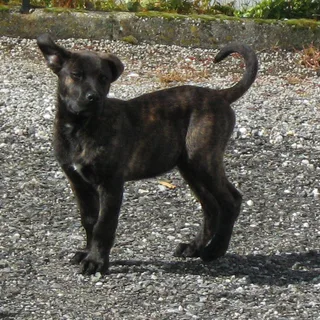
Puppy : Choose a formula for giant breeds, divide the ration into three meals and maintain slow growth without non-prescribed mineral supplementation.
Adult : Provide two measured meals and adjust the intake to the activity to maintain an athletic silhouette.
Senior : Favor a digestible ration, moderately energetic and adapted to mobility, with regular monitoring of weight and kidney function.
Which food?
Kibble, wet food, or home-cooked diet?
Quality kibble formulated for large or very large breeds is suitable, as is a home-prepared ration calculated by a veterinary nutritionist. The formula must provide digestible animal proteins, a moderate energy density and an appropriate calcium-phosphorus ratio, particularly during growth.
Amounts
How much should you give?
The daily amount depends heavily on the caloric density of the food, the actual weight, age, sterilization and activity level. The manufacturer's guidelines serve as a starting point, then the ration is adjusted according to body condition and veterinary recommendations.
| Weight | Daily amount | Meals/day |
|---|---|---|
| 55 - 65 kg | 600 - 750 g | 2 |
| 66 - 75 kg | 700 - 900 g | 2 |
| 76 - 90 kg | 850 - 1 100 g | 2 |
Change
Managing the food transition
Any change of food must be gradual over seven to ten days, by gradually increasing the proportion of the new food. This transition reduces the risk of diarrhea, gas and food refusal.
Hydration
Water: do not overlook it
Clean, fresh water must remain available at all times, especially in hot weather and after activity. It is preferable to let the dog calm down before drinking very large quantities all at once.
Little extras
Treats, in moderation
Treats should remain small, low in fat and integrated into the daily ration. They are useful for training, but their total intake should not unbalance the diet or promote weight gain.
Good habits
For a top-notch bowl
- Weigh the ration with a scale rather than using a visual estimate.
- Split the adult diet into two daily meals.
- Avoid intense exertion just before and during the two hours following the meal.
- Monitor the silhouette and weight changes each month.
- Choose stable bowls and let the dog eat calmly.
Never give
Chocolate, grapes and raisins, onion, garlic in large quantities, xylitol, alcohol, caffeine, macadamia nuts, cooked bones and very salty or very fatty foods must be avoided, as they can cause poisoning, obstruction, pancreatitis or serious disorders.