Longevity
Life expectancy
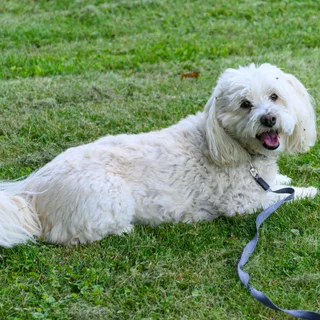
Its usual life expectancy is between 12 and 15 years. A suitable diet, weight control, regular activity and regular dental care contribute to good longevity.
Build
A robust breed?
The breed shows good overall robustness, with a score of 4 out of 5 in the reference sheet. Its small size should not, however, lead to underestimating the possible fragility of the kneecaps, trachea, eyes and teeth.
Watch points
What to watch for
Veterinary check-ups should primarily focus on the joints, the heart, the eyes, the respiratory tract and oral health. A prompt consultation is recommended in case of lameness, persistent cough, breathing difficulty, ocular discharge or a drop in condition.
Cataract : Clouding of the lens can progressively impair vision and requires ophthalmologic monitoring.
Tracheal collapse : A collapse of the trachea can cause a dry cough, breathing discomfort, and exercise intolerance.
Patellar luxation : Common in small dogs, it can lead to a hopping gait or intermittent lameness.
Progressive retinal atrophy : This hereditary retinal condition can lead to a progressive loss of vision.
Patent ductus arteriosus : This congenital heart malformation disrupts blood circulation and may require specialized care.
Congenital portosystemic shunt : An abnormal diversion of hepatic blood flow can cause digestive or neurological disorders, or growth retardation.
Climate
Cold and heat tolerance
The Maltese Bichon does not tolerate cold and humidity well, despite its long coat. In winter, walks must be adapted and the dog carefully dried upon return. Its tolerance to heat is average: cooler hours should be favored, shade provided and intense exertion avoided during high temperatures.
Weight
Tendency to gain weight
Its tendency to gain weight is moderate. The ration must be measured according to its weight, its age, its physiological condition and its activity level. Treats must remain limited and included in the daily energy intake.
Daily life
Good habits to keep it healthy
- Brush the teeth several times a week to limit tartar.
- Gently clean the secretions around the eyes.
- Inspect the ears each week and keep them clean.
- Have any lameness or persistent cough examined promptly.
- Protect the dog from cold, humidity, and extreme heat.
Vaccination
Maltese vaccines: vaccination schedule
Which vaccines for a Maltese? Like all cats, the Maltese receives essential vaccines from 8 weeks old: Typhus (panleukopenia) and Coryza. The kitten primary vaccination for Maltese is given in several injections 4 weeks apart, followed by a first booster at 1 year, even if it lives in an apartment. Depending on its lifestyle (outdoor access, multi-cat household, shows, travel), your veterinarian may complete the protocol with vaccines against Feline leukemia (FeLV), Rabies and Chlamydiosis.
| Vaccine | Primary series | First booster | Then | Who for? |
|---|---|---|---|---|
Typhus (panleukopenia)Core Feline panleukopenia (cat parvovirus) | 8 weeks · 12 weeks · 3 months | 1 year | every year | All pets |
CoryzaCore Feline herpesvirus and calicivirus | 8 weeks · 12 weeks · 3 months | 1 year | every year | All pets |
Feline leukemia (FeLV)Lifestyle-based Feline leukemia virus | 8 weeks · 12 weeks | 1 year | every year | Outdoor cats, cats living in a group or in a cattery |
RabiesLifestyle-based Rabies | 12 weeks | 1 year | every year | Mandatory for travel abroad, cat shows and most boarding kennels |
ChlamydiosisLifestyle-based Chlamydia felis (contagious conjunctivitis) | 8 weeks · 12 weeks | 1 year | every year | Cats living in groups, catteries, show cats |
Adult Maltese vaccine boosters are annual for cat flu and leukemia if it goes outdoors; for panleukopenia, a booster every three years is often sufficient after the first booster. Your veterinarian will adjust the schedule to your cat’s lifestyle.
Which boosters for your Maltese?
Enter your companion’s age: we list the vaccines to do now and the next boosters.
Adopting well
Adopting a healthy Maltese
An examination of the patellas and a cardiac check-up are recommended in breeding dogs. Ophthalmological follow-up can complement this monitoring due to possible eye conditions. The veterinarian also checks the teeth, ears and trachea during regular visits.
This information is provided for guidance only and does not replace a veterinarian’s advice. If you have any concerns about your pet’s health, consult a professional.