Longevity
Life expectancy
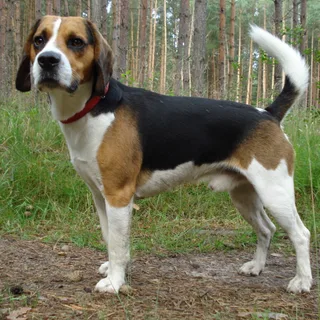
With an adapted lifestyle, the Beagle often lives between 12 and 15 years. A measured diet, a good level of physical activity, regular veterinary follow-up and serious prevention of overweight clearly help to preserve its longevity. Well-bred and well-maintained individuals generally age in a harmonious way.
Build
A robust breed?
The Beagle tolerates an active life well and has an overall fairly solid constitution. Its robustness remains better when its weight is kept under control, its ears are monitored and it benefits from sufficient daily exercise. This is not a fragile breed, but it requires regular prevention on a few targeted points.
Watch points
What to watch for
Vigilance focuses mainly on the ears, weight, skin, as well as on certain hereditary disorders depending on the lines, notably thyroid, ocular or neurological. Simple but consistent monitoring often makes it possible to detect problems early and prevent them from becoming established. The choice of a serious breeder, attentive to the health of the breeding dogs, matters a lot in prevention.
Otitis : Long, drooping ears retain heat and moisture more easily, which promotes inflammation and ear infections.
Overweight : Greediness and insufficient exercise easily lead to weight gain, with an impact on the joints and overall health.
Hypothyroidism : This endocrine condition can manifest as weight gain, reduced energy, and skin disorders, and requires veterinary follow-up.
Epilepsy : Some individuals may have seizures that require an accurate diagnosis and appropriate management.
Eye conditions : Depending on the bloodlines, certain eye problems may be observed and warrant veterinary vigilance in case of redness, pain, or reduced vision.
Climate
Cold and heat tolerance
The Beagle tolerates temperate climates fairly well thanks to its dense short coat and its good vitality. It copes better with moderate cool than with prolonged high heat, especially during exertion. In summer, outings should be favored during the mildest hours, intense exercise limited, and it should always be left with easy access to water. In winter, a less active or older subject will appreciate more being dried and protected after a damp and cold outing.
Weight
Tendency to gain weight
The Beagle often has a very good appetite and knows how to beg convincingly, which quickly promotes weight gain. It is important to weigh portions, limit treats and adjust energy intake to its actual activity level. Regular weigh-ins and a closely monitored body shape are very useful to prevent obesity.
Daily life
Good habits to keep it healthy
- Check the ears every week and dry them well after water.
- Monitor weight with regular weigh-ins.
- Work on recall early and keep a long line if necessary in open areas.
- Schedule an annual veterinary check-up, or more frequently for seniors.
Vaccination
Beagle vaccines: vaccination schedule
Which vaccines for a Beagle? Like all cats, the Beagle receives essential vaccines from 8 weeks old: Typhus (panleukopenia) and Coryza. The kitten primary vaccination for Beagle is given in several injections 4 weeks apart, followed by a first booster at 1 year, even if it lives in an apartment. Depending on its lifestyle (outdoor access, multi-cat household, shows, travel), your veterinarian may complete the protocol with vaccines against Feline leukemia (FeLV), Rabies and Chlamydiosis.
| Vaccine | Primary series | First booster | Then | Who for? |
|---|---|---|---|---|
Typhus (panleukopenia)Core Feline panleukopenia (cat parvovirus) | 8 weeks · 12 weeks · 3 months | 1 year | every year | All pets |
CoryzaCore Feline herpesvirus and calicivirus | 8 weeks · 12 weeks · 3 months | 1 year | every year | All pets |
Feline leukemia (FeLV)Lifestyle-based Feline leukemia virus | 8 weeks · 12 weeks | 1 year | every year | Outdoor cats, cats living in a group or in a cattery |
RabiesLifestyle-based Rabies | 12 weeks | 1 year | every year | Mandatory for travel abroad, cat shows and most boarding kennels |
ChlamydiosisLifestyle-based Chlamydia felis (contagious conjunctivitis) | 8 weeks · 12 weeks | 1 year | every year | Cats living in groups, catteries, show cats |
Adult Beagle vaccine boosters are annual for cat flu and leukemia if it goes outdoors; for panleukopenia, a booster every three years is often sufficient after the first booster. Your veterinarian will adjust the schedule to your cat’s lifestyle.
Which boosters for your Beagle?
Enter your companion’s age: we list the vaccines to do now and the next boosters.
Adopting well
Adopting a healthy Beagle
An annual veterinary examination, weight monitoring and regular ear checks form a useful basis. Depending on family history and the signs observed, an ophthalmological check-up or a thyroid assessment may also be relevant. When purchasing, it is better to ask for clear information on the health of the breeding dogs and on the lineage history.
This information is provided for guidance only and does not replace a veterinarian’s advice. If you have any concerns about your pet’s health, consult a professional.