Origins
Where does it come from?
The Alaskan Klee Kai is a recent breed developed in Alaska between the 1970s and 1980s by Linda S. Spurlin, with the objective of creating a small companion dog with a Nordic appearance. The selection was based on Siberian and Alaskan Huskies, as well as other small spitz-type dogs such as the American Eskimo and the Schipperke. First called Klee Kai, meaning "small dog" in the Athabaskan dialect, it took the name Alaskan Klee Kai in 1995 to emphasize its origin. The breed remains rare and still not widely distributed, notably in France. It is recognized by the United Kennel Club, but not by the FCI nor by the SCC.
Appearance
What does it look like?
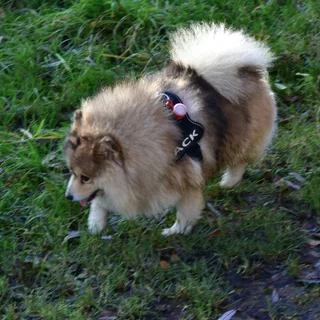
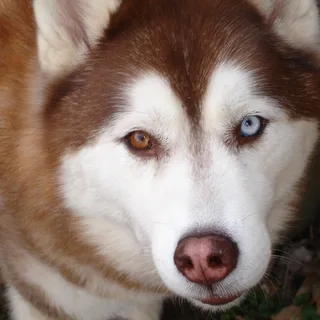
The Alaskan Klee Kai is a small, well-proportioned dog, slightly longer than tall, with an athletic and harmonious silhouette. Its head is wedge-shaped, with a moderate stop, erect triangular ears and oblique eyes preferably almond-shaped. Its well-furnished tail is carried in a supple curl over the back or to the side. Its double coat is dense, with a short, thick undercoat and longer guard hairs. The coat is generally contrasted and symmetrical, often black and white, gray and white or red and white, with a pronounced facial mask reminiscent of Nordic dogs.
Temperament
Temperament and personality
The Alaskan Klee Kai is an affectionate, loyal companion dog that is very attached to its family. It often shows itself to be reserved with strangers and remains very attentive to its environment, which makes it a good alert dog. Curious, playful and intelligent, it likes to take part in household life and enjoys varied activities. Its energetic temperament and sensitivity, however, require a consistent framework and a relationship of trust with its owner.
Living together
Living with children and animals
Very active and enduring despite its small size, the Alaskan Klee Kai needs daily exercise and regular mental stimulation to stay balanced. It does not tolerate boredom and prolonged solitude well, which can encourage excessive barking or destructive behaviors. It can adapt to different lifestyles, but a house with a well-secured garden often suits it better than a very confined environment, especially if it lacks outings and activities.
Training
Training and socialization
The Alaskan Klee Kai is intelligent and likes to learn, but it can also be sensitive and sometimes stubborn. Its training must therefore be firm, consistent and kind, with a clear preference for positive methods based on reward, play and motivation. Early socialization is important to help it better handle strangers, other animals and new situations. Well supported, it makes progress willingly and can succeed in activities such as agility.
Budget
Alaskan Klee Kai price & budget
The Alaskan Klee Kai is a rare breed, which directly influences its purchase price. The cost mainly depends on the quality of the lineage, the breeder's seriousness, the availability of the breed in the country and the health guarantees provided.
View cost breakdownHealth
Health at a glance
The Alaskan Klee Kai is overall a rather robust dog, with good longevity for its size. Like many breeds selected from a small population, it nevertheless has a few hereditary predispositions that deserve particular attention. Serious veterinary follow-up, rigorous breeding and appropriate screenings help to better prevent the problems best known in the breed.
Prevention & watch pointsDiet
Feed it well
The Alaskan Klee Kai needs a good quality diet, sufficiently rich in animal proteins and adapted to its age, its weight and its activity level. Its energetic profile justifies a well-calibrated ration, without excess but with good nutritional intake to support effort and muscle maintenance.
Our feeding adviceDid you know?
Anecdotes and popularity
The name Klee Kai means "small dog" in the Athabaskan dialect. Often described as a miniature version of the Husky, the Alaskan Klee Kai nevertheless differs from it through its development as a companion breed in its own right. Its rarity further contributes to its low profile in Europe. Thanks to its liveliness and its closeness to humans, it is also found in certain emotional support, mediation, or detection activities.